Martin F. Price - Böcker
Visar alla böcker från författaren Martin F. Price. Handla med fri frakt och snabb leverans.
6 produkter
6 produkter
1 320 kr
Skickas inom 7-10 vardagar
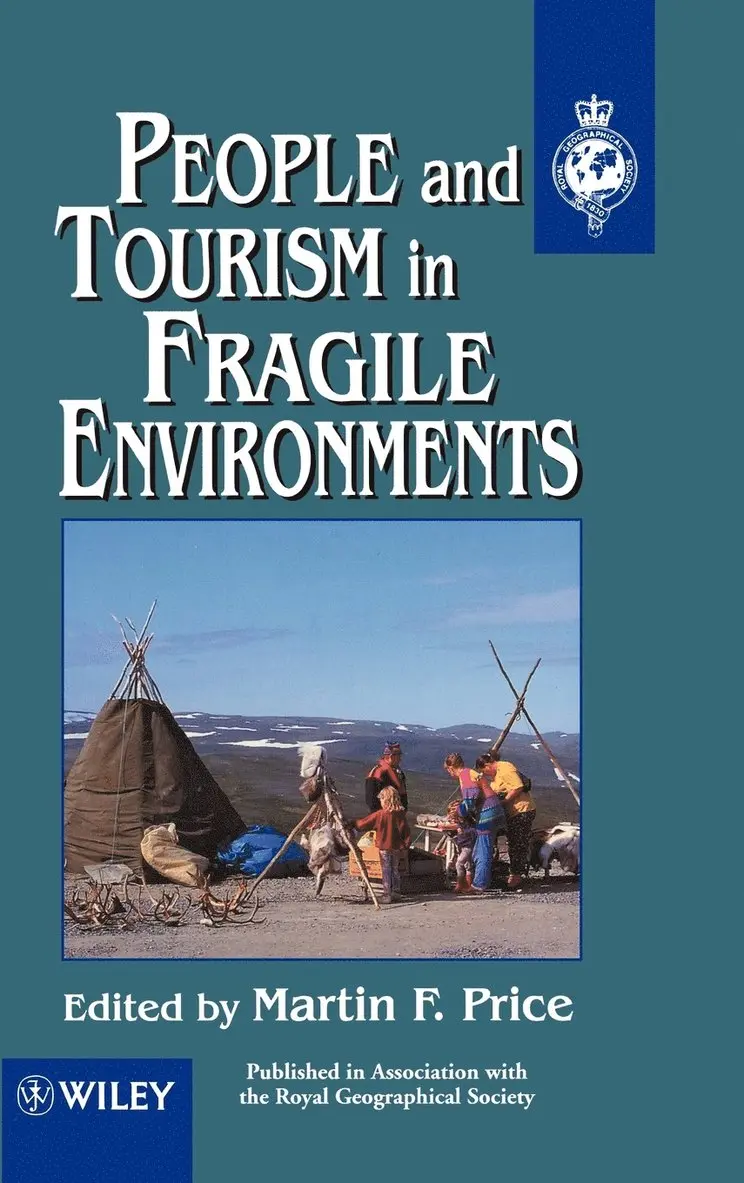
Mountains, deserts, savannahs and the polar regions are fragile both in their ecologies and the cultures of their inhabitants. These fragile environments are characterised by a marked seasonality, and many human activities are limited to clearly defined times of the year. Environmental impacts arise not only from traditional economic activities, but also from tourism which has recently grown rapidly in many of these environments around the world. This trend is welcomed by the tourism industry but viewed with apprehension by many organisations concerned with protecting the human and natural systems of fragile environments. While tourism can provide new sources of revenue and help stem depopulation, it can also destabilise communities, making them dependent on external sources of money and endangering long-established traditions and ways of life. People and Tourism in Fragile Environments discusses many of these delicate interactions by presenting detailed case studies from five continents. The contributors write from a wide and well-balanced range of perspectives, including anthropology, geography, recreation, national park management, environmental consulting and the tourism industry. The common theme is clear: that tourism must always be seen in the long-term context of the communities with which it interacts. This book is an essential contribution to the literature of tourism and sustainable development and will be widely read by students of tourism, travel and tourism professionals, and anyone involved in related fields of sustainable development and fragile environments.
753 kr
Skickas inom 7-10 vardagar
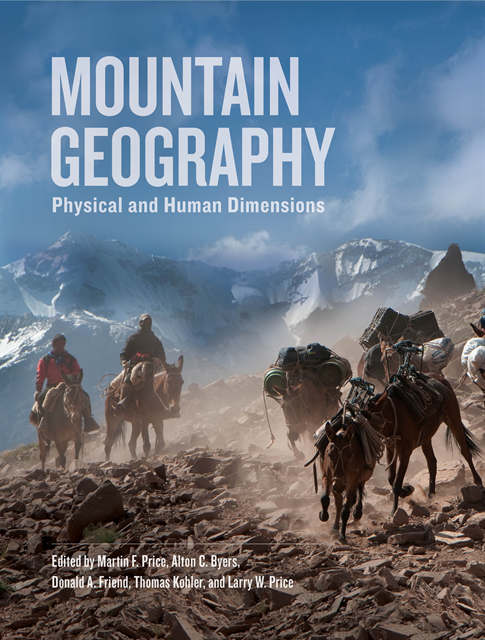
Mountains cover a quarter of the Earth's land surface and a quarter of the global population lives in or adjacent to these areas. The global importance of mountains is recognized particularly because they provide critical resources, such as water, food and wood; contain high levels of biological and cultural diversity; and are often places for tourism and recreation and/or of sacred significance. This major revision of Larry Price's book Mountains and Man (1981) is both timely and highly appropriate. The past three decades have been a period of remarkable progress in our understanding of mountains from an academic point of view. Of even greater importance is that society at large now realizes that mountains and the people who reside in them are not isolated from the mainstream of world affairs, but are vital if we are to achieve an environmentally sustainable future. Mountain Geography is a comprehensive resource that gives readers an in-depth understanding of the geographical processes occurring in the world's mountains and the overall impact of these regions on culture and society as a whole.The volume begins with an introduction to how mountains are defined, followed by a comprehensive treatment of their physical geography: origins, climatology, snow and ice, landforms and geomorphic processes, soils, vegetation, and wildlife. The concluding chapters provide an introduction to the human geography of mountains: attitudes toward mountains, people living in mountain regions and their livelihoods and interactions within dynamic environments, the diverse types of mountain agriculture, and the challenges of sustainable mountain development.
668 kr
Skickas inom 10-15 vardagar
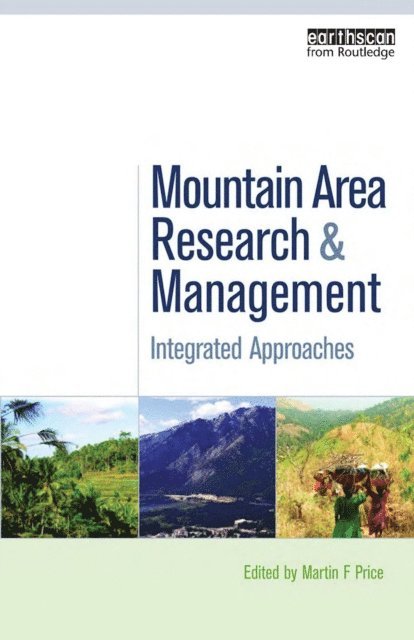
This book brings together scientists and practitioners from five continents to present their experience in undertaking activities that contribute to our understanding and informed management of mountain areas. In particular, they address the challenges of working in interdisciplinary teams and of effectively involving stakeholders. The result is a powerful book that integrates research from different disciplines in the natural and social sciences, and in some cases indigenous knowledge, to address the question of how knowledge is gained about mountain areas and how can it be integrated and used in effective management.A comprehensive introduction covers the challenges in mountain area research and management, and the need for integrated approaches. This is followed by chapters that look at key areas of mountain research and management over the past 25 years, covering inter-and trans-disciplinary research, subsistence cultures and sustainable development, innovations in watershed management and biodiversity conservation. Subsequent chapters cover key areas of research and management on five continents with a focus on comparison of common challenges and solutions across regions. The concluding chapter brings these experiences together.Published with Parks Canada
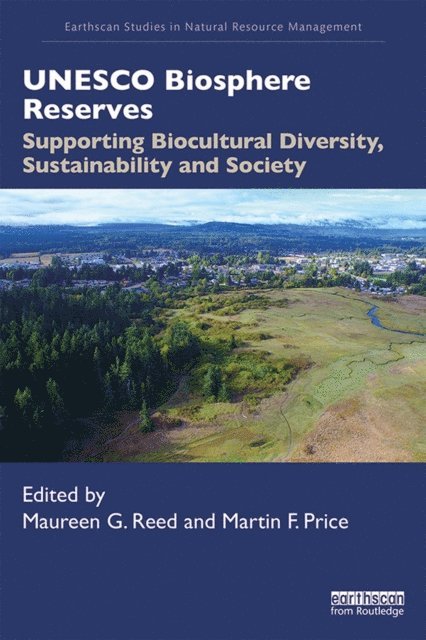
UNESCO Biosphere Reserves
Supporting Biocultural Diversity, Sustainability and Society
Inbunden, Engelska, 2019
2 100 kr
Skickas inom 10-15 vardagar
UNESCO Biosphere Reserves (BRs) are designated areas in geographical regions of global socio-ecological significance. This definitive book shows their global relevance and contribution to environmental protection, biocultural diversity and education.Initiated in the 1970s as part of UNESCO’s Man and Biosphere (MAB) Programme, BRs share a set of common objectives, to support and demonstrate a balance between biodiversity conservation, sustainable development and research. The world’s 701 BRs form an international, intergovernmental network to support the aims of sustainability science, but this purpose has not always been widely understood. In three distinct sections, the book starts by outlining the origins of BRs and the MAB Programme, showing how they contribute to advancing sustainable development. The second section documents the evolution of BRs around the world, including case studies from each of the five UNESCO world regions. Each case study demonstrates how conservation, sustainable development and the role of scientific research have been interpreted locally. The book concludes by discussing thematic lessons to help understand the challenges and opportunities associated with sustainability science, providing a unique platform from which lessons can be learned. This includes how concepts become actions on the ground and how ideas can be taken up across sites at differing scales.This book will be of great interest to professionals engaged in conservation and sustainable development, NGOs, policy-makers and advanced students in environmental management, ecology, sustainability science, environmental anthropology and geography.
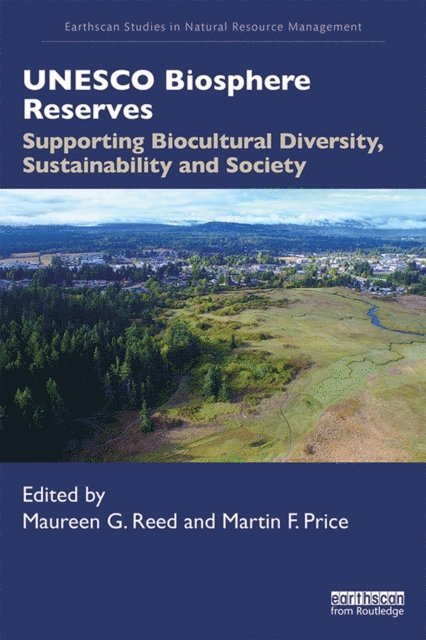
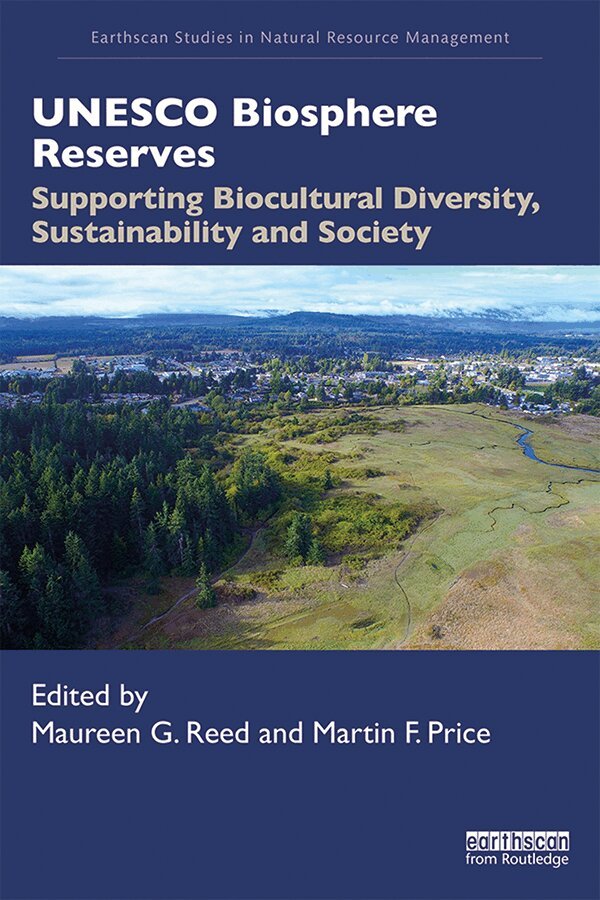
UNESCO Biosphere Reserves
Supporting Biocultural Diversity, Sustainability and Society
Häftad, Engelska, 2019
722 kr
Skickas inom 10-15 vardagar
UNESCO Biosphere Reserves (BRs) are designated areas in geographical regions of global socio-ecological significance. This definitive book shows their global relevance and contribution to environmental protection, biocultural diversity and education.Initiated in the 1970s as part of UNESCO’s Man and Biosphere (MAB) Programme, BRs share a set of common objectives, to support and demonstrate a balance between biodiversity conservation, sustainable development and research. The world’s 701 BRs form an international, intergovernmental network to support the aims of sustainability science, but this purpose has not always been widely understood. In three distinct sections, the book starts by outlining the origins of BRs and the MAB Programme, showing how they contribute to advancing sustainable development. The second section documents the evolution of BRs around the world, including case studies from each of the five UNESCO world regions. Each case study demonstrates how conservation, sustainable development and the role of scientific research have been interpreted locally. The book concludes by discussing thematic lessons to help understand the challenges and opportunities associated with sustainability science, providing a unique platform from which lessons can be learned. This includes how concepts become actions on the ground and how ideas can be taken up across sites at differing scales.This book will be of great interest to professionals engaged in conservation and sustainable development, NGOs, policy-makers and advanced students in environmental management, ecology, sustainability science, environmental anthropology and geography.
2 090 kr
Skickas inom 7-10 vardagar
This book brings together scientists and practitioners from five continents to present their experience in undertaking activities that contribute to our understanding and informed management of mountain areas. In particular, they address the challenges of working in interdisciplinary teams and of effectively involving stakeholders. The result is a powerful book that integrates research from different disciplines in the natural and social sciences, and in some cases indigenous knowledge, to address the question of how knowledge is gained about mountain areas and how can it be integrated and used in effective management.A comprehensive introduction covers the challenges in mountain area research and management, and the need for integrated approaches. This is followed by chapters that look at key areas of mountain research and management over the past 25 years, covering inter-and trans-disciplinary research, subsistence cultures and sustainable development, innovations in watershed management and biodiversity conservation. Subsequent chapters cover key areas of research and management on five continents with a focus on comparison of common challenges and solutions across regions. The concluding chapter brings these experiences together.Published with Parks Canada