Martin Fichman – författare
Visar alla böcker från författaren Martin Fichman. Handla med fri frakt och snabb leverans.
2 produkter
2 produkter
537 kr
Skickas inom 5-8 vardagar
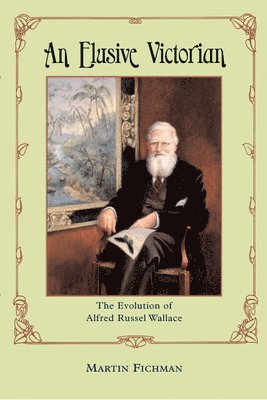
Codiscoverer of the theory of evolution by natural selection, Alfred Russel Wallace should be recognized as one of the titans of Victorian science. Instead he has long been relegated to a secondary place behind Darwin. Worse, many scholars have overlooked or even mocked his significant contributions to other aspects of Victorian culture. With An Elusive Victorian, Martin Fichman provides the first comprehensive analytical study of Wallace's life and controversial intellectual career.Fichman examines not only Wallace's scientific work as an evolutionary theorist and field naturalist but also his philosophical concerns, his involvement with theism, and his commitment to land nationalization and other sociopolitical reforms such as women's rights. As Fichman shows, Wallace worked throughout his life to integrate these humanistic and scientific interests. His goal: the development of an evolutionary cosmology, a unified vision of humanity's place in nature and society that he hoped would ensure the dignity of all individuals.To reveal the many aspects of this compelling figure, Fichman not only reexamines Wallace's published works, but also probes the contents of his lesser known writings, unpublished correspondence, and copious annotations in books from his personal library. Rather than consider Wallace's science as distinct from his sociopolitical commitments, An Elusive Victorian assumes a mutually beneficial relationship between the two, one which shaped Wallace into one of the most memorable characters of his time. Fully situating Wallace's wide-ranging work in its historical and cultural context, Fichman's innovative and insightful account will interest historians of science, religion, and Victorian culture as well as biologists.
304 kr
Skickas inom 10-15 vardagar
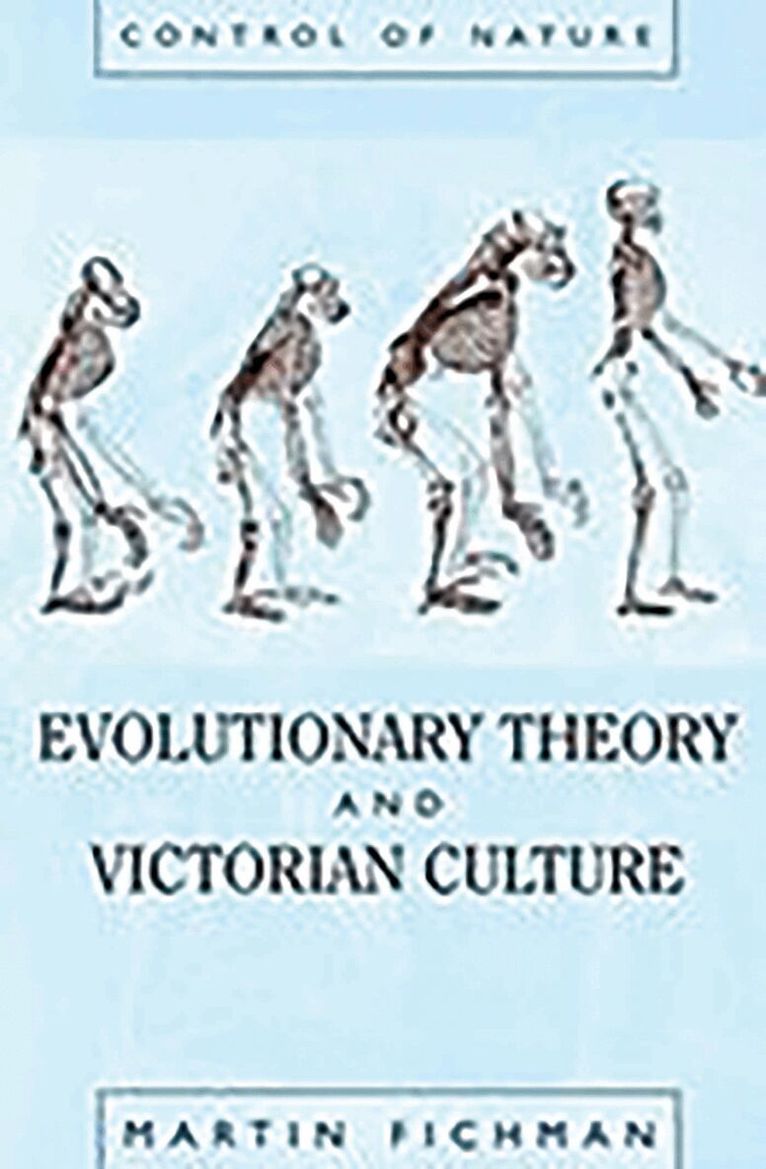
This absorbing study of the Victorian controversies over the cultural meaning of evolution broadens our perspective by discussing the roles played by prominent individuals besides Charles Darwin, notably Alfred Russel Wallace, Herbert Spencer, and Thomas Henry Huxley. Fichman traces the emergence of science as a definitive political and cultural force in this critical period, showing that evolutionary biology was at the epicenter of these profound sociocultural transformations. His astute analysis of the often vehement Victorian debates on the political, religious, racial, and ethical implications of evolutionary thought reveals how science came to be inseparable from the broader culture. He also relates 19th-century controversies to cultural debates in the 20th century, in particular the notorious Scopes trial (1925) and the later, and ongoing, debate about "scientific creationism." For all those fascinated, and perplexed, by the impact of evolutionary theory on our worldview, and the increasingly close ties between science and Western culture, Fichman's historical perspective lends much clarity and context to current controversies.