Martin Garbus – författare
Visar alla böcker från författaren Martin Garbus. Handla med fri frakt och snabb leverans.
7 produkter
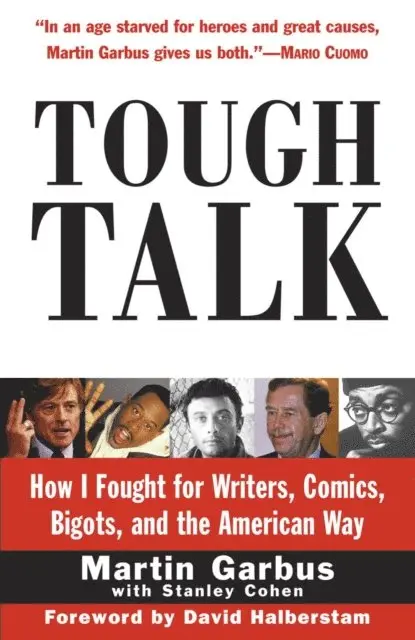
Tough Talk
How I Fought for Writers, Comics, Bigots, and the American Way
E-bok, 2010
95 kr
Lägg i varukorg
The boisterous freedom promised by the First Amendment is both the heart of American experiment and the fissure along which it divides itself. Those who would fight freedom''s enemies, from political correctness to corporate intimidation to outright censorship, face powerful adversaries. But they …
Tough Talk: How I Fought for Writers, Comics, Bigots, and the American Way
Häftad, 1998
283 kr
Lägg i varukorg
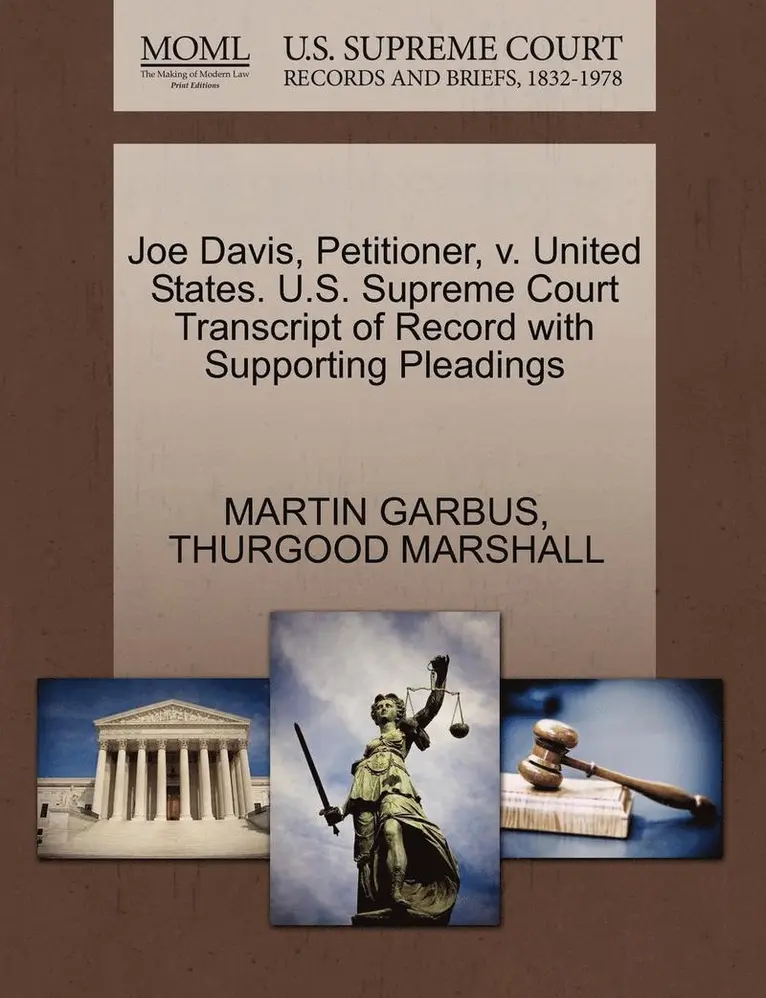
Joe Davis, Petitioner, V. United States. U.S. Supreme Court Transcript of Record with Supporting Pleadings
Av Martin Garbus, Thurgood Marshall
Häftad, 2011
276 kr
Lägg i varukorg
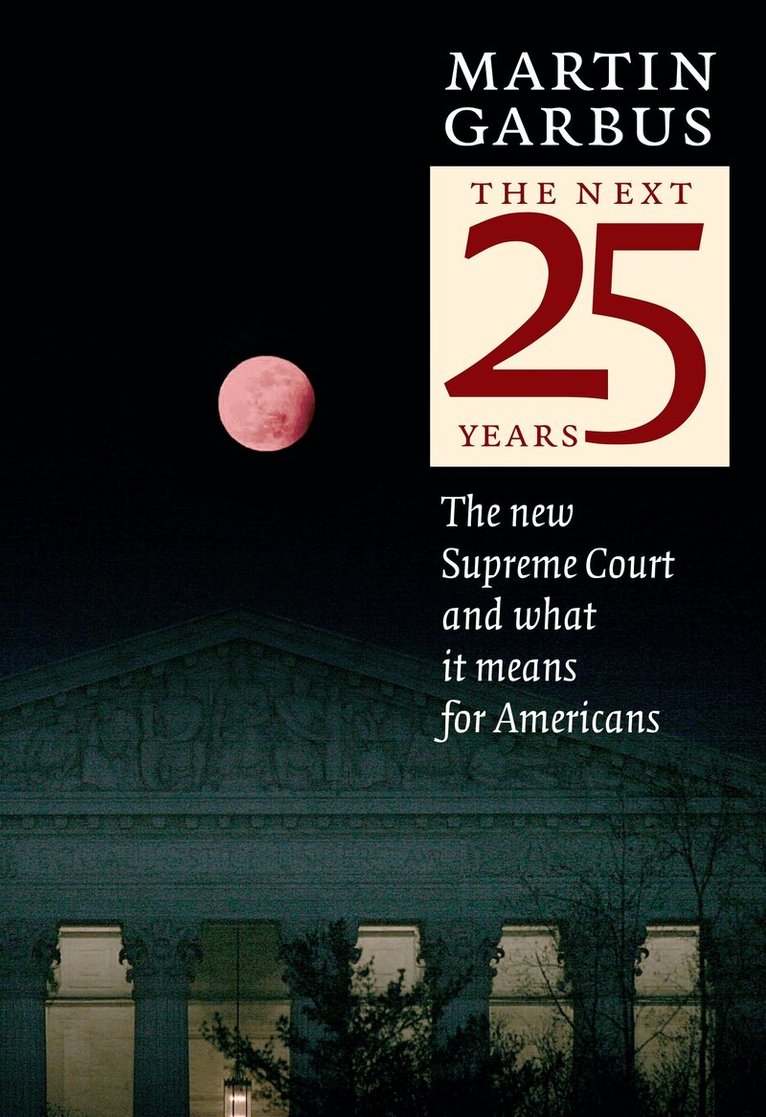
Next Twenty-Five Years
The New Supreme Court and What It Means for America
Häftad, 2007
175 kr
Lägg i varukorg
Renowned First Amendment lawyer Martin Garbus presciently examines the impact of the new Supreme Court on the future of the United States. Drawing upon extensive knowledge of the American Constitutional law and legal precedents, Garbus, one of America's most astute legal historians, defrocks the …
Next 25 Years
The New Supreme Court and What It Means for Americans
Häftad, 2008
135 kr
Lägg i varukorg
Renowned First Amendment lawyer Martin Garbus examines what will be the impact of the new Supreme Court on the future of the US republic. Drawing on extensive knowledge of Constitutional law and legal procedure, Garbus defrocks the executive branch's grip over the judiciary as an extension of its …
Torturer in the Mirror
The Question of Lawyers' Responsibility in Torture Cases
Häftad, 2010
82 kr
Lägg i varukorg
Before the US invasion of Iraq, before the American public saw the infamous photos from Abu Ghraib, the CIA went to the White House with a question: What, according to the Constitution, was the line separating interrogation from torture—and could that line be moved? The White House lawyers' …
Next 25 Years
The New Supreme Court and What it Means for Americans
E-bok, 2011
163 kr
Lägg i varukorg
In The Next 25 Years, renowned First Amendment lawyer Martin Garbus examines what will be the impact of the new Supreme Court on the future of our republic. Drawing on extensive knowledge of Constitutional law and legal precedents, Garbus, one of our most astute legal historians, defrocks the …