Martin Lindstrom – författare
Visar alla böcker från författaren Martin Lindstrom. Handla med fri frakt och snabb leverans.
7 produkter
7 produkter
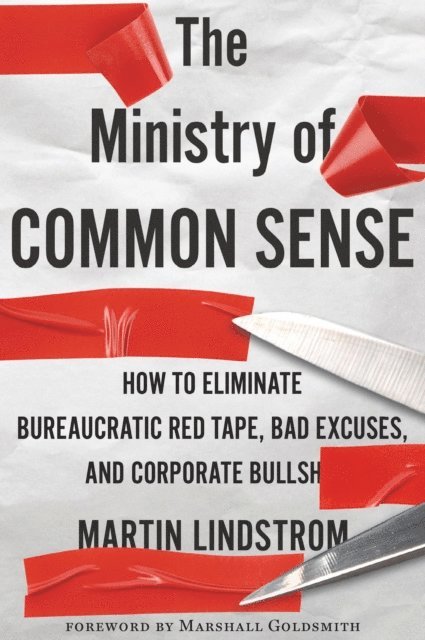
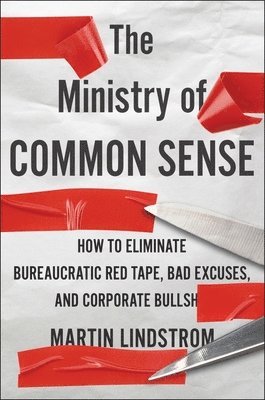
The Ministry Of Common Sense
How to Eliminate Bureaucratic Red Tape, Bad Excuses, and Corporate BS
Inbunden, Engelska, 2021
314 kr
Skickas
189 kr
Skickas inom 3-6 vardagar
400 kr
Skickas inom 7-10 vardagar
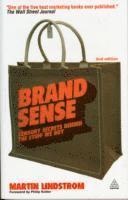
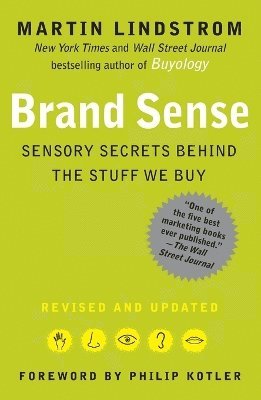
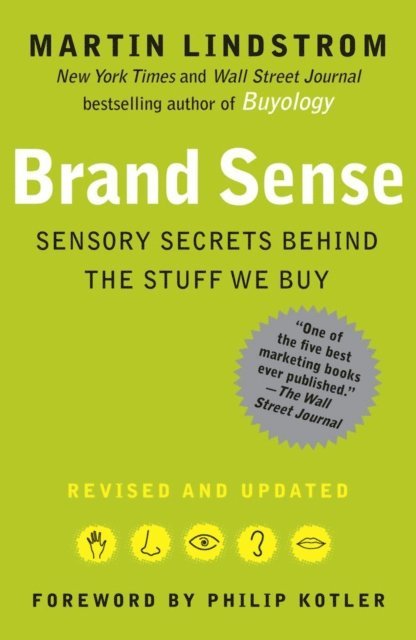
That gratifying new car smell is actually a manufactured "new car" aroma. The sound of Kellogg's cornflakes crunching in our mouths is created in sound labs. Singapore Airlines has patented the smell in its cabins. Branding has reached a new frontier. In the future brands will have to appeal to the neglected senses: touch, taste, and smell.In this fully updated new edition of Brand Sense, Martin Lindstrom shows how it can be done. Drawing on the most extensive worldwide study ever conducted of the sensory perceptions of consumers, he shows how a two-sense product can become a five-sense phenomenon. With a foreword from Philip Kotler, this groundbreaking book provides innovative branding tools for evaluating where a brand is on the sensory scale, analyzing its sensory potential and giving it a clear pathway to optimize its sensory appeal.Companies like Cadillac, Apple, Mercedes-Benz, Nokia, Louis Vuitton, Nestle and Disney have all recently adopted a sensory approach, and have seen their brands sizzle under this new direction. Anyone who wants a competitive edge can't afford to neglect this book. It's guaranteed to optimize the value of any marketer's budget in the most visionary way.
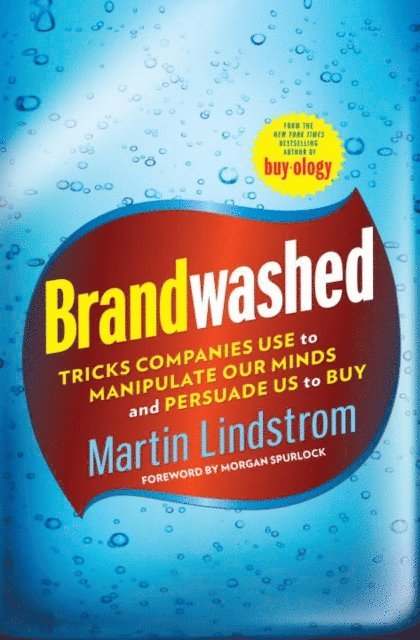
Brandwashed
Tricks Companies Use to Manipulate Our Minds and Persuade Us to Buy
Häftad, Engelska, 2012
310 kr
Skickas inom 3-6 vardagar
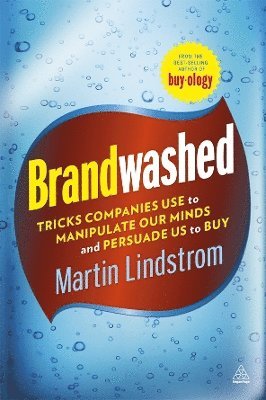
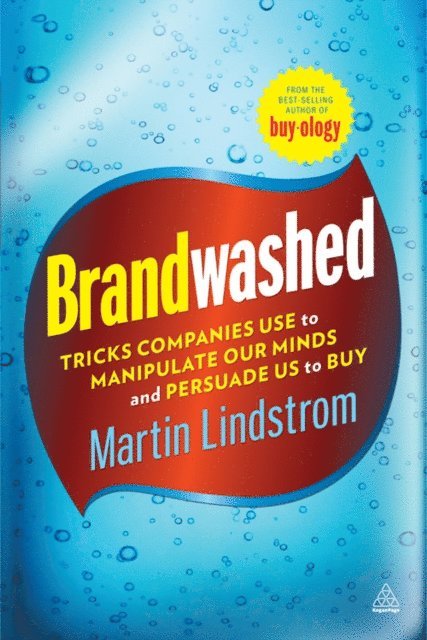
Marketing visionary Martin Lindstrom has been on the front line of the branding for over twenty years. In Brandwashed, he turns the spotlight on his own industry, drawing on all he has witnessed behind closed doors, exposing for the first time the full extent of the psychological tricks and traps that companies devise to win our hard-earned money. Lindstrom reveals eye opening details such as how advertisers and marketers target children at an alarmingly young age (starting when they are still in the womb), what heterosexual men really think about when they see sexually provocative advertising, how marketers and retailers stoke the flames of public panic and capitalize on paranoia over diseases, extreme weather events, and food contamination scares. It also presents the first ever evidence to prove how addicted we are to our smartphones, and how certain companies (like the maker of a very popular lip balm), purposely adjust their formulas in order to make their products chemically addictive, and much, much more.Brandwashed is a shocking insider's look at how today's global giants conspire to obscure the truth and manipulate our minds, all in service of persuading us to buy.
258 kr
Skickas inom 3-6 vardagar
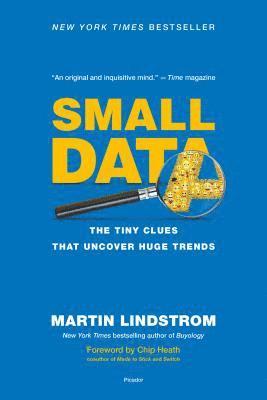
Martin Lindstrom, a modern-day Sherlock Holmes, harnesses the power of "small data" in his quest to discover the next big thing
231 kr
Skickas inom 3-6 vardagar
131 kr
Skickas
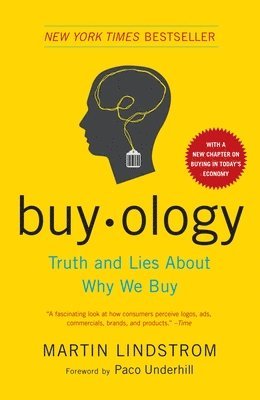
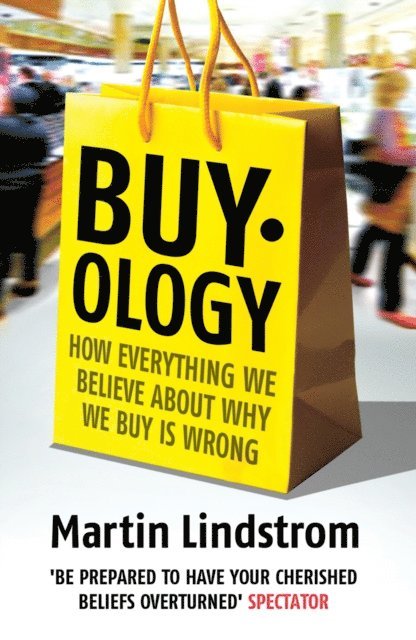
Most anti-smoking campaigns inadvertently encourage people to smoke. The scent of melons helps sell electronic products. Subliminal advertising may have been banned, but it's being used all the time. Product placement in films rarely works. Many multi-million pound advertising campaigns are a complete waste of time. These are just a few of the findings of Martin Lindstrom's groundbreaking study of what really makes consumers tick. Convinced that there is a gulf between what we believe influences us and what actually does, he set up a highly ambitious research project that employed the very latest in brain-scanning technology and called on the services of some 2000 volunteers. Buyology shares the fruits of this research, revealing for the first time what actually goes on inside our heads when we see an advertisement, hear a marketing slogan, taste two rival brands of drink, or watch a programme sponsored by a major company. The conclusions are both startling and groundbreaking, showing the extent to which we deceive ourselves when we think we are making considered decisions, and revealing factors as varied as childhood memories and religious belief that come together to influence our decisions and shape our tastes.