Martin Plaut - Böcker
Visar alla böcker från författaren Martin Plaut. Handla med fri frakt och snabb leverans.
13 produkter
13 produkter
886 kr
Skickas inom 10-15 vardagar
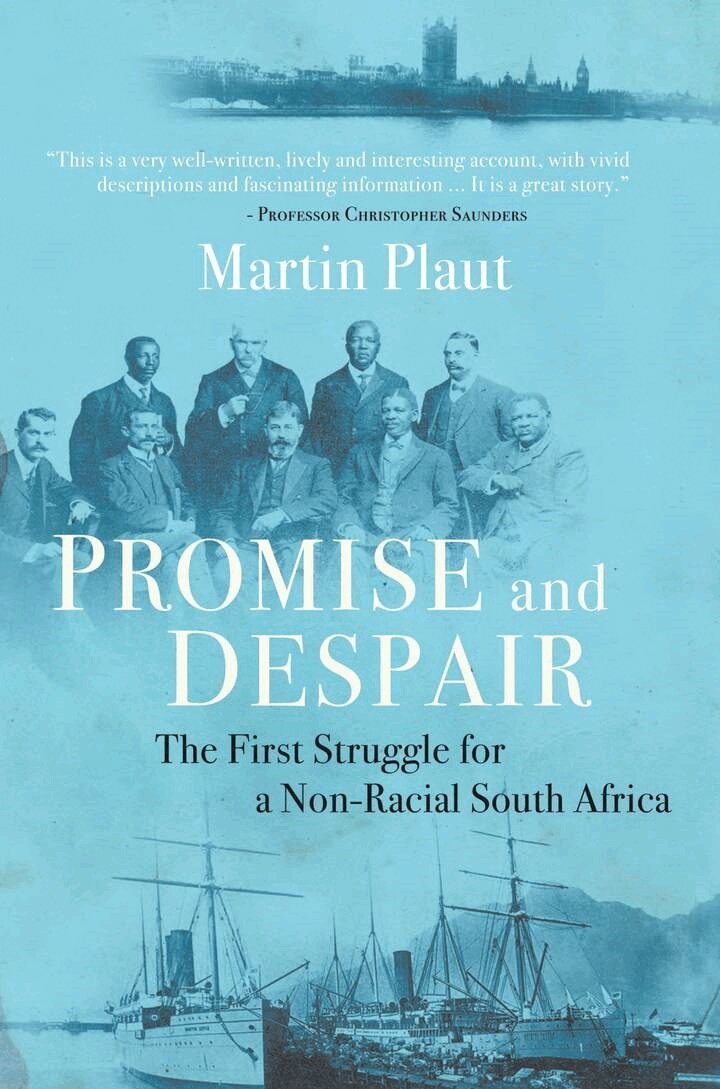
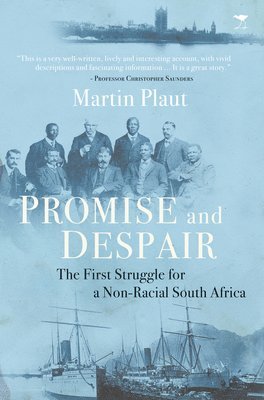
The struggle for freedom in South Africa goes back a long way. In 1909, a remarkable interracial delegation of South Africans traveled to London to lobby for a non-racialized constitution and franchise for all. Among their allies was Mahatma Gandhi, who later encapsulated lessons from the experience in his most important book, Hind Swaraj. Though the mission failed, the London debates were critical to the formation of the African National Congress in 1912.With impeccable storytelling and rich character depictions, Martin Plaut describes the early quest for black franchise and the seeds it planted for a new South Africa. While most people believe that black South Africans obtained the vote in 1994, men of all races voted in the Cape Colony for almost a century, sometimes deciding election outcomes. The London mission was part of a long history of nonwhite political agency.Taking as its centerpiece the 1909 delegation, Promise and Despair covers the twelve years between the South African War and the First World War, during which the major forces that would shape twentieth-century South Africa were forged. Plaut reveals new details of the close collaboration between Gandhi and the ANC leadership during the Indian-South African community's struggle for their rights, the influence of the American South on South African racial practices, and the workings of the Imperial system.
350 kr
Skickas inom 10-15 vardagar
The struggle for freedom in South Africa goes back a long way. In 1909, a remarkable interracial delegation of South Africans traveled to London to lobby for a non-racialized constitution and franchise for all. Among their allies was Mahatma Gandhi, who later encapsulated lessons from the experience in his most important book, Hind Swaraj. Though the mission failed, the London debates were critical to the formation of the African National Congress in 1912.With impeccable storytelling and rich character depictions, Martin Plaut describes the early quest for black franchise and the seeds it planted for a new South Africa. While most people believe that black South Africans obtained the vote in 1994, men of all races voted in the Cape Colony for almost a century, sometimes deciding election outcomes. The London mission was part of a long history of nonwhite political agency.Taking as its centerpiece the 1909 delegation, Promise and Despair covers the twelve years between the South African War and the First World War, during which the major forces that would shape twentieth-century South Africa were forged. Plaut reveals new details of the close collaboration between Gandhi and the ANC leadership during the Indian-South African community's struggle for their rights, the influence of the American South on South African racial practices, and the workings of the Imperial system.
217 kr
Skickas inom 7-10 vardagar
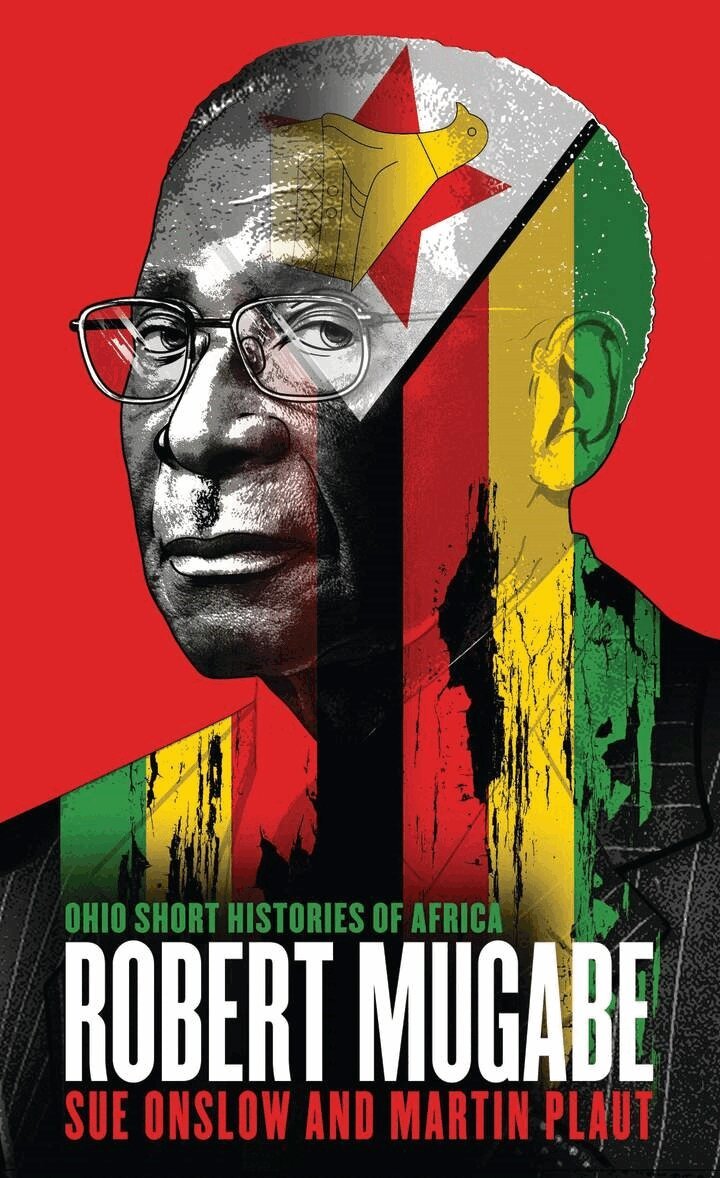
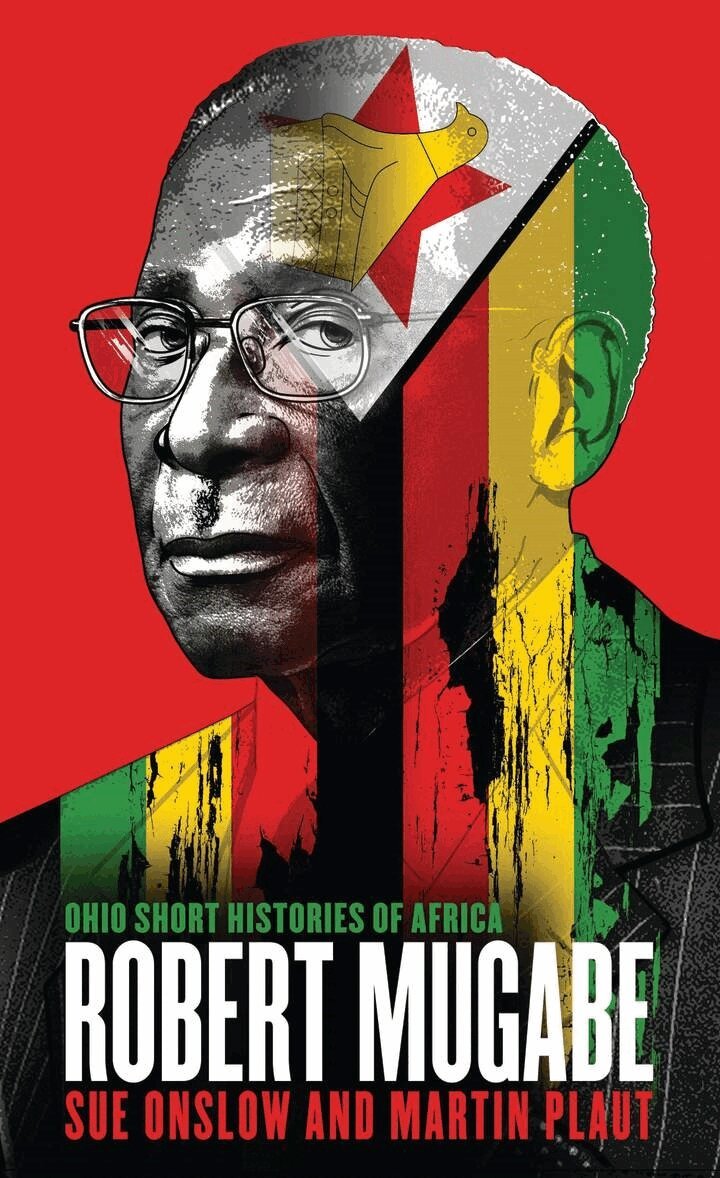
Zimbabwe's President Robert Mugabe sharply divides opinion and embodies the contradictions of his country's history and political culture. As a symbol of African liberation and a stalwart opponent of white rule, he was respected and revered by many. This heroic status contrasted sharply, in the eyes of his rivals and victims, with repeated cycles of gross human rights violations. Mugabe presided over the destruction of a vibrant society, capital flight, and mass emigration precipitated by the policies of his government, resulting in his demonic image in Western media.This timely biography addresses the coup, led by some of Mugabe's closest associates, that forced his resignation after thirty-seven years in power. Sue Onslow and Martin Plaut explain Mugabe's formative experiences as a child and young man; his role as an admired Afro-nationalist leader in the struggle against white settler rule; and his evolution into a political manipulator and survivalist. They also address the emergence of political opposition to his leadership and the uneasy period of coalition government. Ultimately, they reveal the complexity of the man who stamped his personality on Zimbabwe's first four decades of independence.
African Leaders of the Twentieth Century, Volume 2
Cabral, Machel, Mugabe, Sirleaf
Häftad, Engelska, 2022
435 kr
Skickas
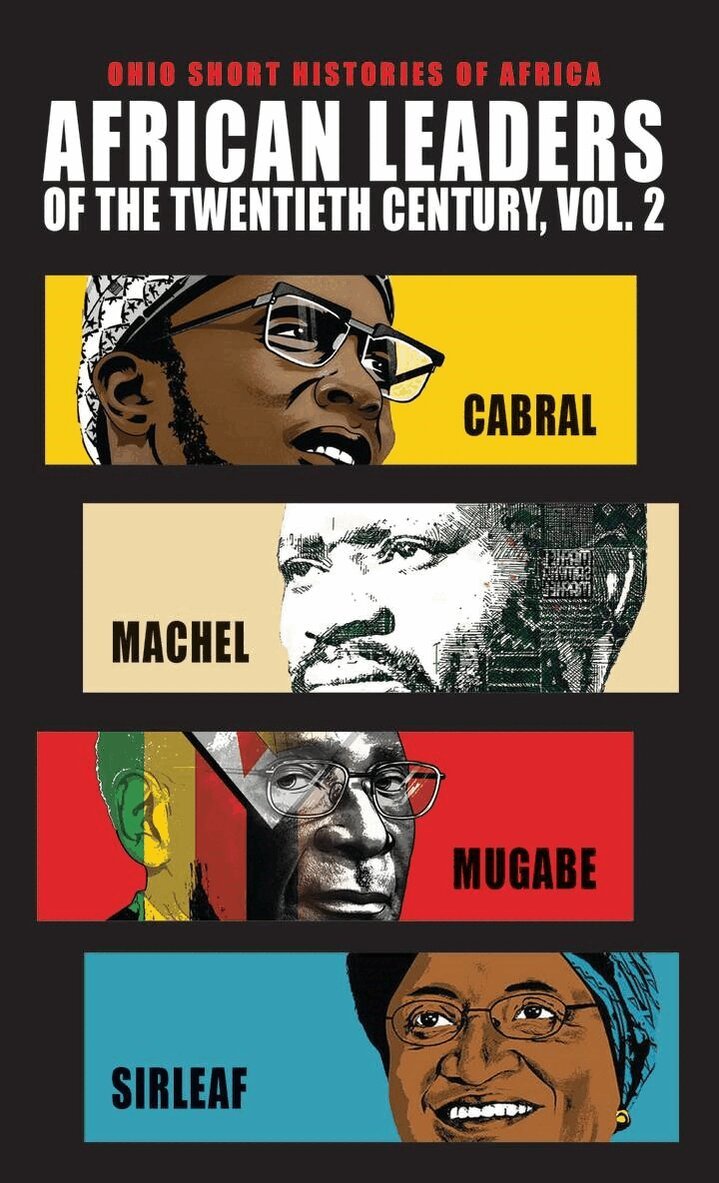
This omnibus edition brings together concise and up-to-date biographies of Amílcar Cabral, Samora Machel, Robert Mugabe, and Ellen Johnson Sirleaf. African Leaders of the Twentieth Century, Volume 2 complements courses in history and political science and is an informative collection for general readers. Amílcar Cabral: A Nationalist and Pan-Africanist Revolutionary, by Peter Karibe MendyAmílcar Cabral's charismatic and visionary leadership, his pan-Africanist solidarity and internationalist commitment to "every just cause in the world," remain relevant to contemporary struggles for emancipation and self-determination. This concise biography is an ideal introduction to his life and legacy.Mozambique's Samora Machel: A Life Cut Short, by Allen F. Isaacman and Barbara S. IsaacmanFrom his anti-colonial military leadership to the presidency of independent Mozambique, Samora Machel held a reputation as a revolutionary hero to the oppressed. Although killed in a 1987 plane crash, for many Mozambicans his memory lives on as a beacon of hope for the future. Robert Mugabe, by Sue Onslow and Martin PlautFor some, Zimbabwe's Robert Mugabe was a liberation hero who confronted white rule and oversaw the radical redistribution of land. For others, he was a murderous dictator who drove his country to poverty. This concise biography reveals the complexity of the man who led Zimbabwe for its first decades of independence. Ellen Johnson Sirleaf, by Pamela ScullyNobel Peace Prize–winner and two-time Liberian president Ellen Johnson Sirleaf speaks to many of the key themes of the twenty-first century. Among these are the growing power of women in the arenas of international politics and human rights; the ravaging civil wars of the post–Cold War era in which sexual violence is used as a weapon; and the challenges of transitional justice in building postconflict societies.
174 kr
Tillfälligt slut
Most people believe that black South Africans obtained the vote for the first time in 1994. In fact, for almost a century suitably qualified black people had enjoyed the vote in the Cape and Natal, and in certain constituencies had decided the outcome of parliamentary elections. Little wonder, then, that when the first South Africa came about in 1910, black people were keen to see the principle of non-racialism entrenched in the constitution that was drawn up for the new Union. This is the story of that struggle. Its centrepiece is a lively account of the delegation that travelled to London in mid-1909 to lobby for a non-racial constitution.
217 kr
Skickas inom 11-20 vardagar
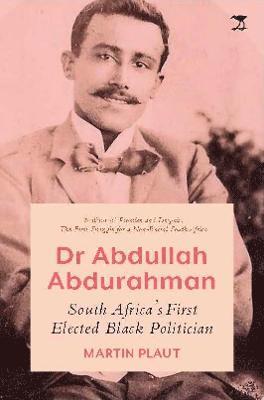
Dr Abdullah Abdurahman (1872–1940) was the first person of colour ever to be elected to political office in South Africa. He represented some of the poorest people in Cape Town on the City Council and then the Provincial Council. First winning a seat in 1904, he was to serve the city for 36 years. Beloved by the people of District Six, for whom he fought so hard, Dr Abdurahman is a forgotten giant of the fight for justice. The grandson of slaves, he trained as a doctor in Scotland, returning to the Cape with a Scottish wife. Nellie and he were powerful partners – and their daughter, Cissie Gool, was among the most important political figures of her generation. Dr Abdurahman led the African Political Organisation – the leading coloured party of this period. He was a friend and ally of key political figures of his time: Sol Plaatje, Walter Rubusana, Mahatma Gandhi and W.P. Schreiner. He was a leading advocate of black unity, working tirelessly to resist the onslaught of white racism. The doctor was among the most internationally admired South Africans of his generation, arguing his case on delegations to London and India. He led South African Indians to Delhi, confronted the Viceroy and made a memorable address to the Indian National Congress. At his death in 1940 Cape Town ground to a halt as the entire community paid their respects. Drawing on previously undiscovered material, this biography lifts Dr Abdurahman from the obscurity into which he has so unjustly sunk – explaining his life against the background of the difficult times in which he lived.
370 kr
Skickas inom 7-10 vardagar
262 kr
Tillfälligt slut
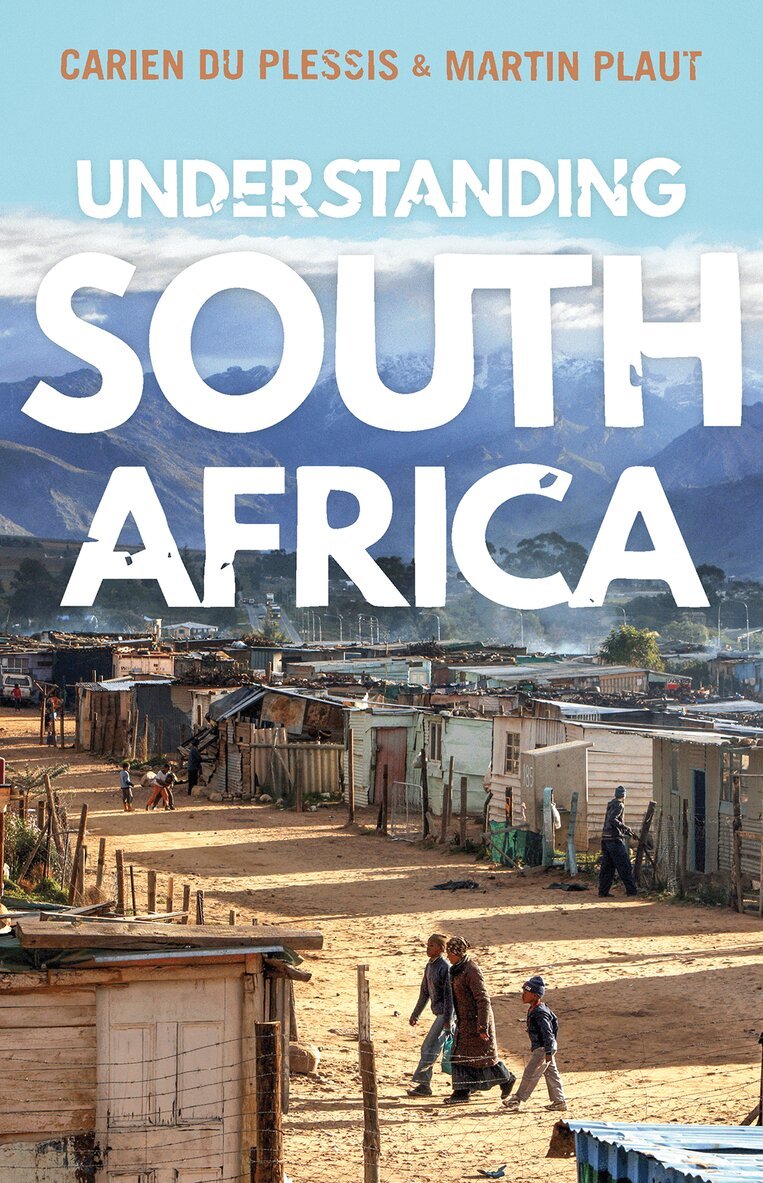
When Nelson Mandela emerged from decades in jail to preach reconciliation, South Africans truly appeared a people reborn as the Rainbow Nation. Yet, a quarter of a century later, the country sank into bitter recriminations and rampant corruption under Jacob Zuma. Why did this happen, and how was hope betrayed?President Cyril Ramaphosa, hoping to heal these wounds, was re-elected in May 2019 with the ANC hoping to claw back support lost to the opposition in the Zuma era. This book analyses this election, shedding light on voters’ choices.With chapters on all the major issues at stake—from education to land redistribution—'Understanding South Africa' offers insights into Africa’s largest and most diversified economy, closely tied to its neighbours’ fortunes.
331 kr
Skickas
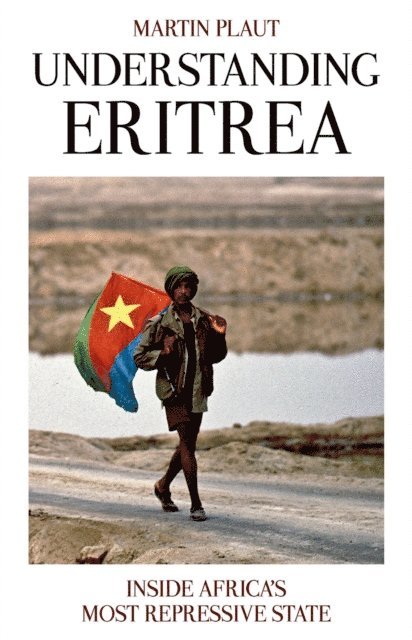
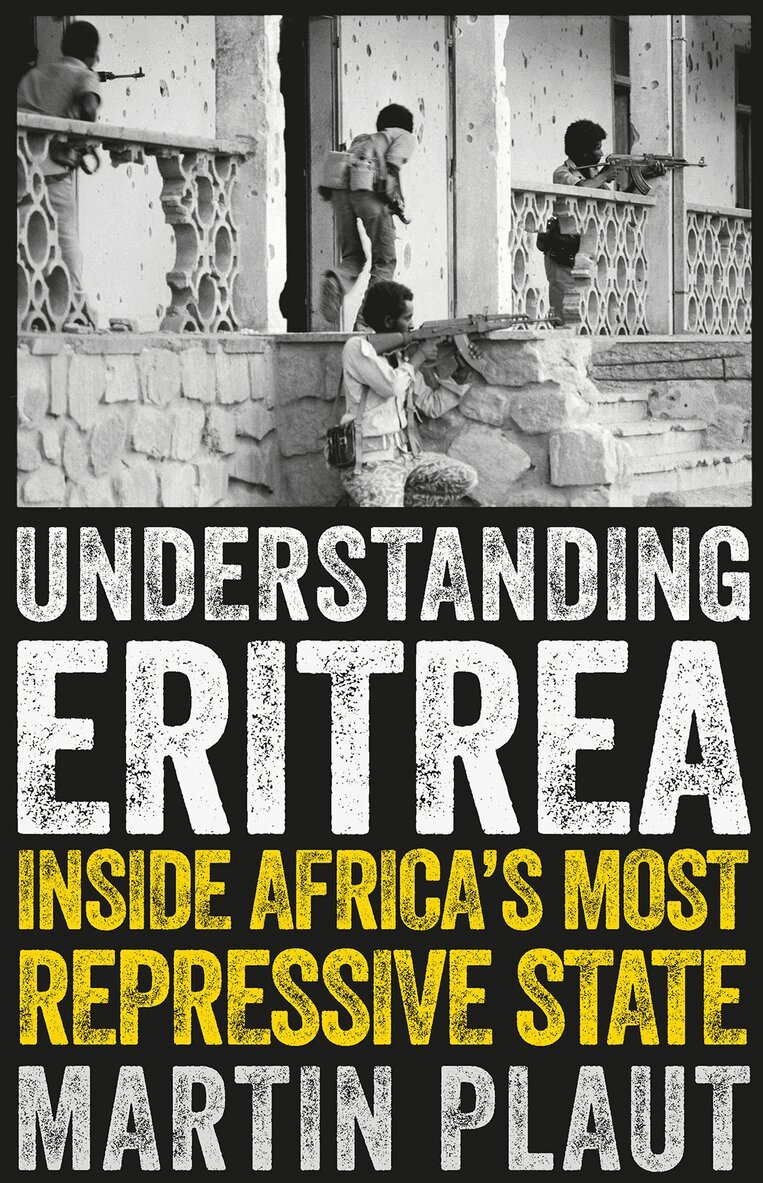
The most secretive, repressive state in Africa is haemorrhaging its citizens. In some months as many Eritreans as Syrians arrive on European shores, yet the country is not convulsed by civil war. Young men and women risk all to escape. Many do not survive - their bones littering the Sahara; their bodies floating in the Mediterranean. Still they flee, to avoid permanent military service and a future without hope. As the United Nations reported: "Thousands of conscripts are subjected to forced labour that effectively abuses, exploits and enslaves them for years." Eritreans fought for their freedom from Ethiopia for thirty years, only to have their revered leader turn on his own people. Independent since 1993, the country has no constitution and no parliament. No budget has ever been published. Elections have never been held and opponents languish in jail. International organisations find it next to impossible to work in the country. Nor is it just a domestic issue. By supporting armed insurrection in neighbouring states it has destabilised the Horn of Africa. Eritrea is involved in the Yemeni civil war, while the regime backs rebel movements in Somalia, Ethiopia and Djibouti.This book tells the untold story of how this tiny nation became a world pariah.
326 kr
Skickas inom 7-10 vardagar
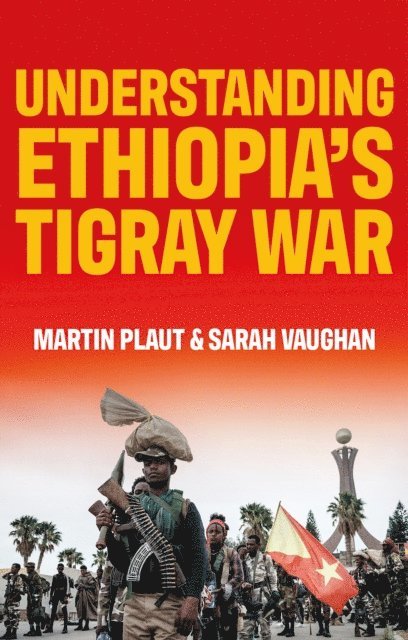
The war in Ethiopia's northern region of Tigray began in November 2020. It inflicted more casualties than any other contemporary conflict in the world. It has also been among the least understood.The fighting and accompanying blockade led to an estimated 600,000 deaths - more than the number who died in the 1984-5 famine. International journalists were banned as the region was sealed off from the outside world by Ethiopian and Eritrean governments prosecuting a strategy designed to crush Tigray at almost any cost.Hatred of Tigrayans was stoked by senior advisers to Ethiopia's Prime Minister, Abiy Ahmed: they have called Tigrayans 'weeds' who must be uprooted, their place in history extinguished. Their language was reminiscent of that which preceded the genocide in Rwanda.The war was also orchestrated by Eritrea's President Isaias Afwerki, who came to wield increasing influence over Ethiopian affairs. It drew in Somali troops as well as Eritrean forces. Peace agreements signed in November 2022 ended the worst of the violence, but without resolving the war's underlying drivers, which continue to feed a tense and uncertain situation.This book provides the first clear explanation of the factors that led to the conflict, unravelling their roots in Ethiopia's long and complex history. It describes the battles that were fought at such terrible cost and the immense suffering, particularly of women, who were brutally abused.
320 kr
Skickas inom 7-10 vardagar
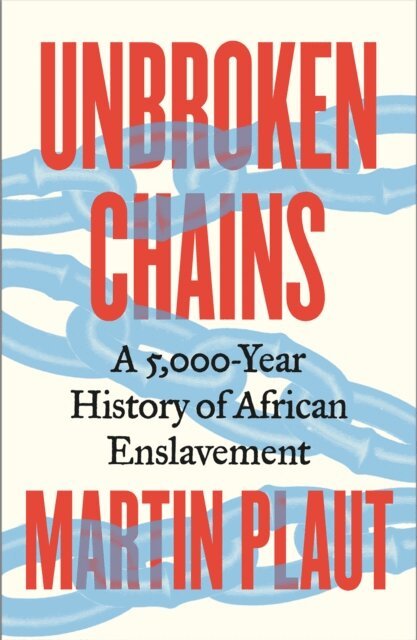
A Spectator 'Book of the Year'A new, full history of slavery in Africa, from the Pharaohs to the present.Slavery has ravaged African societies since at least 2,500 BCE, from Egypt to the Cape; from Mauritania to Somalia. Most writing covers just one fraction of this history: the horrors of the trans-Atlantic slave trade. Yet Indian Ocean slavery was equally sizeable, and far longer-lived. Historians often neglect the continent's internal practices, too--Ethiopian kingdoms enslaving conquered peoples; the Sokoto Caliphate capturing men and women on a scale matching the US plantations.Overlooked stories of enslavement matter. In 1794, Congress authorised construction of the US Navy's first six ships--to protect civilian vessels from North Africa's Barbary corsairs, who raided as far as Britain and the Caribbean, enslaving hundreds of thousands of Europeans. And, since abolition of the trans-Atlantic trade, international focus on 'modern' slavery has left Africans enslaved as chattel today with few champions. The UN and African Union are too embarrassed to confront leaders still permitting this practice.Unbroken Chains is the first full account of the bondage systems that have scarred African communities over the millennia. It is an illuminating, powerful read.
99 kr
Skickas inom 5-8 vardagar
127 kr
Skickas