Martin S. Lindauer – författare
Visar alla böcker från författaren Martin S. Lindauer. Handla med fri frakt och snabb leverans.
5 produkter
5 produkter
Inbunden, Engelska, 2003
1 060 kr
Skickas inom 10-15 vardagar
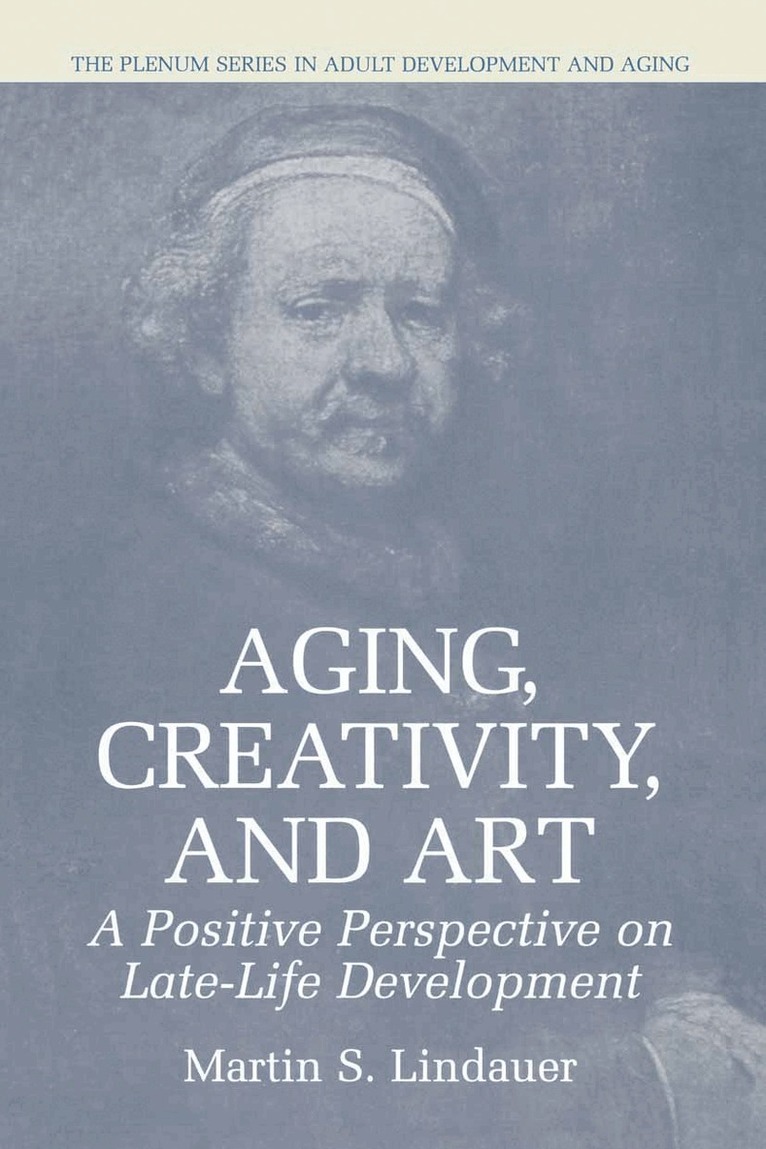
Aging, Creativity and Art: A Positive Perspective on Late-Life Development explores the strengths and opportunities of old age as these are manifested by the accomplishments of aging artists, late artistic works, and elderly arts audiences. The book draws on scholarship in the humanities, primarily in art history; examines mainly paintings and painters, both historical and contemporary; reviews empirical research on creativity and cognition, predominantly from psychology and gerontology; and presents the author's original studies, including surveys of art historians, questionnaires completed by aging artists and arts audiences, and experiments involving judgments of art by laypersons. The research presented in Aging, Creativity and Art: A Positive Perspective on Late-Life Development suggests that creativity continues into the later years; higher-order mental abilities related to creativity, like imagination and problem-solving, persist until late in life; and the elderly's physical, sensory, mental, and interpersonal competencies may be enhanced by engagement with the arts. This work interrelates the disciplines of science, the humanities, and the arts to form a synthesis that builds on the strengths of the methods of quantification of science; the emphasis on the individual in the humanities; and the expressive and intuitive modes of communication in the arts. Aging, Creativity and Art: A Positive Perspective on Late-Life Development critically examines the psychology of creativity, cognitive development, and gerontology, and will be of interest to a wide range of professionals and students in these fields.
E-bok
PDF, Engelska, 20121 408 kr
Läs direkt efter köp
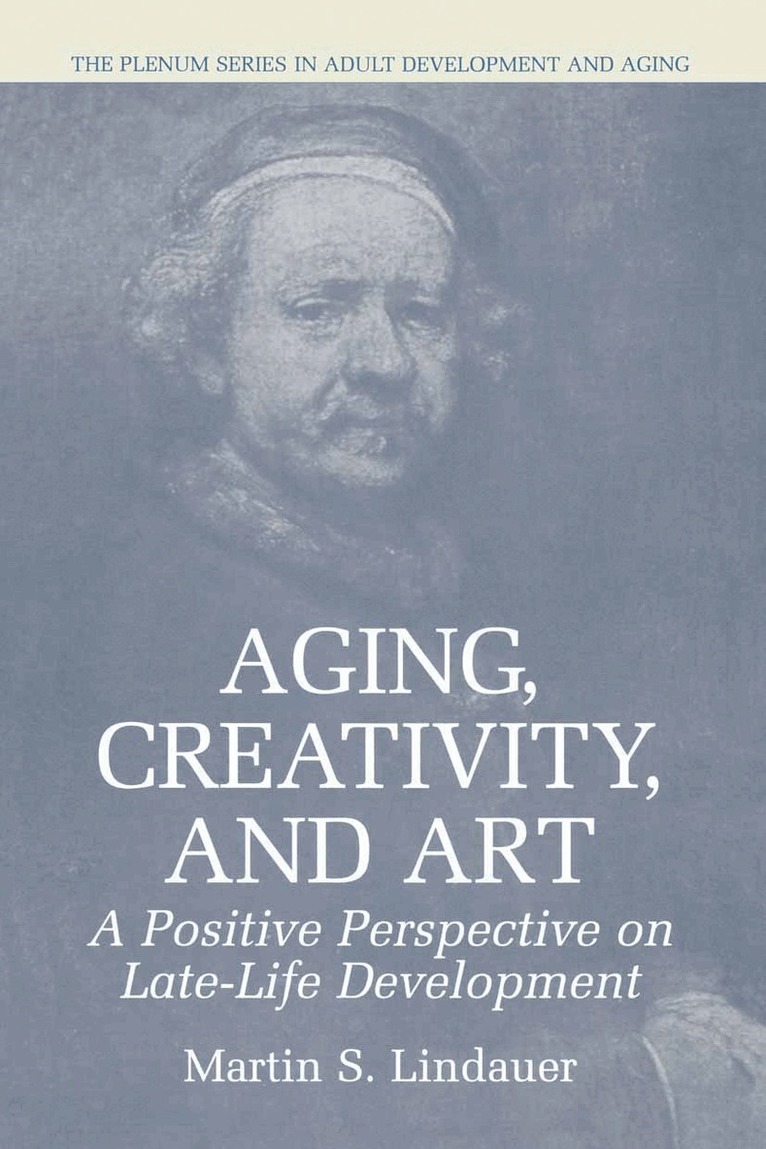
Aging, Creativity and Art: A Positive Perspective on Late-Life Development explores the strengths and opportunities of old age as these are manifested by the accomplishments of aging artists, late artistic works, and elderly arts audiences. The book draws on scholarship in the humanities, primarily in art history; examines mainly paintings and painters, both historical and contemporary; reviews empirical research on creativity and cognition, predominantly from psychology and gerontology; and presents the author''s original studies, including surveys of art historians, questionnaires completed by aging artists and arts audiences, and experiments involving judgments of art by laypersons. The research presented in Aging, Creativity and Art: A Positive Perspective on Late-Life Development suggests that creativity continues into the later years; higher-order mental abilities related to creativity, like imagination and problem-solving, persist until late in life; and the elderly''s physical, sensory, mental, and interpersonal competencies may be enhanced by engagement with the arts. This work interrelates the disciplines of science, the humanities, and the arts to form a synthesis that builds on the strengths of the methods of quantification of science; the emphasis on the individual in the humanities; and the expressive and intuitive modes of communication in the arts. Aging, Creativity and Art: A Positive Perspective on Late-Life Development critically examines the psychology of creativity, cognitive development, and gerontology, and will be of interest to a wide range of professionals and students in these fields.
Häftad, Engelska, 2012
1 235 kr
Skickas inom 10-15 vardagar
Aging, Creativity and Art: A Positive Perspective on Late-Life Development explores the strengths and opportunities of old age as these are manifested by the accomplishments of aging artists, late artistic works, and elderly arts audiences. The book draws on scholarship in the humanities, primarily in art history; examines mainly paintings and painters, both historical and contemporary; reviews empirical research on creativity and cognition, predominantly from psychology and gerontology; and presents the author's original studies, including surveys of art historians, questionnaires completed by aging artists and arts audiences, and experiments involving judgments of art by laypersons. The research presented in Aging, Creativity and Art: A Positive Perspective on Late-Life Development suggests that creativity continues into the later years; higher-order mental abilities related to creativity, like imagination and problem-solving, persist until late in life; and the elderly's physical, sensory, mental, and interpersonal competencies may be enhanced by engagement with the arts. This work interrelates the disciplines of science, the humanities, and the arts to form a synthesis that builds on the strengths of the methods of quantification of science; the emphasis on the individual in the humanities; and the expressive and intuitive modes of communication in the arts. Aging, Creativity and Art: A Positive Perspective on Late-Life Development critically examines the psychology of creativity, cognitive development, and gerontology, and will be of interest to a wide range of professionals and students in these fields.
Inbunden, Engelska, 2020
549 kr
Skickas inom 10-15 vardagar
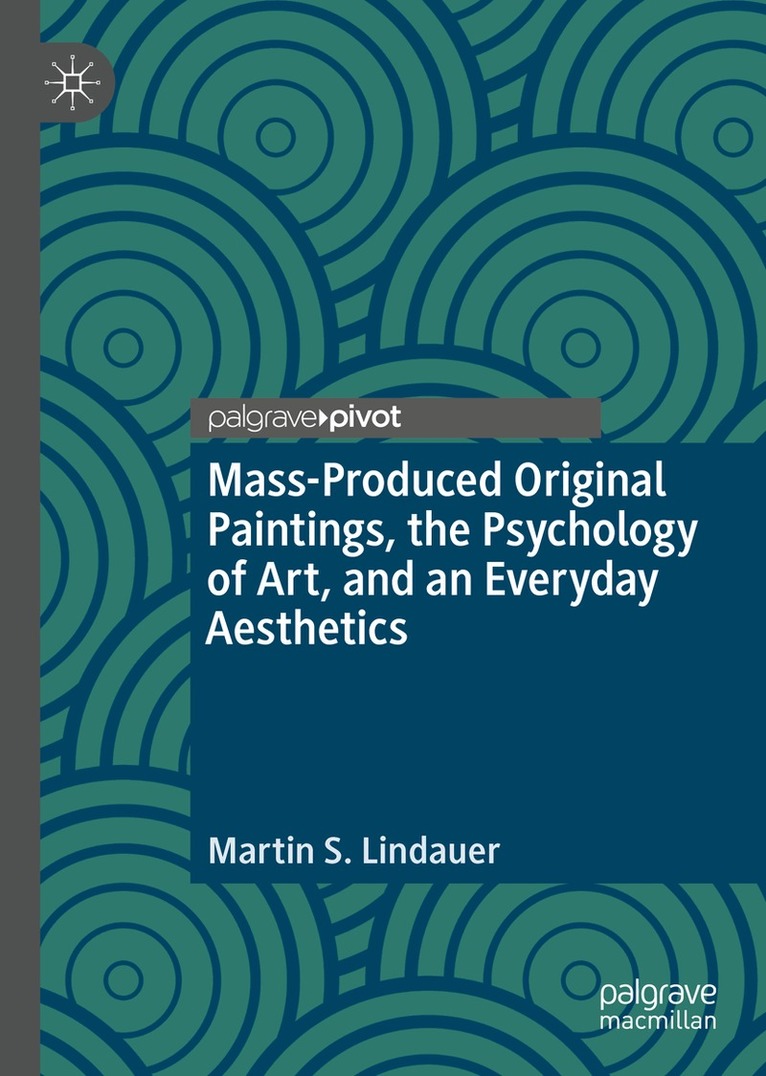
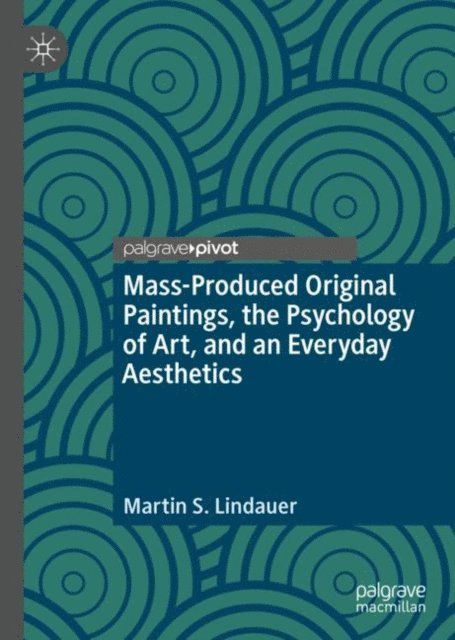
This book examines the contribution of mass-produced original painting to the psychology of art, psychological aesthetics, and art criticism. Mass-produced paintings are an inexpensive, accessible, ubiquitous, and hand-painted popular art by anonymous artists or teams. Sold in an array of outlets, ranging from flea markets to shopping centers to cruise ships, they decorate hotels, offices, and homes. Addressed is their neglect in current scholarship in favor of a nearly exclusive investigation of the high arts and their audiences, as represented by museum paintings. Lindauer contextualizes his analysis by tracing the historical origins of this type of painting, popular art in general, and their evolutionary trajectory, exploring issues including: the impact of art and artists’ creativity on viewers; the overemphasis on originality and name recognition; what is art and who can be called an artist; and the extension of aesthetics to include an everyday kind. The book concludes with directions for future research in the popular and traditional arts, the psychology of art, and, more broadly, the ties that transcend barriers between science, the arts, and the humanities. It will appeal to students and scholars from across the fields of psychology, sociology, philosophy, art history, and cultural, media and communication studies.
E-bok
Engelska, 2020708 kr
Läs direkt efter köp
This book examines the contribution of mass-produced original painting to the psychology of art, psychological aesthetics, and art criticism. Mass-produced paintings are an inexpensive, accessible, ubiquitous, and hand-painted popular art by anonymous artists or teams. Sold in an array of outlets, ranging from flea markets to shopping centers to cruise ships, they decorate hotels, offices, and homes. Addressed is their neglect in current scholarship in favor of a nearly exclusive investigation of the high arts and their audiences, as represented by museum paintings. Lindauer contextualizes his analysis by tracing the historical origins of this type of painting, popular art in general, and their evolutionary trajectory, exploring issues including: the impact of art and artists’ creativity on viewers; the overemphasis on originality and name recognition; what is art and who can be called an artist; and the extension of aesthetics to include an everyday kind. The book concludes with directions for future research in the popular and traditional arts, the psychology of art, and, more broadly, the ties that transcend barriers between science, the arts, and the humanities. It will appeal to students and scholars from across the fields of psychology, sociology, philosophy, art history, and cultural, media and communication studies.