Martina Censi – författare
Visar alla böcker från författaren Martina Censi. Handla med fri frakt och snabb leverans.
5 produkter
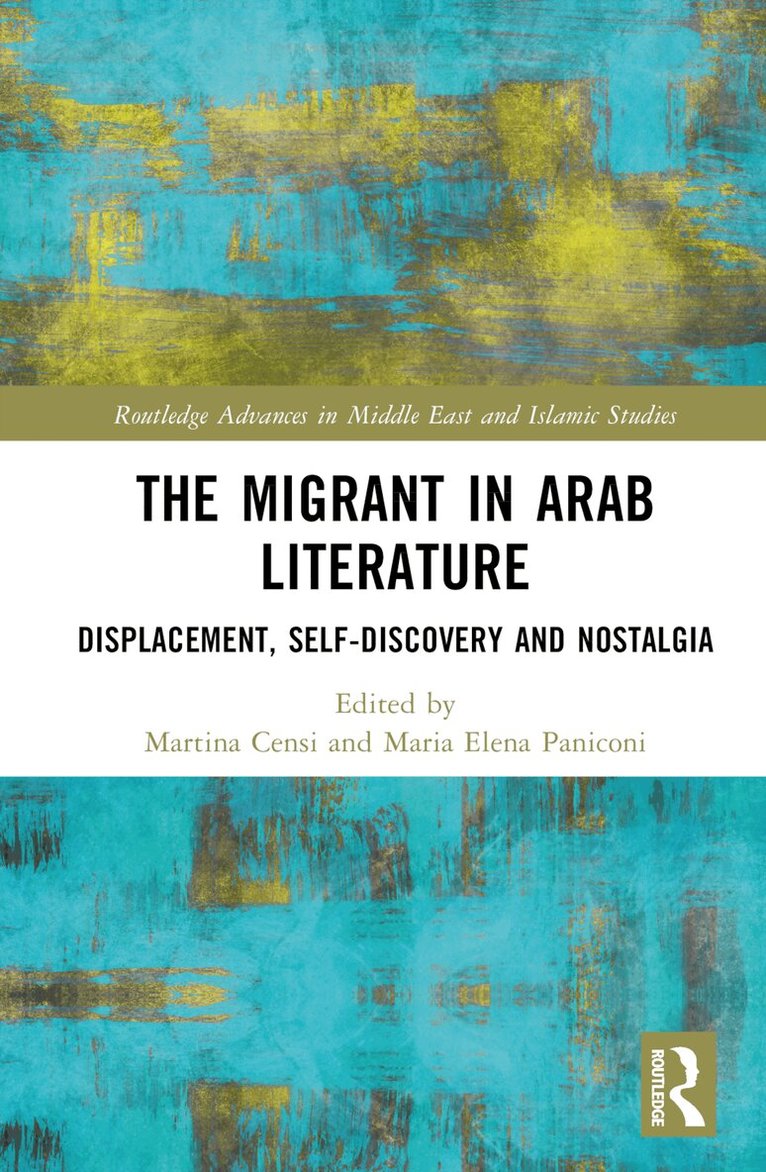
Migrant in Arab Literature
Displacement, Self-Discovery and Nostalgia
Av Martina Censi, Maria Elena Paniconi
Inbunden, 2022
2103 kr
Lägg i varukorg
This edited book offers a collection of fresh and critical essays that explore the representation of the migrant subject in modern and contemporary Arabic literature and discuss its role in shaping new forms of transcultural and transnational identities. The selection of essays in this volume …
Migrant in Arab Literature
Displacement, Self-Discovery and Nostalgia
Av Maria Elena Paniconi, Martina Censi
E-bok, 2022
876 kr
Lägg i varukorg
This edited book offers a collection of fresh and critical essays that explore the representation of the migrant subject in modern and contemporary Arabic literature and discuss its role in shaping new forms of transcultural and transnational identities. The selection of essays in this volume …
Migrant in Arab Literature
Displacement, Self-Discovery and Nostalgia
Av Maria Elena Paniconi, Martina Censi
E-bok, 2022
876 kr
Lägg i varukorg
This edited book offers a collection of fresh and critical essays that explore the representation of the migrant subject in modern and contemporary Arabic literature and discuss its role in shaping new forms of transcultural and transnational identities. The selection of essays in this volume …
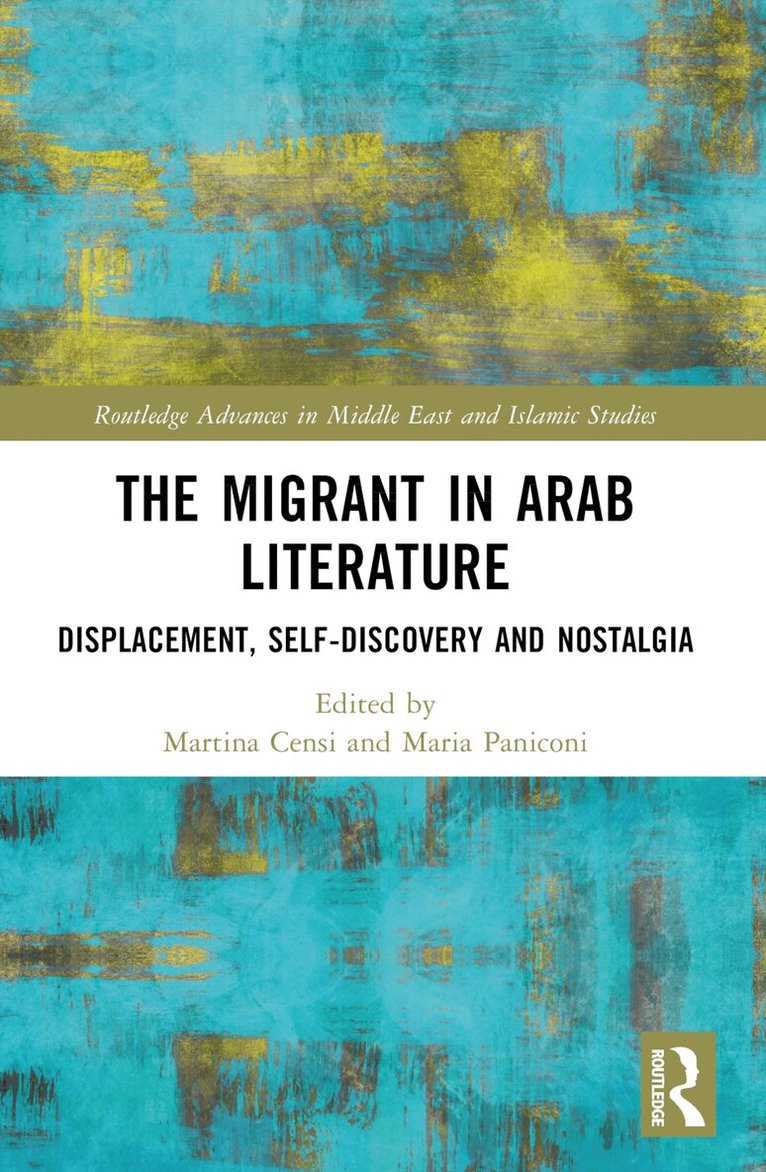
Migrant in Arab Literature
Displacement, Self-Discovery and Nostalgia
Av Martina Censi, Maria Elena Paniconi
Häftad, 2024
745 kr
Lägg i varukorg
This edited book offers a collection of fresh and critical essays that explore the representation of the migrant subject in modern and contemporary Arabic literature and discuss its role in shaping new forms of transcultural and transnational identities. The selection of essays in this volume …
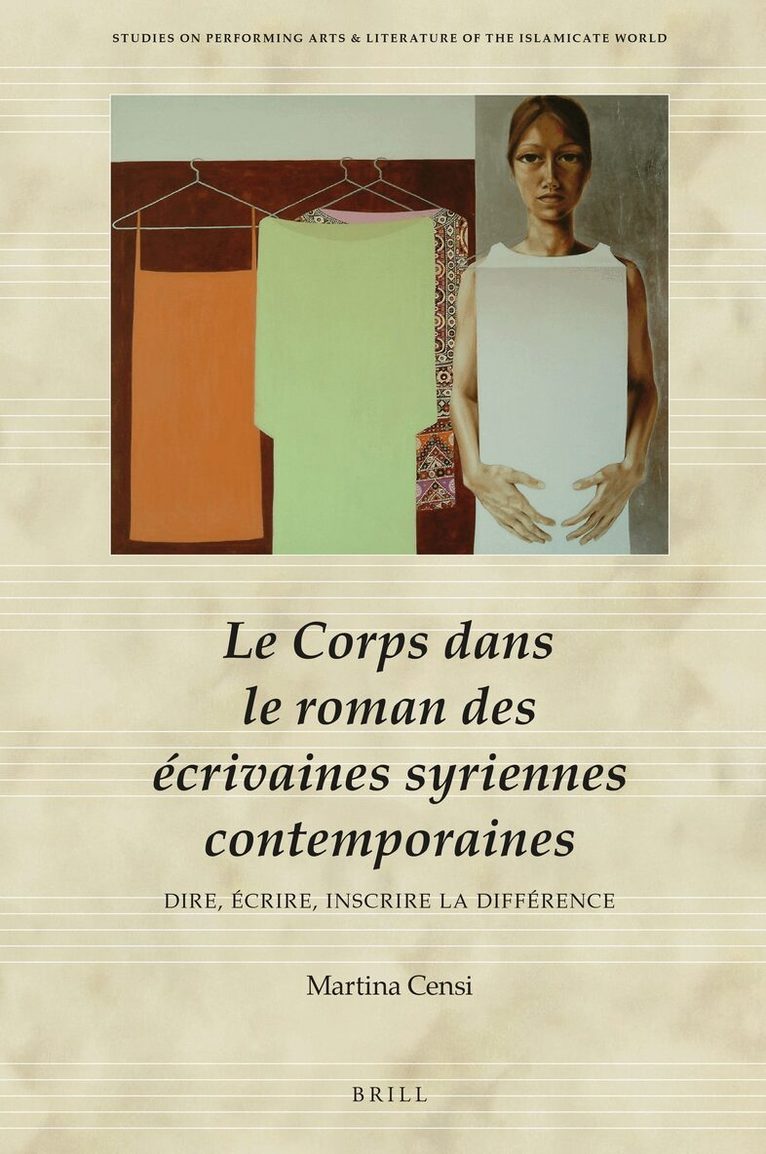
Le Corps dans le roman des écrivaines syriennes contemporaines
Dire, écrire, inscrire la différence
Inbunden, 2016
2272 kr
Lägg i varukorg
Le Corps dans le roman des écrivaines syriennes contemporaines, de Martina Censi, explore les représentations du corps dans un corpus de romans en arabe publiés (entre 2004 et 2011) par six écrivaines syriennes. L’auteure conjugue l'analyse du texte littéraire avec la critique féministe et les …