Mary Ann Curran – författare
757 kr
Skickas inom 10-15 vardagar
844 kr
Läs direkt efter köp
844 kr
Läs direkt efter köp
2 585 kr
Skickas inom 5-8 vardagar
2 824 kr
Läs direkt efter köp
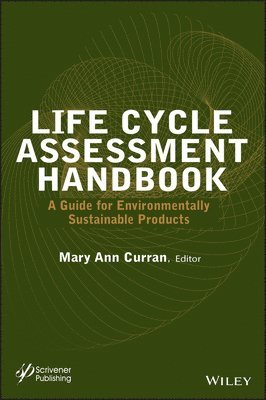
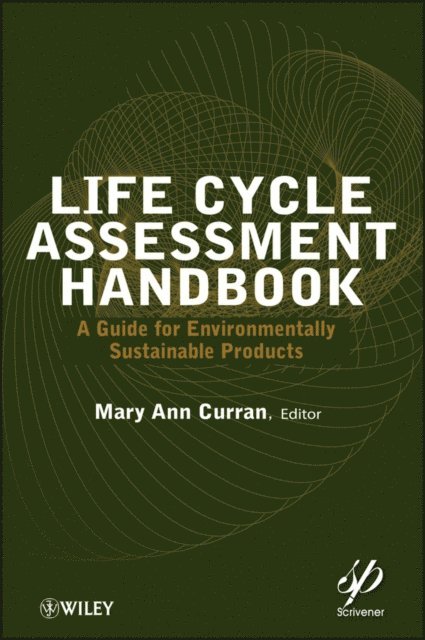
The first book of its kind, the Life Cycle Assessment Handbook: A Guide for Environmentally Sustainable Products will become an invaluable resource for environmentally progressive manufacturers and suppliers, product and process designers, executives and managers, and government officials who want to learn about this essential component of environmental sustainability.
As the last several decades have seen a dramatic rise in the application of Life Cycle Assessment (LCA) in decision making, the interest in the life cycle concept as an environmental management and sustainability tool continues to grow. The LCA Handbook offers a look at the role that life cycle information, in the hands of companies, governments, and consumers, may have in improving the environmental performance of products and technologies. It concisely and clearly presents the various aspects of LCA in order to help the reader better understand the subject.
The content of the book was designed with a certain flow in mind. After a high-level overview to describe current views and state-of-the-practice of LCA, it presents chapters that address specific LCA methodological issues including creating life cycle inventory, life cycle impact assessment, and capturing eco-systems services. These are followed by example applications of LCA in the agri-food industry; sustainable supply chain management; solid waste management; mining and mineral extraction; forest products; buildings; product innovation; and sustainable chemistry and engineering.
The international success of the sustainability paradigm needs the participation of many stakeholders, including citizens, corporations, academia, and NGOs. The handbook links LCA and responsible decision making and how the life cycle concept is a critical element in environmental sustainability. It covers issues such as building capacity in developing countries and emerging economies so that they are more capable of harnessing the potential in LCA for sustainable development. Governments play a very important role with the leverage they have through procurement, regulation, international treaties, tax incentives, public outreach, and other policy tools. This compilation points to the clear trend for incorporating life cycle information into the design and development processes for products and policies, just as quality and safety concerns are now addressed throughout product design and development.

2 824 kr
Läs direkt efter köp
The first book of its kind, the Life Cycle Assessment Handbook: A Guide for Environmentally Sustainable Products will become an invaluable resource for environmentally progressive manufacturers and suppliers, product and process designers, executives and managers, and government officials who want to learn about this essential component of environmental sustainability.
As the last several decades have seen a dramatic rise in the application of Life Cycle Assessment (LCA) in decision making, the interest in the life cycle concept as an environmental management and sustainability tool continues to grow. The LCA Handbook offers a look at the role that life cycle information, in the hands of companies, governments, and consumers, may have in improving the environmental performance of products and technologies. It concisely and clearly presents the various aspects of LCA in order to help the reader better understand the subject.
The content of the book was designed with a certain flow in mind. After a high-level overview to describe current views and state-of-the-practice of LCA, it presents chapters that address specific LCA methodological issues including creating life cycle inventory, life cycle impact assessment, and capturing eco-systems services. These are followed by example applications of LCA in the agri-food industry; sustainable supply chain management; solid waste management; mining and mineral extraction; forest products; buildings; product innovation; and sustainable chemistry and engineering.
The international success of the sustainability paradigm needs the participation of many stakeholders, including citizens, corporations, academia, and NGOs. The handbook links LCA and responsible decision making and how the life cycle concept is a critical element in environmental sustainability. It covers issues such as building capacity in developing countries and emerging economies so that they are more capable of harnessing the potential in LCA for sustainable development. Governments play a very important role with the leverage they have through procurement, regulation, international treaties, tax incentives, public outreach, and other policy tools. This compilation points to the clear trend for incorporating life cycle information into the design and development processes for products and policies, just as quality and safety concerns are now addressed throughout product design and development.
1 130 kr
Skickas
1 374 kr
Läs direkt efter köp
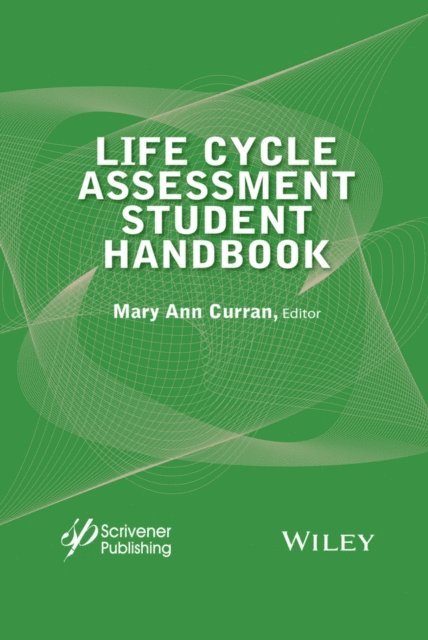
This student version of the popular bestseller, Life Cycle Assessment Handbook, is not a watered-down version of the original, but retains all of the important information and valuable lessons provided in the first book, along with helpful problems and solutions for the student learning about Life Cycle Assessment (LCA).
As the last several decades have seen a dramatic rise in the application of LCA in decision making, the interest in the life cycle concept as an environmental management and sustainability tool continues to grow. The LCA Student Handbook offers a look at the role that life cycle information, in the hands of companies, governments and consumers, may have in improving the environmental performance of products and technologies. It concisely and clearly presents the various aspects of LCA in order to help the reader better understand the subject.
The international success of the sustainability paradigm needs the participation of many stakeholders, including citizens, corporations, academia, and NGOs. The handbook links LCA and responsible decision making and how the life cycle concept is a critical element in environmental sustainability. It covers issues such as building capacity in developing countries and emerging economies so that they are more capable of harnessing the potential in LCA for sustainable development. Governments play a very important role with the leverage they have through procurement, regulation, international treaties, tax incentives, public outreach, and other policy tools. This compilation of points to the clear trend for incorporating life cycle information into the design and development processes for products and policies, just as quality and safety concerns are now addressed throughout product design and development.
The Life Cycle Assessment Student Handbook is not just for students. It is also a valuable resource for practitioners looking for a desktop reference on LCA or for any engineer, manager, or policy-maker wishing to learn about LCA.
1 313 kr
Läs direkt efter köp
This student version of the popular bestseller, Life Cycle Assessment Handbook, is not a watered-down version of the original, but retains all of the important information and valuable lessons provided in the first book, along with helpful problems and solutions for the student learning about Life Cycle Assessment (LCA).
As the last several decades have seen a dramatic rise in the application of LCA in decision making, the interest in the life cycle concept as an environmental management and sustainability tool continues to grow. The LCA Student Handbook offers a look at the role that life cycle information, in the hands of companies, governments and consumers, may have in improving the environmental performance of products and technologies. It concisely and clearly presents the various aspects of LCA in order to help the reader better understand the subject.
The international success of the sustainability paradigm needs the participation of many stakeholders, including citizens, corporations, academia, and NGOs. The handbook links LCA and responsible decision making and how the life cycle concept is a critical element in environmental sustainability. It covers issues such as building capacity in developing countries and emerging economies so that they are more capable of harnessing the potential in LCA for sustainable development. Governments play a very important role with the leverage they have through procurement, regulation, international treaties, tax incentives, public outreach, and other policy tools. This compilation of points to the clear trend for incorporating life cycle information into the design and development processes for products and policies, just as quality and safety concerns are now addressed throughout product design and development.
The Life Cycle Assessment Student Handbook is not just for students. It is also a valuable resource for practitioners looking for a desktop reference on LCA or for any engineer, manager, or policy-maker wishing to learn about LCA.
2 389 kr
Skickas inom 10-15 vardagar
1 402 kr
Skickas inom 10-15 vardagar
1 264 kr
Läs direkt efter köp
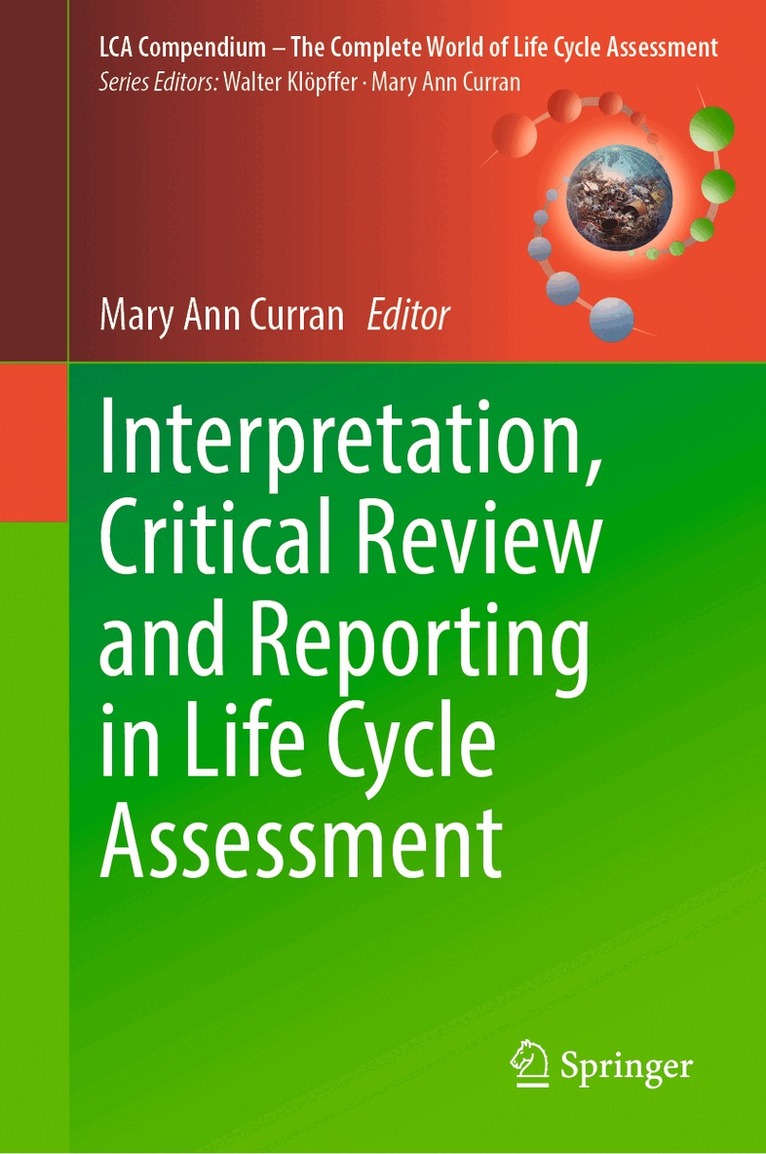
This book discusses the phase “Interpretation” in an outstanding way. According to the opinio communis within the LCA community, “Interpretation” is classified as fourth phase of the LCA framework. However, referring to ISO 14040, this book defines “Interpretation” according to its function in the LCA framework, and this means that “Interpretation has a much broader influence than generally accepted. It overarches goal and scope, inventory analysis and impact assessment. Conclusions are drawn from the results of the inventory and the impact assessment, and recommendations refer to the objective of the study, the goal and scope phase. Likewise to be considered are the defined framework conditions, the reasons for carrying out the study as well as the context of the intended applications and the target groups of the results).
A second highlight of this book concerns “Interpretation” as discussed in conjunction with Critical Review and Reporting, which is an outstandingapproach. The relationship between interpretation and critical review can be seen in the fact that interpretation is a kind of structured preparation of a critical review; in practice, the performance of a critical review can be made much easier if the preparers of a life cycle assessment study very carefully follow the requirements that are specifically placed on the interpretation.
Because the critical review is the independent quality control of an LCA, the results improve the credibility of reporting. The critical review helps to avoid text weaknesses and potential misunderstandings because these aspects will easier be realized by independent readers from different viewpoints. The reviewers thus also represent the first readership of a study and can help to ensure that the specific requirements for good and clear reporting of life cycle assessments are met. Sound reporting needs clear conclusions.
1 003 kr
Skickas inom 10-15 vardagar
1 681 kr
Skickas inom 10-15 vardagar
2 036 kr
Läs direkt efter köp
1 681 kr
Skickas inom 10-15 vardagar