Mary Lorena Kenny – författare
Visar alla böcker från författaren Mary Lorena Kenny. Handla med fri frakt och snabb leverans.
7 produkter
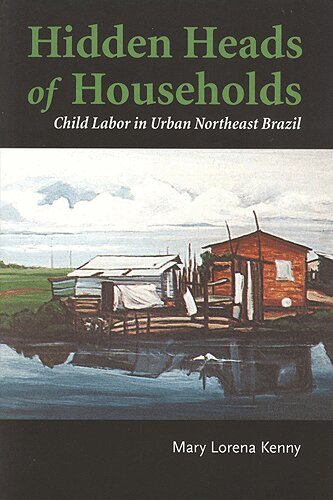
Hidden Heads of Households
Child Labor in Urban Northeast Brazil
Häftad, 2007
213 kr
Lägg i varukorg
In the cities of Northeast Brazil where 50 per cent of the population lives in poverty, children play a key role in the local economy-in their households, in formal jobs, and in the thriving informal sector (washing cars, shining shoes, scavenging for recyclables, etc.). Why children migrate to the …
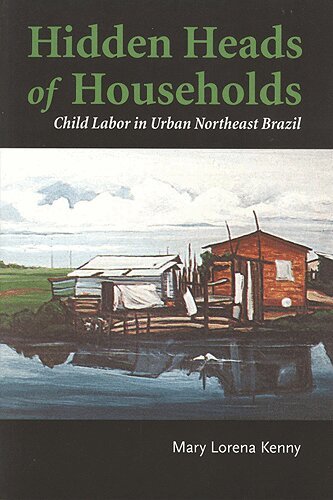
Hidden Heads of Households
Child Labor in Urban Northeast Brazil
E-bok, 2007
285 kr
Lägg i varukorg
In the cities of Northeast Brazil where 50 per cent of the population lives in poverty, children play a key role in the local economy-in their households, in formal jobs, and in the thriving informal sector (washing cars, shining shoes, scavenging for recyclables, etc.). Why children migrate to the …
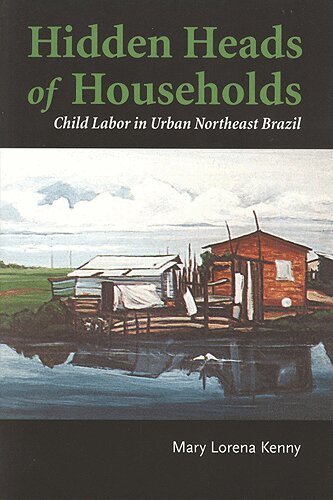
Hidden Heads of Households
Child Labor in Urban Northeast Brazil
E-bok, 2007
285 kr
Lägg i varukorg
In the cities of Northeast Brazil where 50 per cent of the population lives in poverty, children play a key role in the local economy-in their households, in formal jobs, and in the thriving informal sector (washing cars, shining shoes, scavenging for recyclables, etc.). Why children migrate to the …
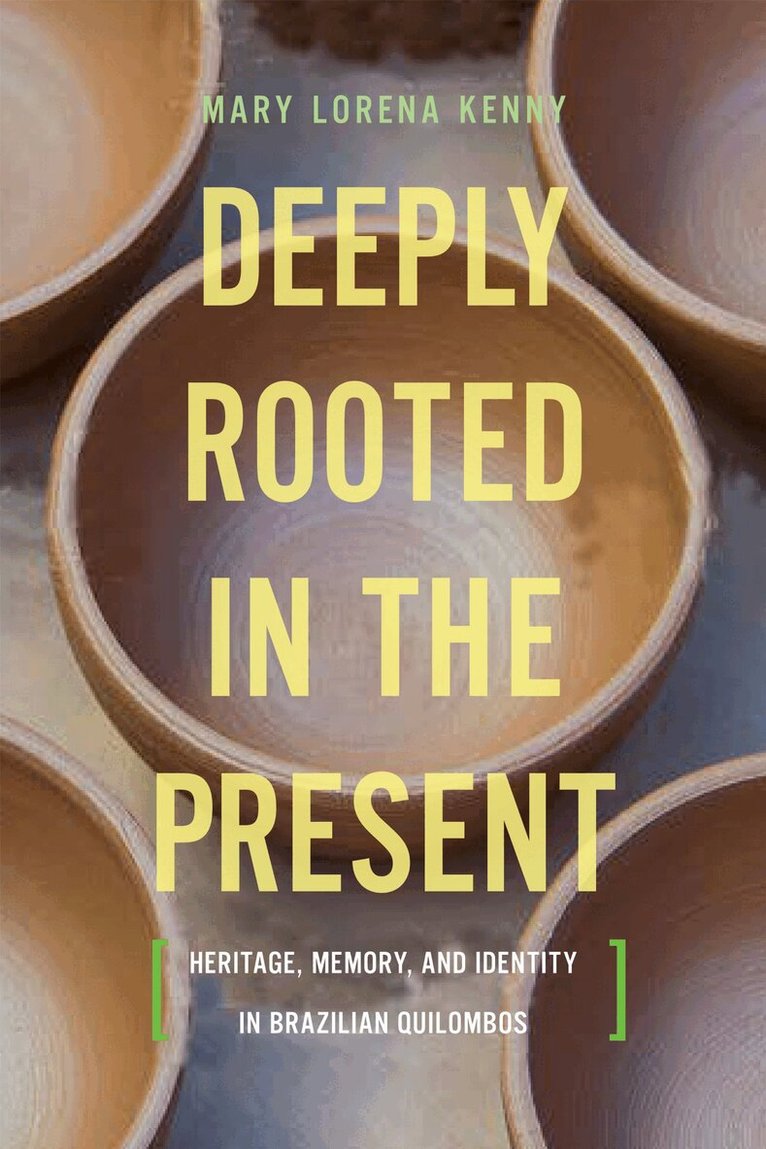
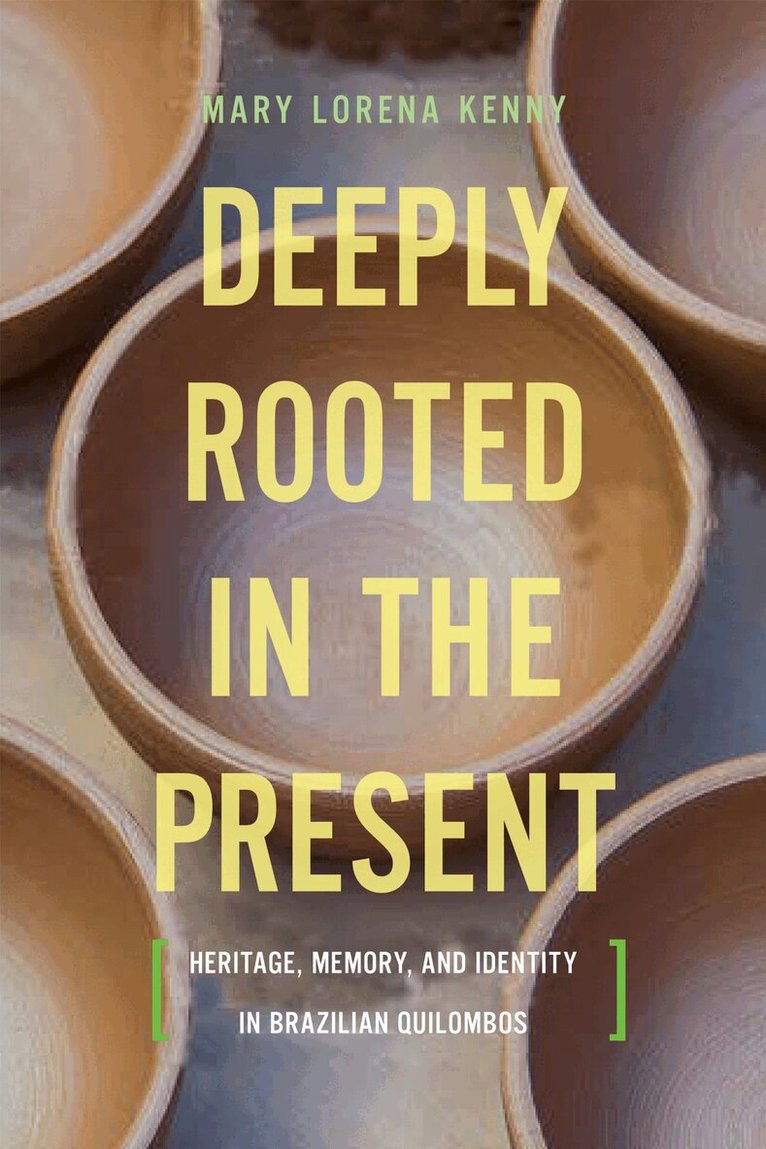
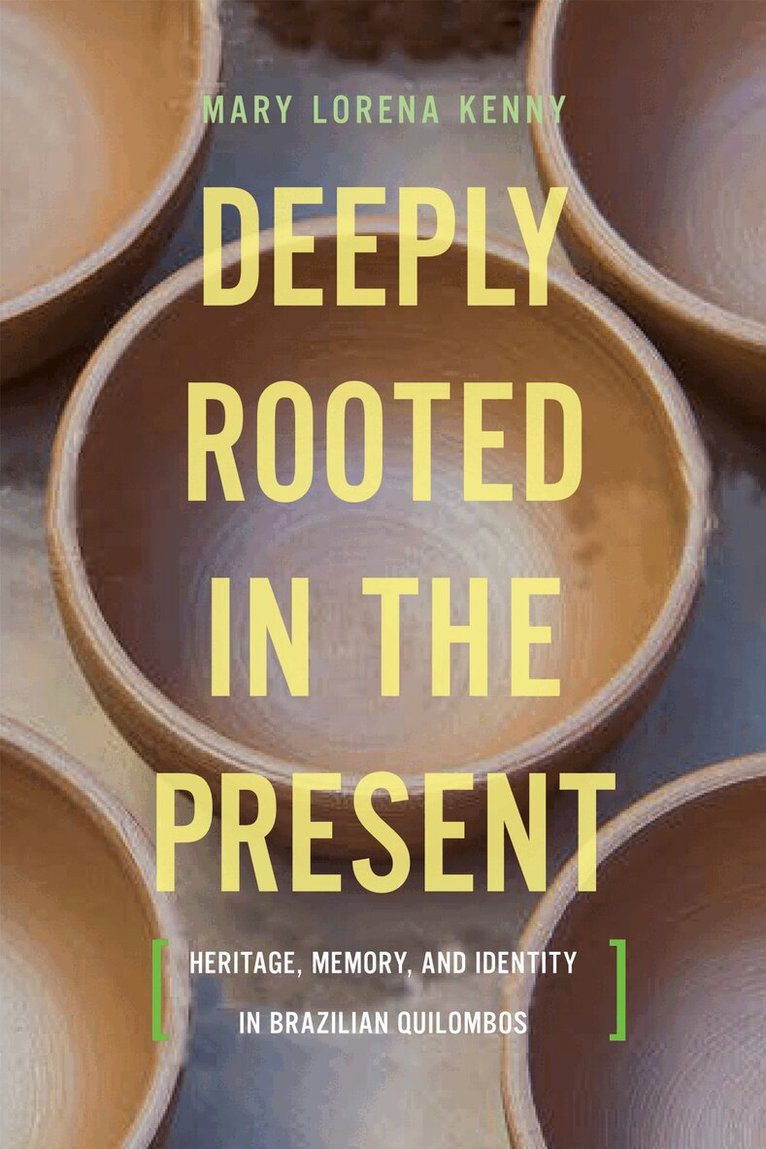
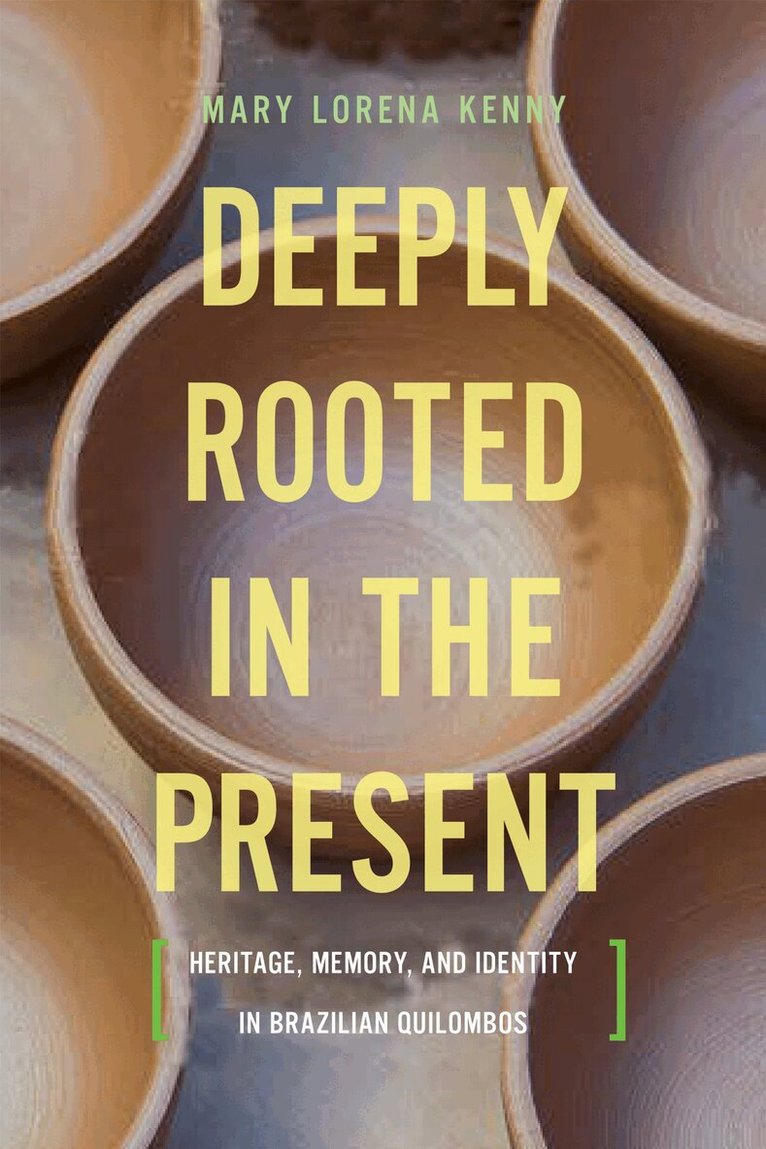
Deeply Rooted in the Present
Heritage, Memory, and Identity in Brazilian Quilombos
Häftad, 2018
319 kr
Lägg i varukorg
Asking what it means to be quilombola (descendants of African slaves) in the twenty-first century, Kenny illustrates how heritage and identity do not simply exist, but are continually being constructed to reflect particular historical circumstances. The book includes supplementary exercises that …
Deeply Rooted in the Present
Heritage, Memory, and Identity in Brazilian Quilombos
Inbunden, 2018
625 kr
Lägg i varukorg
Asking what it means to be quilombola (descendants of African slaves) in the twenty-first century, Kenny illustrates how heritage and identity do not simply exist, but are continually being constructed to reflect particular historical circumstances. The book includes supplementary exercises that …
Deeply Rooted in the Present
Heritage, Memory, and Identity in Brazilian Quilombos
E-bok, 2018
343 kr
Lägg i varukorg
Asking what it means to be quilombola (descendants of African slaves) in the twenty-first century, Kenny illustrates how heritage and identity do not simply exist, but are continually being constructed to reflect particular historical circumstances. The book includes supplementary exercises that …
Deeply Rooted in the Present
Heritage, Memory, and Identity in Brazilian Quilombos
E-bok, 2018
343 kr
Lägg i varukorg
Asking what it means to be quilombola (descendants of African slaves) in the twenty-first century, Kenny illustrates how heritage and identity do not simply exist, but are continually being constructed to reflect particular historical circumstances. The book includes supplementary exercises that …