Mary Neuburger – författare
Visar alla böcker från författaren . Handla med fri frakt och snabb leverans.
4 produkter
4 produkter
Inbunden, Engelska, 2012
1 961 kr
Skickas inom 5-8 vardagar
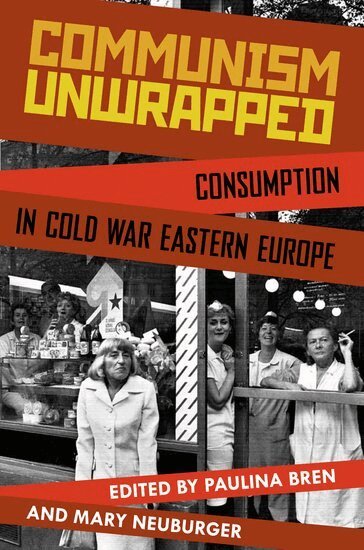
Communism Unwrapped is a collection of essays that unwraps the complex world of consumption under communism in postwar Eastern Europe, featuring new work by both American and European scholars writing from variety of disciplinary perspectives. The result is a fresh look at everyday life under communism that explores the ways people shopped, ate, drank, smoked, cooked, acquired, exchanged and assessed goods. These phenomena, the editors argue, were central to the way that communism was lived and experienced in its widely varied contexts in the region. Consumption pervaded everyday life far more than most other political and social phenomena. From design, to production, to retail sales and black market exchange, Communism Unwrapped follows communist goods from producer to consumer, tracing their circuitous routes. In the communist world this journey was rife with its own meanings, shaped by the special political and social circumstances of these societies. In examining consumption behind the Iron Curtain, this volume builds on a new field of study. It brings dimension and nuance to our understanding of the communist period and a new perspective to our current analyses of consumerism.
E-bok
PDF, Engelska, 2012538 kr
Läs direkt efter köp
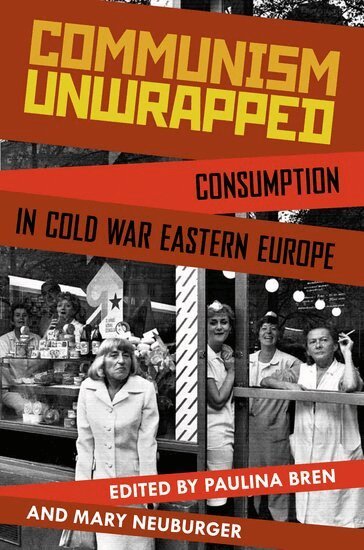
Communism Unwrapped reveals the complex world of consumption in Cold War Eastern Europe, exploring the ways people shopped, ate, drank, smoked, cooked, acquired, assessed and exchanged goods. These everyday experiences, the editors and contributors argue, were central to the way that communism was lived in its widely varied contexts in the region. From design, to production, to retail sales and black market exchange, Communism Unwrapped follows communist goods from producer to consumer, tracing their circuitous routes. In the communist world this journey was rife with its own meanings, shaped by the special political and social circumstances of these societies. In examining consumption behind the Iron Curtain, this volume brings dimension and nuance to understandings of the communist period and the history of consumerism.
Häftad, Engelska, 2012
553 kr
Skickas inom 5-8 vardagar
Communism Unwrapped is a collection of essays that unwraps the complex world of consumption under communism in postwar Eastern Europe, featuring new work by both American and European scholars writing from variety of disciplinary perspectives. The result is a fresh look at everyday life under communism that explores the ways people shopped, ate, drank, smoked, cooked, acquired, exchanged and assessed goods. These phenomena, the editors argue, were central to the way that communism was lived and experienced in its widely varied contexts in the region. Consumption pervaded everyday life far more than most other political and social phenomena. From design, to production, to retail sales and black market exchange, Communism Unwrapped follows communist goods from producer to consumer, tracing their circuitous routes. In the communist world this journey was rife with its own meanings, shaped by the special political and social circumstances of these societies. In examining consumption behind the Iron Curtain, this volume builds on a new field of study. It brings dimension and nuance to our understanding of the communist period and a new perspective to our current analyses of consumerism.
E-bok
Engelska, 2012519 kr
Läs direkt efter köp
Communism Unwrapped reveals the complex world of consumption in Cold War Eastern Europe, exploring the ways people shopped, ate, drank, smoked, cooked, acquired, assessed and exchanged goods. These everyday experiences, the editors and contributors argue, were central to the way that communism was lived in its widely varied contexts in the region. From design, to production, to retail sales and black market exchange, Communism Unwrapped follows communist goods from producer to consumer, tracing their circuitous routes. In the communist world this journey was rife with its own meanings, shaped by the special political and social circumstances of these societies. In examining consumption behind the Iron Curtain, this volume brings dimension and nuance to understandings of the communist period and the history of consumerism.