MaryAnn Bell - Böcker
Visar alla böcker från författaren MaryAnn Bell. Handla med fri frakt och snabb leverans.
4 produkter
4 produkter
1 221 kr
Skickas inom 10-15 vardagar
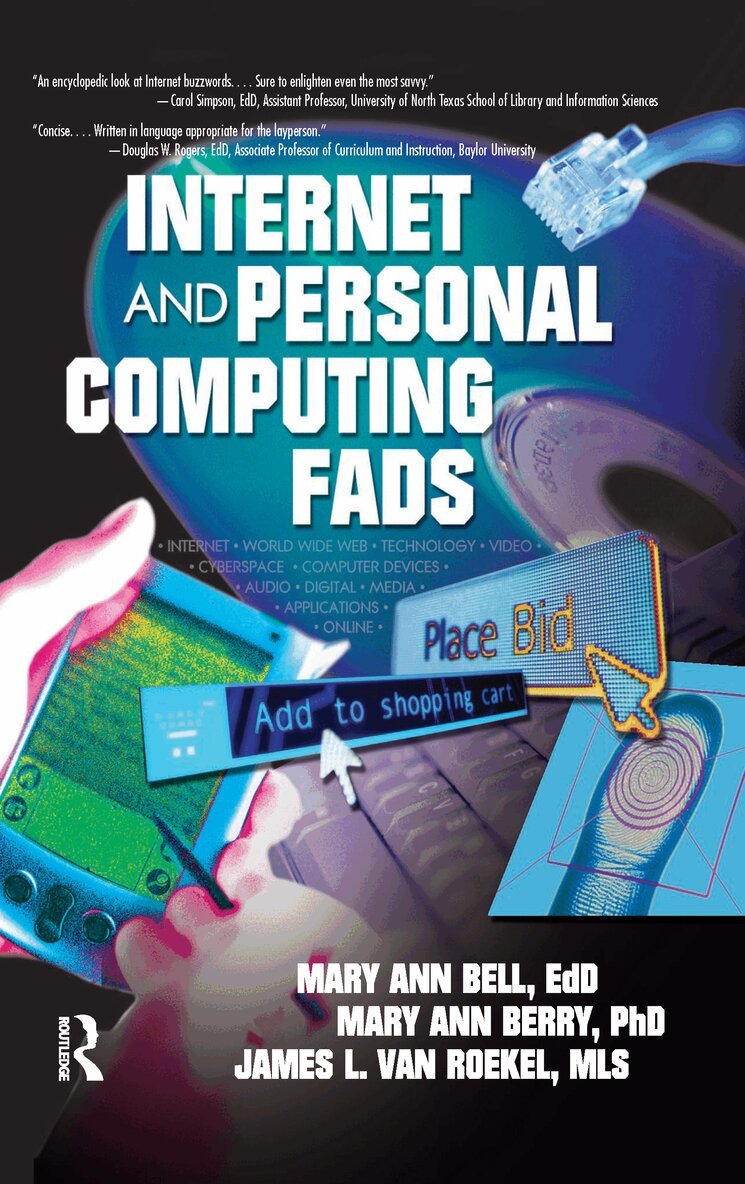
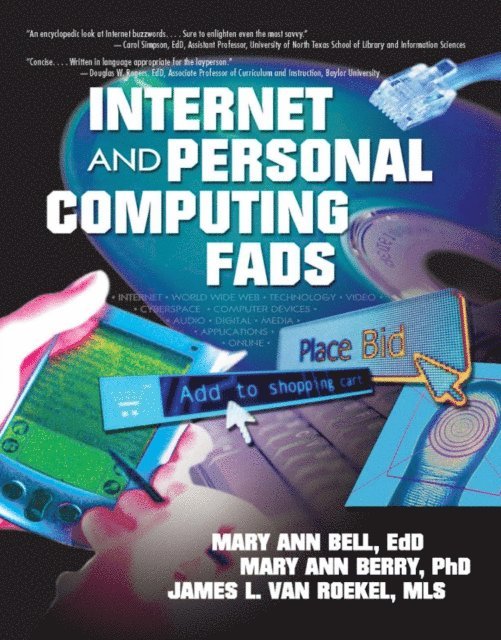
An easy-to-understand guide to often-confusing computer/Internet jargon! Internet and Personal Computing Fads is an A-to-Z reference book written in a straightforward style that’s informative enough for library use but informal enough for general reading. This essential guide takes a practical look at the most often-seen computer and Internet terms and describes them in easy-to-understand language. From Acceptable Use Policy (AUP) to Hypertext to Y2K, more than 100 entries are included, featuring historical backgrounds, popular and practical uses, interesting fun facts, and bibliographies. Detailed enough for reference use by academics, the book has a natural tone that will appeal to students, casual computer users, and those who are intrigued by the chaotic, fascinating, but often frustrating and daunting morass of information known today as the World Wide Web. A perfect introduction to the world of computers and the Internet, this book presents brief, jargon-free explanations of terms representing a variety of fields of interest, including general computer use, business, entertainment, multimedia development, and education. You'll learn about:artificial intelligence the history of computer hardware the Mac vs. PC debate Internet domains such as .com, .edu, .gov, and others the meanings of commonly used e-mail abbreviations, including BTW, FYI, LOL, and more distance learning the origin and meaning of the word cyberspace and a great deal more! In clear and concise entries, Internet and Personal Computing Fads will help you understand the meaning of terms including:bandwidth biometrics bookmarks CAD (computer-assisted design) chat rooms clip art cookies cybercafé digital audio, video, imaging, and cameras dot com e-mail, e-books and e-zines electronic publishing emoticons filtering freeware (shareware) gaming Global Positioning Systems (GPS) instant messaging Internet advertising Linux MIDI mp3 Spam (Internet junk mail) URL usenet and many, many more!An everyday guide for enthusiasts and a perfect place to start for newcomers, Internet and Personal Computing Fads is an easy-to-use handbook with wide-ranging appeal. It combines the comprehensive information you’d expect from a reference book with a casual and colorful look at the histories and backgrounds of popular computer/Internet terms and concepts. As a vital resource or an occasional reference, this book is an exceptional value.
549 kr
Skickas inom 7-10 vardagar
An easy-to-understand guide to often-confusing computer/Internet jargon! Internet and Personal Computing Fads is an A-to-Z reference book written in a straightforward style that’s informative enough for library use but informal enough for general reading. This essential guide takes a practical look at the most often-seen computer and Internet terms and describes them in easy-to-understand language. From Acceptable Use Policy (AUP) to Hypertext to Y2K, more than 100 entries are included, featuring historical backgrounds, popular and practical uses, interesting fun facts, and bibliographies. Detailed enough for reference use by academics, the book has a natural tone that will appeal to students, casual computer users, and those who are intrigued by the chaotic, fascinating, but often frustrating and daunting morass of information known today as the World Wide Web. A perfect introduction to the world of computers and the Internet, this book presents brief, jargon-free explanations of terms representing a variety of fields of interest, including general computer use, business, entertainment, multimedia development, and education. You'll learn about:artificial intelligence the history of computer hardware the Mac vs. PC debate Internet domains such as .com, .edu, .gov, and others the meanings of commonly used e-mail abbreviations, including BTW, FYI, LOL, and more distance learning the origin and meaning of the word cyberspace and a great deal more! In clear and concise entries, Internet and Personal Computing Fads will help you understand the meaning of terms including:bandwidth biometrics bookmarks CAD (computer-assisted design) chat rooms clip art cookies cybercafé digital audio, video, imaging, and cameras dot com e-mail, e-books and e-zines electronic publishing emoticons filtering freeware (shareware) gaming Global Positioning Systems (GPS) instant messaging Internet advertising Linux MIDI mp3 Spam (Internet junk mail) URL usenet and many, many more!An everyday guide for enthusiasts and a perfect place to start for newcomers, Internet and Personal Computing Fads is an easy-to-use handbook with wide-ranging appeal. It combines the comprehensive information you’d expect from a reference book with a casual and colorful look at the histories and backgrounds of popular computer/Internet terms and concepts. As a vital resource or an occasional reference, this book is an exceptional value.
793 kr
Skickas inom 10-15 vardagar
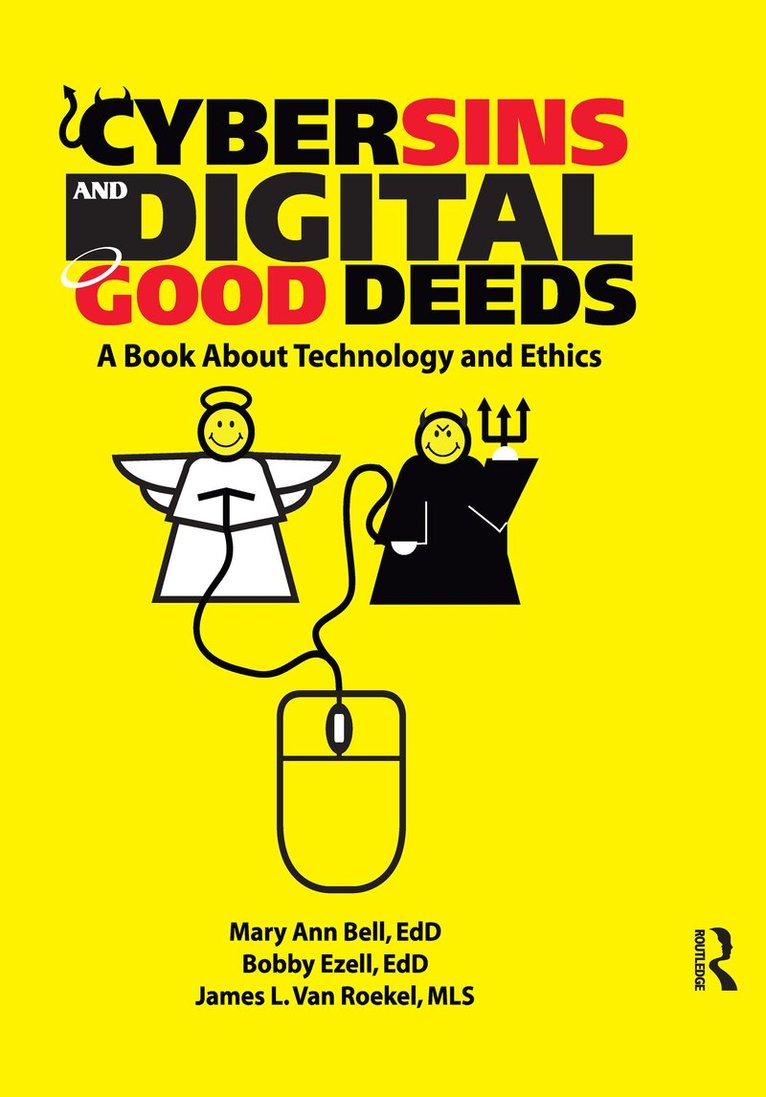
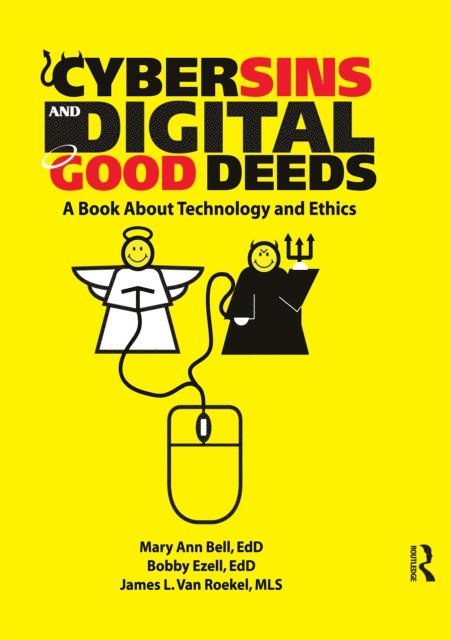
The A-to-Z source on cyberethicsthe responsible use of technology!What is safe and responsible behavior for using the Internet? Cybersins and Digital Good Deeds: A Book About Technology and Ethics provides a comprehensive look at the innovativeand sometimes unscrupulousworld of rapidly evolving technology and the people who use it. This encyclopedic source helps even the most technology-challenged understand various facets relating to the use and misuse of technology in today’s society. Topics are organized A-to-Z for easy reference, with selections chosen because of historical importance, present relevance, and the likelihood of future impact. Privacy, security, censorship, and much, much more are discussed in detail to reveal the ethical complexities of each issue. Harmful and illegal cyber behavior can manifest quickly in several ways in today’s digital world. Keeping up with the shifts and advances in technology, its applications, and how it affects you can be difficult. Cybersins and Digital Good Deeds reviews the latest trends in computer technology and the impact it has on the way we live. This extensive book provides easy-to-understand explanations of tech terms, while clearly examining the current ethical issues surrounding different aspects of technology and its use in positive or destructive actions. Discussions include issues concerning general use, business, entertainment, multimedia development, and education.The broad range of ethical topics in Cybersins and Digital Good Deeds includes:advertising in school the Americans with Disabilities Act (ADA) and its impact upon technology in schools blogging and free speech bride scams video voyeurism censorship and filtering cheating in school using technology Child Online Protection Act Child Pornography Prevention Act (CPPA) computer addiction crackers, lamers, and phreaks cyberbullying cyberchondriacs disinhibition domain hijacking Online auction fraud elder care and technology Google Bombing identity theft pornography media and cognitive development movie duplication sharing audio files online gambling pyramid schemes the Patriot Act phishing podcasting Project Gutenberg RFID tracking spyware technolust Trojan horses and viruses much, much more! Cybersins and Digital Good Deeds is a perfect at-your-fingertips source for questions you may have on the jargon and the ethical use or misuse of technology. This book is perfect for business people; high school, public, and academic librarians; library science professors, education professors, students, or anyone needing clarification of issues related to technology and information ethics.
481 kr
Skickas inom 10-15 vardagar
The A-to-Z source on cyberethicsthe responsible use of technology!What is safe and responsible behavior for using the Internet? Cybersins and Digital Good Deeds: A Book About Technology and Ethics provides a comprehensive look at the innovativeand sometimes unscrupulousworld of rapidly evolving technology and the people who use it. This encyclopedic source helps even the most technology-challenged understand various facets relating to the use and misuse of technology in today’s society. Topics are organized A-to-Z for easy reference, with selections chosen because of historical importance, present relevance, and the likelihood of future impact. Privacy, security, censorship, and much, much more are discussed in detail to reveal the ethical complexities of each issue. Harmful and illegal cyber behavior can manifest quickly in several ways in today’s digital world. Keeping up with the shifts and advances in technology, its applications, and how it affects you can be difficult. Cybersins and Digital Good Deeds reviews the latest trends in computer technology and the impact it has on the way we live. This extensive book provides easy-to-understand explanations of tech terms, while clearly examining the current ethical issues surrounding different aspects of technology and its use in positive or destructive actions. Discussions include issues concerning general use, business, entertainment, multimedia development, and education.The broad range of ethical topics in Cybersins and Digital Good Deeds includes:advertising in school the Americans with Disabilities Act (ADA) and its impact upon technology in schools blogging and free speech bride scams video voyeurism censorship and filtering cheating in school using technology Child Online Protection Act Child Pornography Prevention Act (CPPA) computer addiction crackers, lamers, and phreaks cyberbullying cyberchondriacs disinhibition domain hijacking Online auction fraud elder care and technology Google Bombing identity theft pornography media and cognitive development movie duplication sharing audio files online gambling pyramid schemes the Patriot Act phishing podcasting Project Gutenberg RFID tracking spyware technolust Trojan horses and viruses much, much more! Cybersins and Digital Good Deeds is a perfect at-your-fingertips source for questions you may have on the jargon and the ethical use or misuse of technology. This book is perfect for business people; high school, public, and academic librarians; library science professors, education professors, students, or anyone needing clarification of issues related to technology and information ethics.