
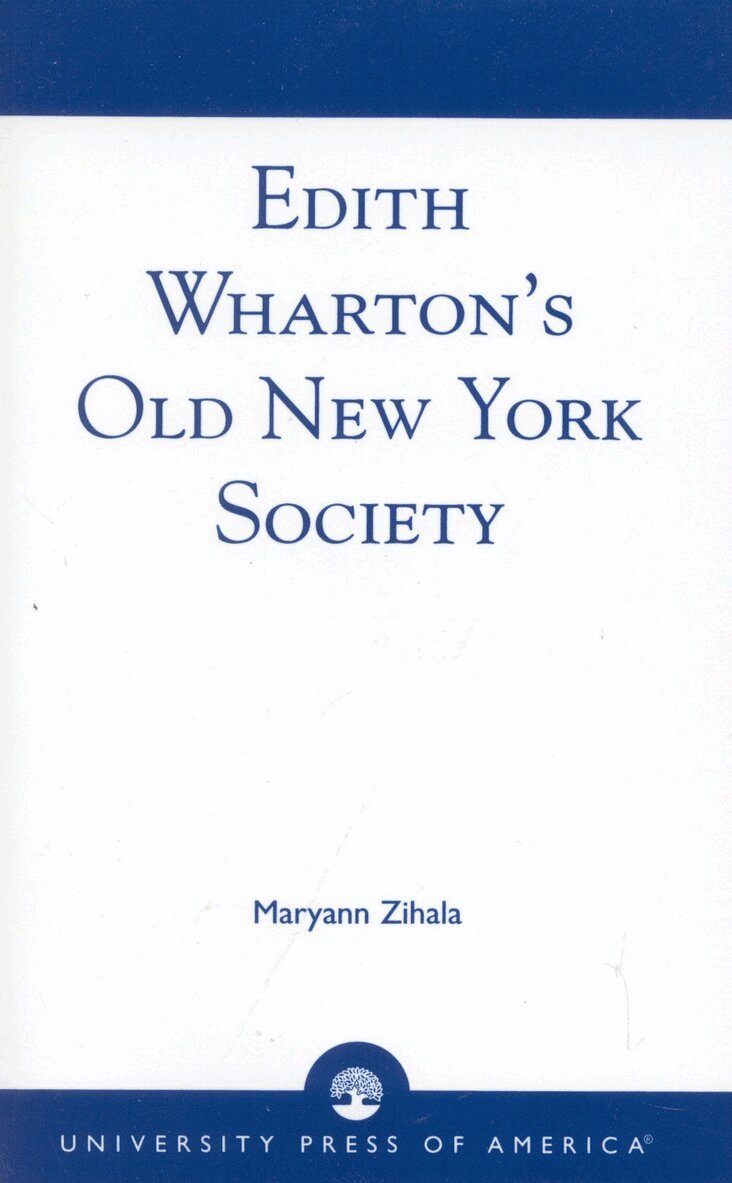
Edith Wharton lived and wrote during a time of change and turmoil in America. She was among the group of American intellectual ex-patriots who fled to Paris in the early 1900s. Throughout her fiction, most of which is set in New York City in the early 1900s, her characters deal with many of the issues of the day including social classes and status, wealth and power, women's rights, progressivism, contraception and abortion, child labor, and education, worker's rights, and many others. Edith Wharton's Old New York Society is a comparative analysis of Wharton's Progressive era fiction.
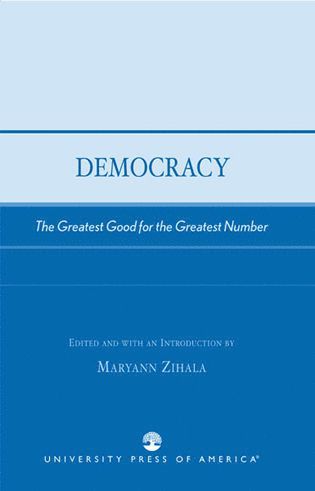
This is a collection of some of the greatest theses ever written about democracy. Here you will find Jean Jacques Rousseau and Thomas Aquinas, Cicero and Aristotle, John Stuart Mill and John Locke— and, of course, our very own James Madison. The selection was made according to the views expressed on why a democratic system of government is the best. What we need, the author contends, is a system that provides the greatest good for the greatest number- and a system of rule simply by the majority of the people is not the best.This collection also includes essays on law, education, and economics as they relate to the main theme. Adam Smith and Karl Marx are both included because, in their own way, they each advocate the greatest good for the greatest number. There are also essays from Alexis de Tocqueville, Andrew Carnegie, and Horace Mann outlining their views on what is good for society.
Rights, Liberties & the Rule of Law is a casebook reader outlining the landmark Supreme Court cases that concern our rights and liberties as Americans. It includes discussions and excerpts from the relevant cases in the areas of first amendment rights, due process, the rights of the accused, equal opportunity and equal protections before the law, and voting rights. It also includes the U.S. Constitution and the Bill of Rights along with a basic outline of our type of government system: the rule of law, the social contract, consent of the governed, limited government, and constitutional democracy. Students will be able to read the relevant opinions from the justices in the original. Each section is followed by questions for review and discussion.
Edith Wharton lived and wrote during a time of change and turmoil in America. She was among the group of American intellectual ex-patriots who fled to Paris in the early 1900s. Throughout her fiction, most of which is set in New York City in the early 1900s, her characters deal with many of the issues of the day including social classes and status, wealth and power, women's rights, progressivism, contraception and abortion, child labor, and education, worker's rights, and many others. Edith Wharton's Old New York Society is a comparative analysis of Wharton's Progressive era fiction.
This is a collection of some of the greatest theses ever written about democracy. Here you will find Jean Jacques Rousseau and Thomas Aquinas, Cicero and Aristotle, John Stuart Mill and John Locke— and, of course, our very own James Madison. The selection was made according to the views expressed on why a democratic system of government is the best. What we need, the author contends, is a system that provides the greatest good for the greatest number- and a system of rule simply by the majority of the people is not the best.This collection also includes essays on law, education, and economics as they relate to the main theme. Adam Smith and Karl Marx are both included because, in their own way, they each advocate the greatest good for the greatest number. There are also essays from Alexis de Tocqueville, Andrew Carnegie, and Horace Mann outlining their views on what is good for society.
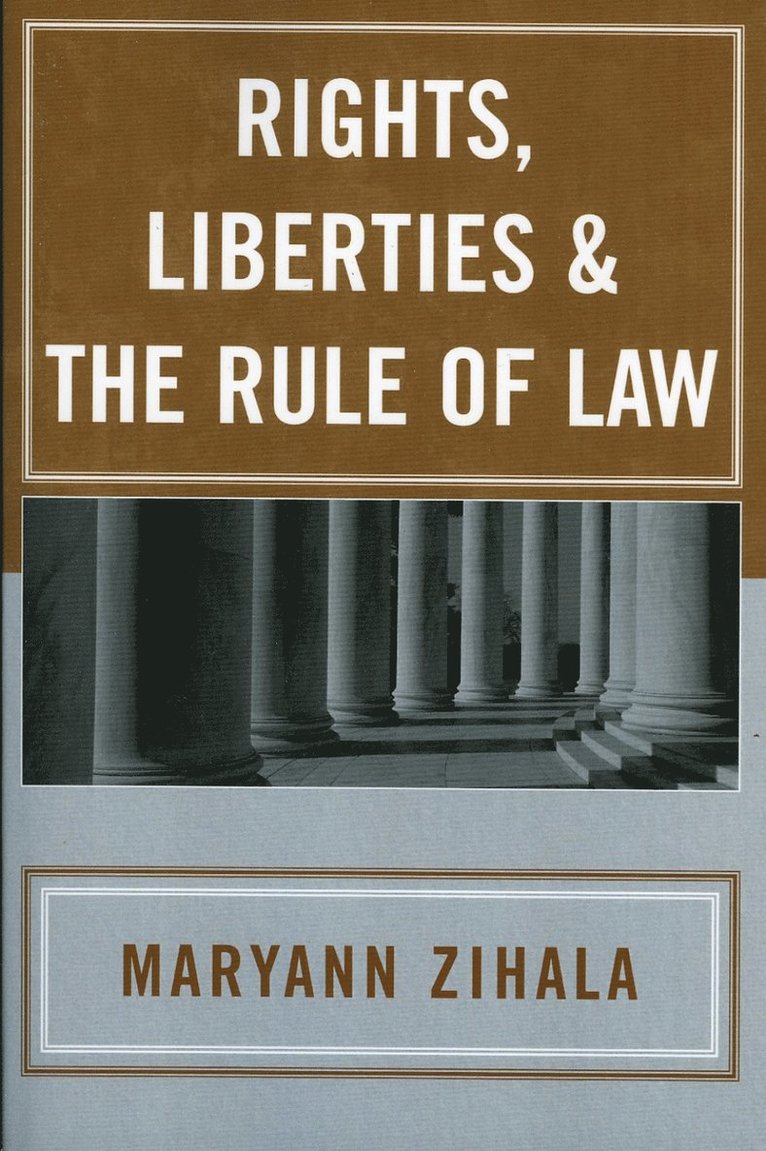
Rights, Liberties & the Rule of Law is a casebook reader outlining the landmark Supreme Court cases that concern our rights and liberties as Americans. It includes discussions and excerpts from the relevant cases in the areas of first amendment rights, due process, the rights of the accused, equal opportunity and equal protections before the law, and voting rights. It also includes the U.S. Constitution and the Bill of Rights along with a basic outline of our type of government system: the rule of law, the social contract, consent of the governed, limited government, and constitutional democracy. Students will be able to read the relevant opinions from the justices in the original. Each section is followed by questions for review and discussion.