MaryAnne Stevens – författare
Visar alla böcker från författaren . Handla med fri frakt och snabb leverans.
2 produkter
2 produkter
Inbunden, Engelska, 2021
422 kr
Skickas inom 5-8 vardagar
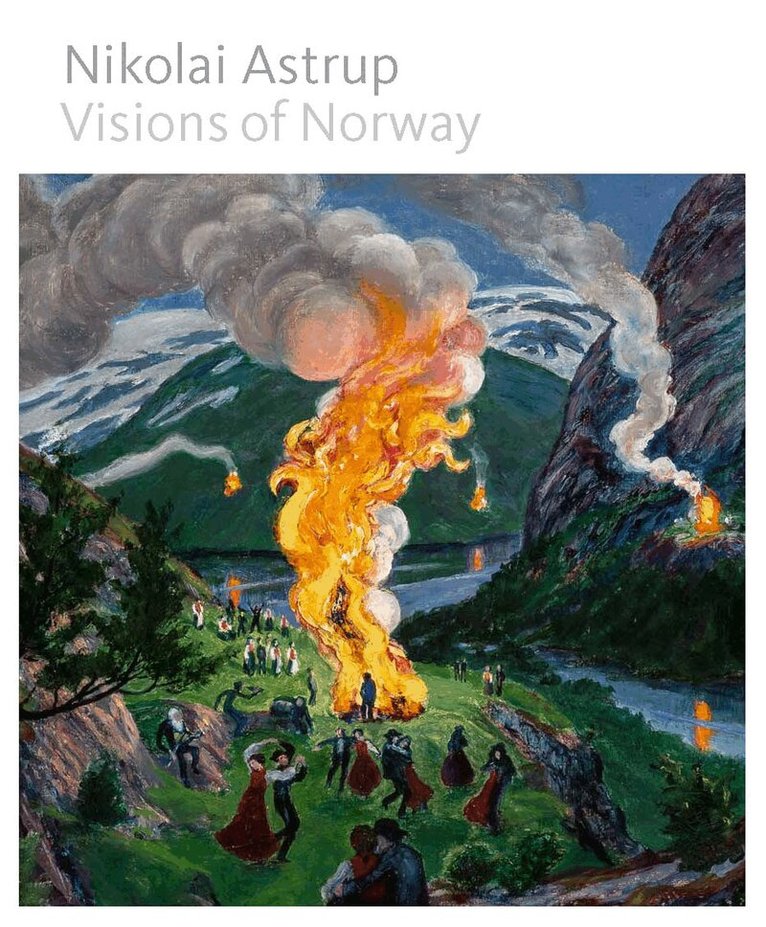
A compelling introduction to the life and artistic output of a trailblazing Norwegian painter, printmaker, and horticulturistNikolai Astrup (1880–1928) was a highly individual Norwegian Modernist artist known for intensely colored paintings and woodcuts of his native landscape. Astrup received a formal art education in Kristiania (now Oslo), Germany, and Paris, but he later rebelled against certain aspects of his training, such as the traditional conventions of optical perspective. He rejected metropolitan cultural centers in favor of his rural childhood home in western Norway, where he produced a remarkable body of work. This volume brings Astrup’s life and work to a North American audience, situating him within the history and culture of Norway and late 19th- and early 20th-century art. Astrup’s horticultural achievements in the service of his art on the farm where he lived are also explored. The book’s beautiful illustrations highlight the intensity of Astrup’s palette, the innovative nature of his prints, and the magical realism of his landscapes steeped in folklore and local customs.Distributed for the Clark Art Institute in cooperation with KODE Art Museums and Composer Homes, Bergen, Savings Bank Foundation DNB, and Prince Eugen’s WaldemarsuddeExhibition Schedule:Clark Art Institute, Williamstown, MA(June 19–September 19, 2021)KODE Art Museums and Composer Homes, Bergen(October 15, 2021–January 23, 2022)Prince Eugen’s Waldemarsudde, Stockholm(February 19–May 29, 2022)
Inbunden, Engelska, 2023
454 kr
Skickas inom 5-8 vardagar
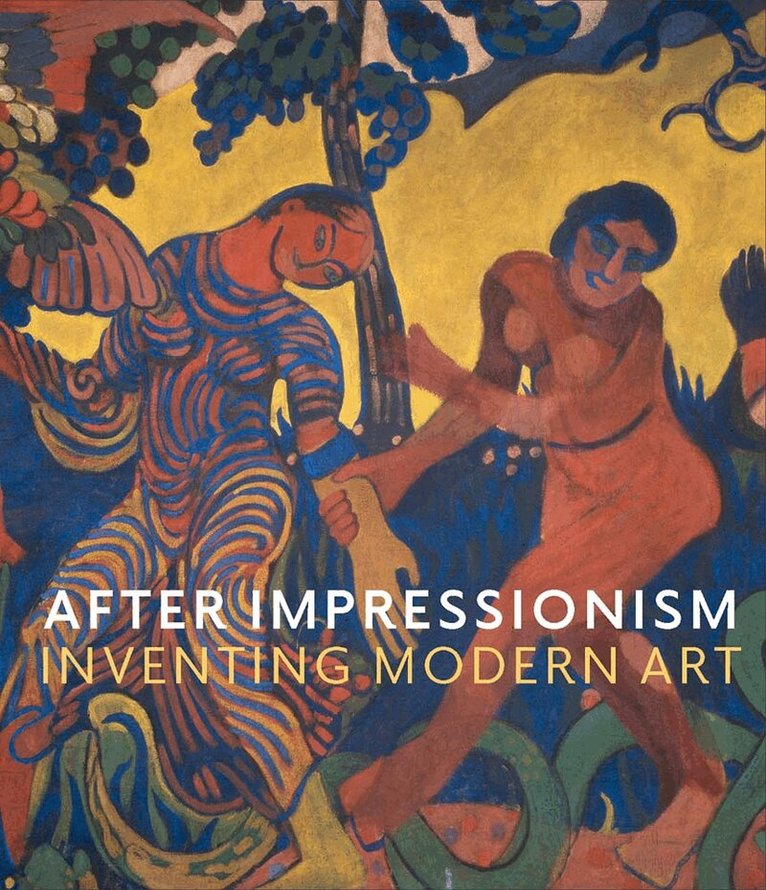
Through the 1880s the very essence of representation, meaning and process in Western art were profoundly interrogated. Plausible representations of the external world were cast aside in favour of non-naturalism expressed in varying degrees, from modest distortions of reality to pure abstraction.The decades that followed, up to the outbreak of the First World War in 1914, were a complex, vibrant period of artistic questioning, searching, risk-taking and innovation. Concentrating on this period of great upheaval, this book will explore the constructive dialogue between painting and sculpture, and the influential roles played by three giants of the era, Paul Cézanne, Paul Gauguin and Vincent van Gogh, across European art as a whole. While acknowledging the centrality of Paris as a cultural capital, it will also uniquely highlight other centres of artistic ferment in Europe, from Brussels and Barcelona to Berlin and Vienna, and track the variety of routes into modernism in the early twentieth century.This fully illustrated catalogue will contain four essays, introductions to each city of ferment and biographies of the artists.Published by National Gallery Global/Distributed by Yale University PressExhibition Schedule:The National Gallery, London 25 March–13 August 2023