Marzia Balzani - Böcker
Visar alla böcker från författaren Marzia Balzani. Handla med fri frakt och snabb leverans.
4 produkter
4 produkter
617 kr
Skickas inom 10-15 vardagar
This book is a study of the UK-based Ahmadiyya Muslim community in the context of the twentieth-century South Asian diaspora. Originating in late nineteenth-century Punjab, the Ahmadis are today a vibrant international religious movement; they are also a group that has been declared heretic by other Muslims and one that continues to face persecution in Pakistan, the country the Ahmadis made their home after the partition of India in 1947.Structured as a series of case studies, the book focuses on the ways in which the Ahmadis balance the demands of faith, community and modern life in the diaspora. Following an overview of the history and beliefs of the Ahmadis, the chapters examine in turn the use of ceremonial occasions to consolidate a diverse international community; the paradoxical survival of the enchantments of dreams and charisma within the structures of an institutional bureaucracy; asylum claims and the ways in which the plight of asylum seekers has been strategically deployed to position the Ahmadis on the UK political stage; and how the planning and building of mosques serves to establish a home within the diaspora.Based on fieldwork conducted over several years in a range of formal and informal contexts, this timely book will be of interest to an interdisciplinary audience from social and cultural anthropology, South Asian studies, the study of Islam and of Muslims in Europe, refugee, asylum and diaspora studies, as well as more generally religious studies and history.The Open Access version of this book, available at http://www.taylorfrancis.com, has been made available under a Creative Commons [Attribution-Non Commercial-No Derivatives (CC BY-NC)] 4.0 license.
2 088 kr
Skickas inom 10-15 vardagar
This book is a study of the UK-based Ahmadiyya Muslim community in the context of the twentieth-century South Asian diaspora. Originating in late nineteenth-century Punjab, the Ahmadis are today a vibrant international religious movement; they are also a group that has been declared heretic by other Muslims and one that continues to face persecution in Pakistan, the country the Ahmadis made their home after the partition of India in 1947.Structured as a series of case studies, the book focuses on the ways in which the Ahmadis balance the demands of faith, community and modern life in the diaspora. Following an overview of the history and beliefs of the Ahmadis, the chapters examine in turn the use of ceremonial occasions to consolidate a diverse international community; the paradoxical survival of the enchantments of dreams and charisma within the structures of an institutional bureaucracy; asylum claims and the ways in which the plight of asylum seekers has been strategically deployed to position the Ahmadis on the UK political stage; and how the planning and building of mosques serves to establish a home within the diaspora.Based on fieldwork conducted over several years in a range of formal and informal contexts, this timely book will be of interest to an interdisciplinary audience from social and cultural anthropology, South Asian studies, the study of Islam and of Muslims in Europe, refugee, asylum and diaspora studies, as well as more generally religious studies and history.The Open Access version of this book, available at http://www.taylorfrancis.com, has been made available under a Creative Commons Attribution-Non Commercial-No Derivatives 4.0 license.
2 088 kr
Skickas inom 10-15 vardagar
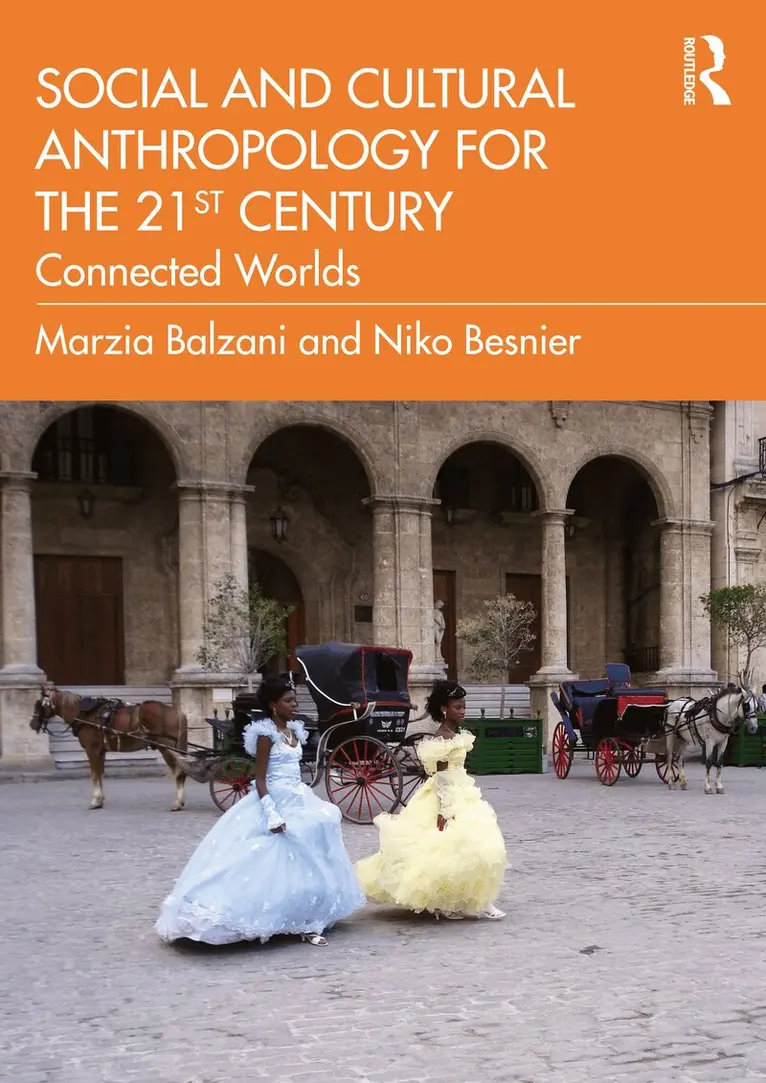
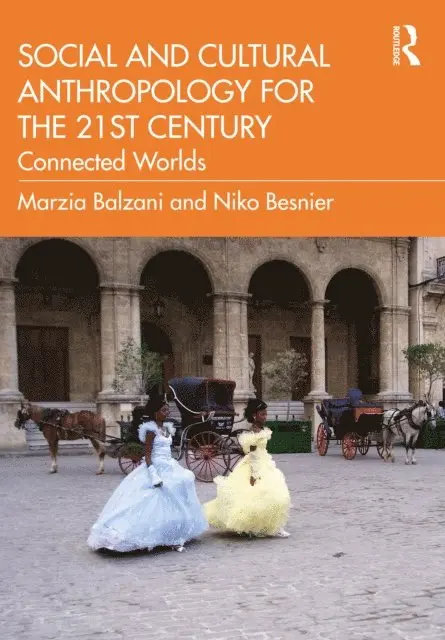
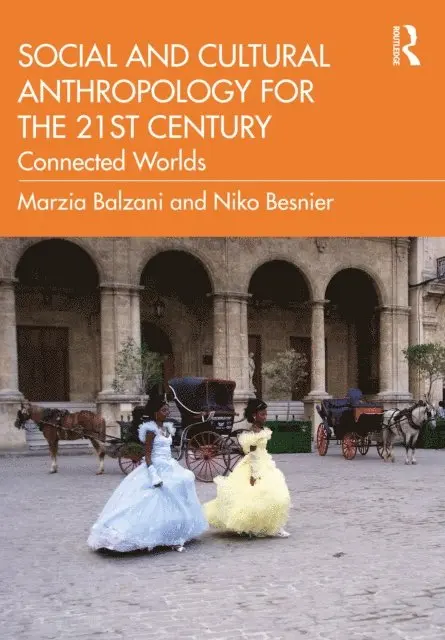
Social and Cultural Anthropology for the 21st Century: Connected Worlds is a lively, accessible, and wide-ranging introduction to socio-cultural anthropology for undergraduate students. It draws on a wealth of ethnographic examples to showcase how anthropological fieldwork and analysis can help us understand the contemporary world in all its diversity and complexity.The book is addressed to a twenty-first-century readership of students who are encountering social and cultural anthropology for the first time. It provides an overview of the key debates and methods that have historically defined the discipline and of the approaches and questions that shape it today. In addition to classic research areas such as kinship, exchange, and religion, topics that are pressing concerns for our times are covered, such as climate change, economic crisis, social media, refugees, sexuality, and race. Foregrounding ethnographic stories from all over the world to illustrate global connections and their effects on local lives, the book combines a focus on history with urgent present-day social issues. It will equip students with the analytical tools that they need to negotiate a world characterized by unprecedented cross-cultural contact, ever-changing communicative technologies and new forms of uncertainty. The book is an essential resource for introductory courses in social and cultural anthropology and as a refresher for more advanced students.
563 kr
Skickas inom 10-15 vardagar
Social and Cultural Anthropology for the 21st Century: Connected Worlds is a lively, accessible, and wide-ranging introduction to socio-cultural anthropology for undergraduate students. It draws on a wealth of ethnographic examples to showcase how anthropological fieldwork and analysis can help us understand the contemporary world in all its diversity and complexity.The book is addressed to a twenty-first-century readership of students who are encountering social and cultural anthropology for the first time. It provides an overview of the key debates and methods that have historically defined the discipline and of the approaches and questions that shape it today. In addition to classic research areas such as kinship, exchange, and religion, topics that are pressing concerns for our times are covered, such as climate change, economic crisis, social media, refugees, sexuality, and race. Foregrounding ethnographic stories from all over the world to illustrate global connections and their effects on local lives, the book combines a focus on history with urgent present-day social issues. It will equip students with the analytical tools that they need to negotiate a world characterized by unprecedented cross-cultural contact, ever-changing communicative technologies and new forms of uncertainty. The book is an essential resource for introductory courses in social and cultural anthropology and as a refresher for more advanced students.