Masaki Kitazume – författare
Visar alla böcker från författaren Masaki Kitazume. Handla med fri frakt och snabb leverans.
13 produkter
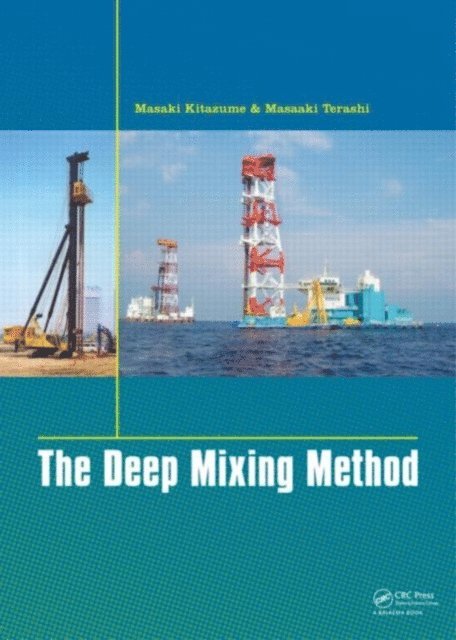
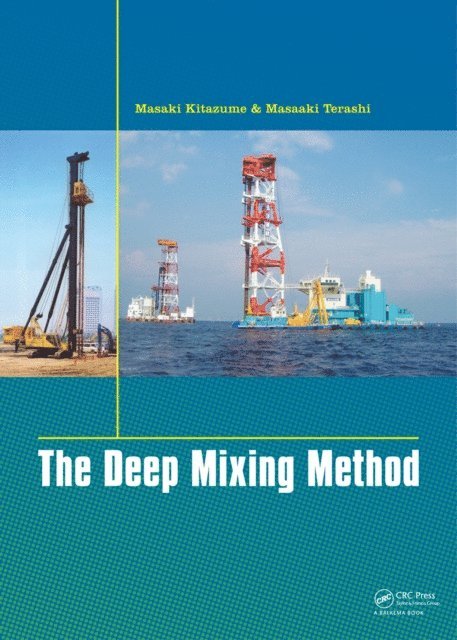
Deep Mixing Method
Av Masaaki Terashi, Masaki Kitazume
E-bok, 2013
1576 kr
Lägg i varukorg
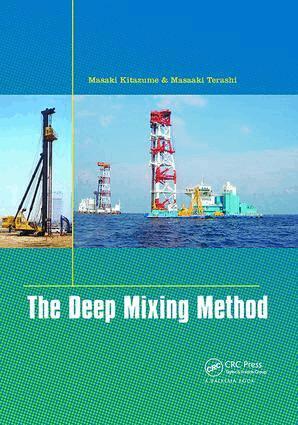
The Deep Mixing Method (DMM), a deep in-situ soil stabilization technique using cement and/or lime as a stabilizing agent, was developed in Japan and in the Nordic countries independently in the 1970s. Numerous research efforts have been made in these areas investigating properties of treated soil, …
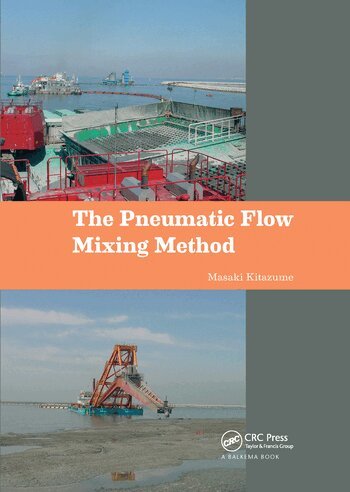
Pneumatic Flow Mixing Method
Häftad, 2020
807 kr
Lägg i varukorg
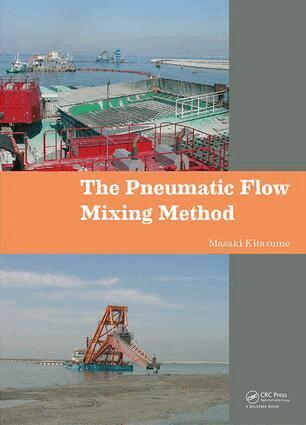
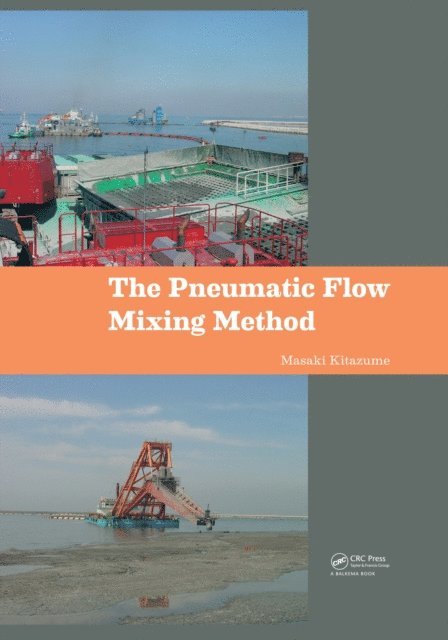
The pneumatic flow mixing method was developed to stabilize dredged soil and surplus soil for promoting their beneficial use in 1999. The pneumatic flow mixing method is a new type of the ex-situ cement stabilization techniques, in which dredged soil and surplus soil is mixed with a relatively …
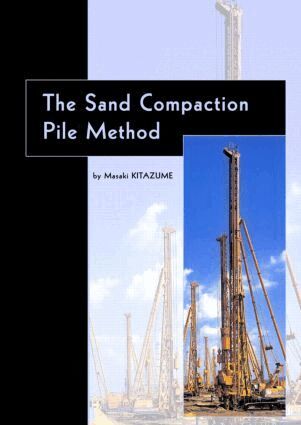
Sand Compaction Pile Method
Inbunden, 2005
1555 kr
Lägg i varukorg
The Sand Compaction Pile or (SCP) method is used frequently in construction to form compacted sand piles by vibration, dynamic impact or static excitation in soft ground. Originally developed in Japan to improve stability or compressibility and to prevent liquefaction failure in loose sand, the SCP …
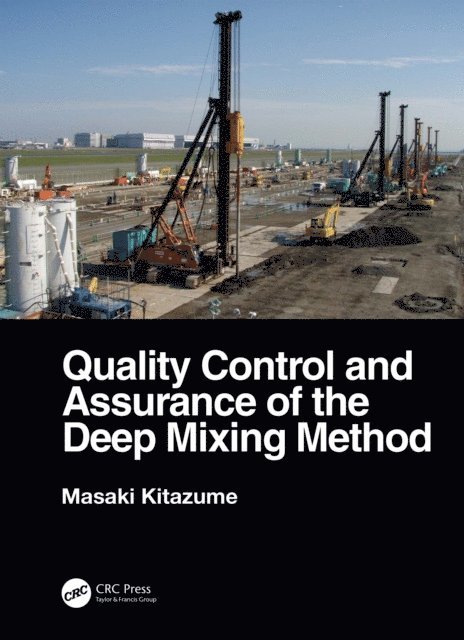
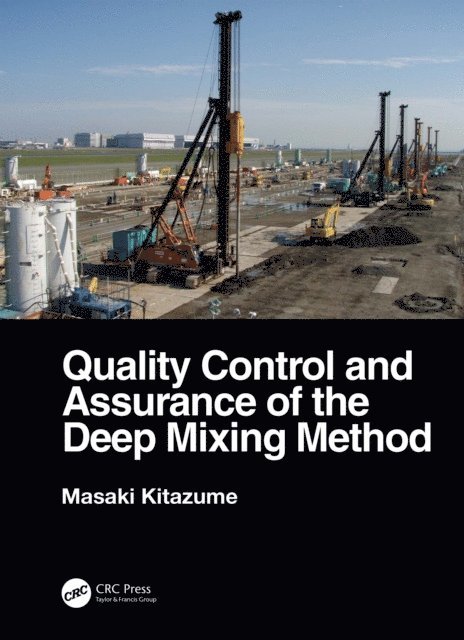
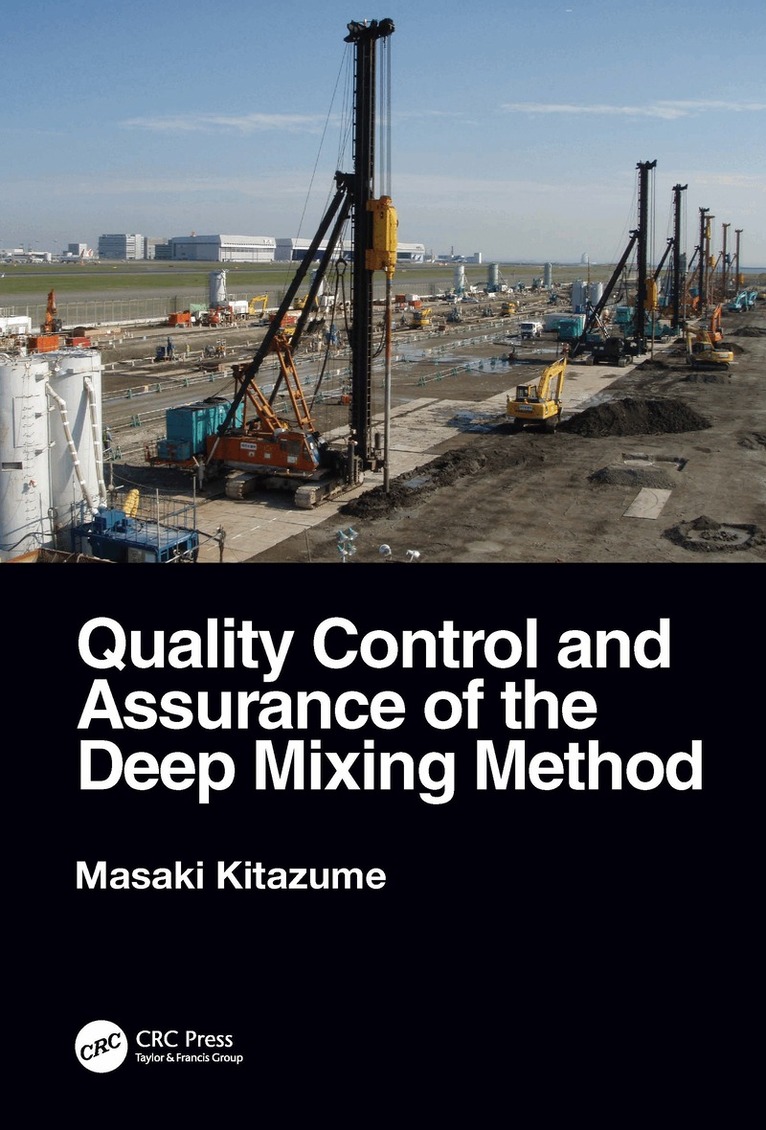
Quality Control and Assurance of the Deep Mixing Method
E-bok, 2022
1711 kr
Lägg i varukorg
The deep mixing (DM) method developed in Japan and Sweden in the 1970s has gained popularity worldwide. The DM-improved ground is a composite system comprising stiff stabilized soil and unstabilized soft soil, which necessitates geotechnical engineers to fully understand the interaction of …
Quality Control and Assurance of the Deep Mixing Method
E-bok, 2022
1749 kr
Lägg i varukorg
The deep mixing (DM) method developed in Japan and Sweden in the 1970s has gained popularity worldwide. The DM-improved ground is a composite system comprising stiff stabilized soil and unstabilized soft soil, which necessitates geotechnical engineers to fully understand the interaction of …
Quality Control and Assurance of the Deep Mixing Method
Inbunden, 2022
1520 kr
Lägg i varukorg
The deep mixing (DM) method developed in Japan and Sweden in the 1970s has gained popularity worldwide. The DM-improved ground is a composite system comprising stiff stabilized soil and unstabilized soft soil, which necessitates geotechnical engineers to fully understand the interaction of …
Quality Control and Assurance of the Deep Mixing Method
Häftad, 2026
810 kr
Kommande
The deep mixing (DM) method developed in Japan and Sweden in the 1970s has gained popularity worldwide. The DM-improved ground is a composite system comprising stiff stabilized soil and unstabilized soft soil, which necessitates geotechnical engineers to fully understand the interaction of …
Deep Mixing Method
Av Masaaki Terashi, Masaki Kitazume
E-bok, 2013
1542 kr
Lägg i varukorg
The Deep Mixing Method (DMM), a deep in-situ soil stabilization technique using cement and/or lime as a stabilizing agent, was developed in Japan and in the Nordic countries independently in the 1970s. Numerous research efforts have been made in these areas investigating properties of treated soil, …
Deep Mixing Method
Av Masaki Kitazume, Masaaki Terashi
Inbunden, 2013
3427 kr
Lägg i varukorg
The Deep Mixing Method (DMM), a deep in-situ soil stabilization technique using cement and/or lime as a stabilizing agent, was developed in Japan and in the Nordic countries independently in the 1970s. Numerous research efforts have been made in these areas investigating properties of treated soil, …
Pneumatic Flow Mixing Method
Inbunden, 2016
2704 kr
Lägg i varukorg
The pneumatic flow mixing method was developed to stabilize dredged soil and surplus soil for promoting their beneficial use in 1999. The pneumatic flow mixing method is a new type of the ex-situ cement stabilization techniques, in which dredged soil and surplus soil is mixed with a relatively …
Deep Mixing Method
Av Masaki Kitazume, Masaaki Terashi
Häftad, 2017
1331 kr
Lägg i varukorg
The Deep Mixing Method (DMM), a deep in-situ soil stabilization technique using cement and/or lime as a stabilizing agent, was developed in Japan and in the Nordic countries independently in the 1970s. Numerous research efforts have been made in these areas investigating properties of treated soil, …
Pneumatic Flow Mixing Method
E-bok, 2016
953 kr
Lägg i varukorg
The pneumatic flow mixing method was developed to stabilize dredged soil and surplus soil for promoting their beneficial use in 1999. The pneumatic flow mixing method is a new type of the ex-situ cement stabilization techniques, in which dredged soil and surplus soil is mixed with a relatively …
Pneumatic Flow Mixing Method
E-bok, 2016
953 kr
Lägg i varukorg
The pneumatic flow mixing method was developed to stabilize dredged soil and surplus soil for promoting their beneficial use in 1999. The pneumatic flow mixing method is a new type of the ex-situ cement stabilization techniques, in which dredged soil and surplus soil is mixed with a relatively …