Masha Shpolberg – författare
Visar alla böcker från författaren Masha Shpolberg. Handla med fri frakt och snabb leverans.
6 produkter
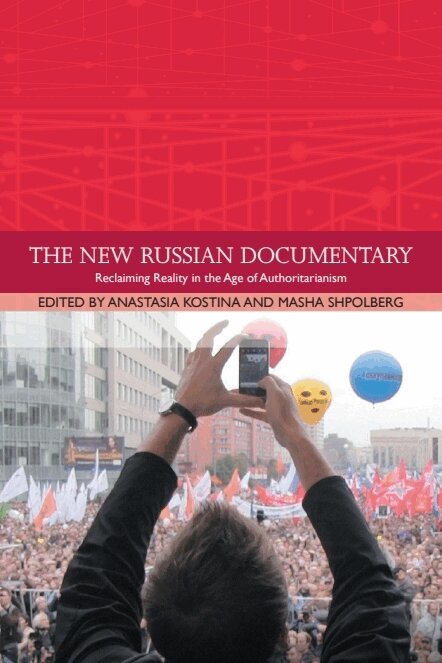
The New Russian Documentary
Reclaiming Reality in the Age of Authoritarianism
Av Masha Shpolberg, Anastasia Kostina
Inbunden, 2025
1150 kr
Lägg i varukorg
Over the last three decades, Russian filmmakers and audiences have engaged with documentary cinema with an intensity unseen since the 1920s, when Soviet documentarians helped pioneer the mode. What started as a trickle of artistically minded films in the 1990s, expanded in the 2000s to include a …
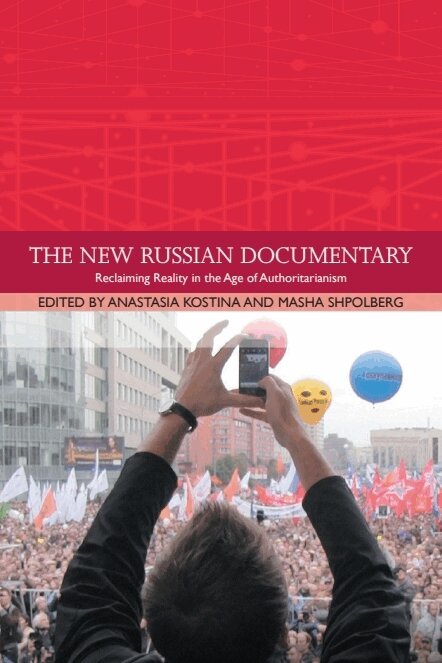
The New Russian Documentary
Reclaiming Reality in the Age of Authoritarianism
Av Masha Shpolberg, Anastasia Kostina
Häftad, 2026
332 kr
Lägg i varukorg
Over the last three decades, Russian filmmakers and audiences have engaged with documentary cinema with an intensity unseen since the 1920s, when Soviet documentarians helped pioneer the mode. What started as a trickle of artistically minded films in the 1990s, expanded in the 2000s to include a …
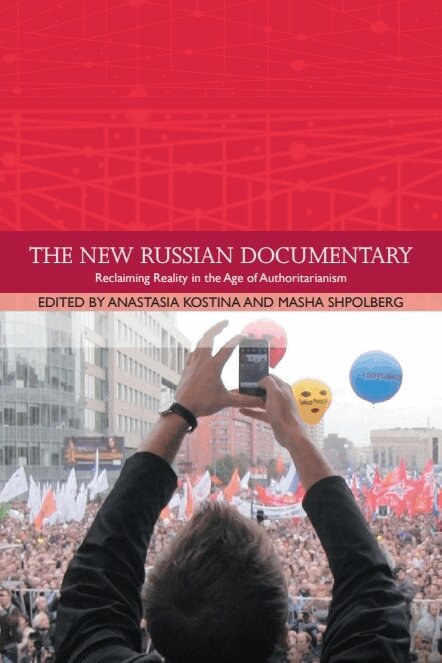
The New Russian Documentary
Reclaiming Reality in the Age of Authoritarianism
Av Masha Shpolberg, Anastasia Kostina
E-bok, 2025
1417 kr
Lägg i varukorg
Over the last three decades, Russian filmmakers and audiences have engaged with documentary cinema with an intensity unseen since the 1920s, when Soviet documentarians helped pioneer the mode. What started as a trickle of artistically minded films in the 1990s, expanded in the 2000s to include a …
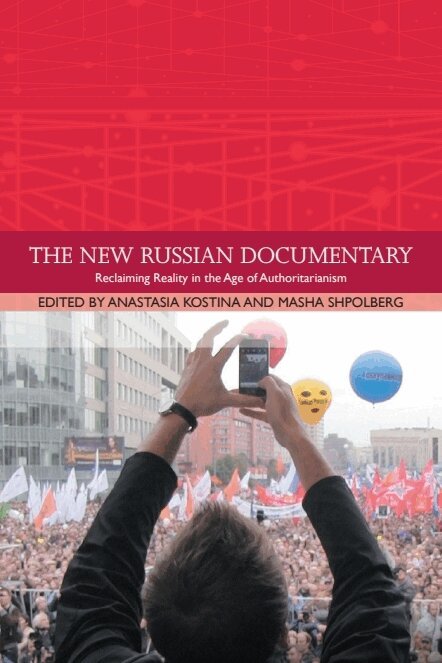
The New Russian Documentary
Reclaiming Reality in the Age of Authoritarianism
Av Masha Shpolberg, Anastasia Kostina
E-bok, 2025
1460 kr
Lägg i varukorg
Over the last three decades, Russian filmmakers and audiences have engaged with documentary cinema with an intensity unseen since the 1920s, when Soviet documentarians helped pioneer the mode. What started as a trickle of artistically minded films in the 1990s, expanded in the 2000s to include a …
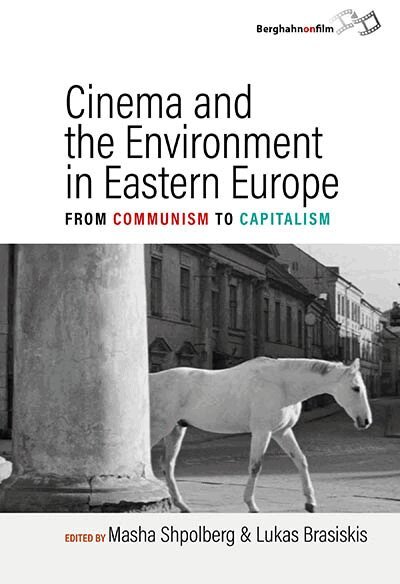
Cinema and the Environment in Eastern Europe
From Communism to Capitalism
Av Masha Shpolberg, Lukas Brasiskis
Inbunden, 2023
1921 kr
Lägg i varukorg
The annexation of Eastern Europe to the Soviet sphere after World War II dramatically reshaped popular understandings of the natural environment. With an eco-critical approach, Cinema and the Environment in Eastern Europe breaks new ground in documenting how filmmakers increasingly saw cinema as a …
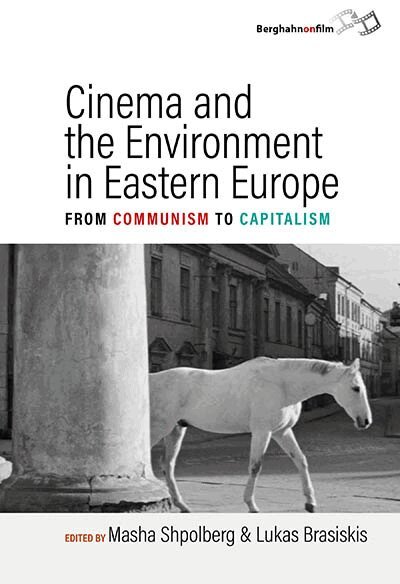
Cinema and the Environment in Eastern Europe
From Communism to Capitalism
Av Masha Shpolberg, Lukas Brasiskis
Häftad, 2026
284 kr
Lägg i varukorg
The annexation of Eastern Europe to the Soviet sphere after World War II dramatically reshaped popular understandings of the natural environment. With an eco-critical approach, Cinema and the Environment in Eastern Europe breaks new ground in documenting how filmmakers increasingly saw cinema as a …