Massimiliano Di Luca - Böcker
Visar alla böcker från författaren Massimiliano Di Luca. Handla med fri frakt och snabb leverans.
2 produkter
2 produkter
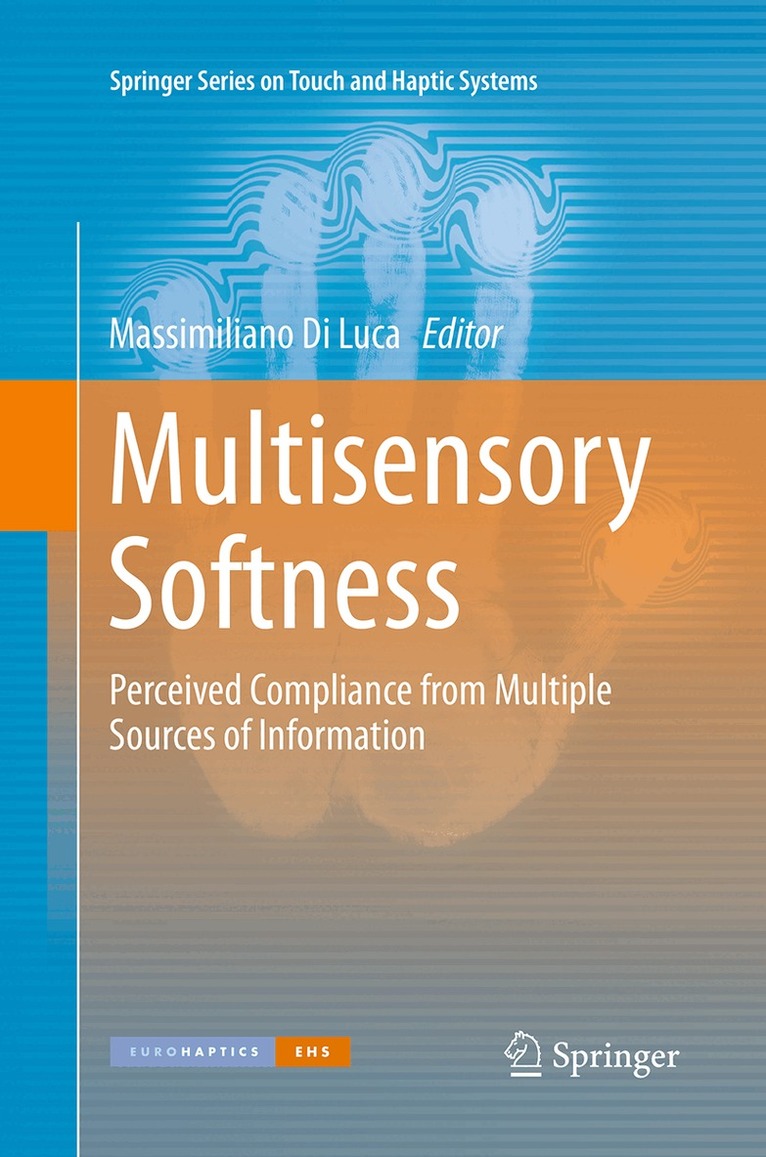
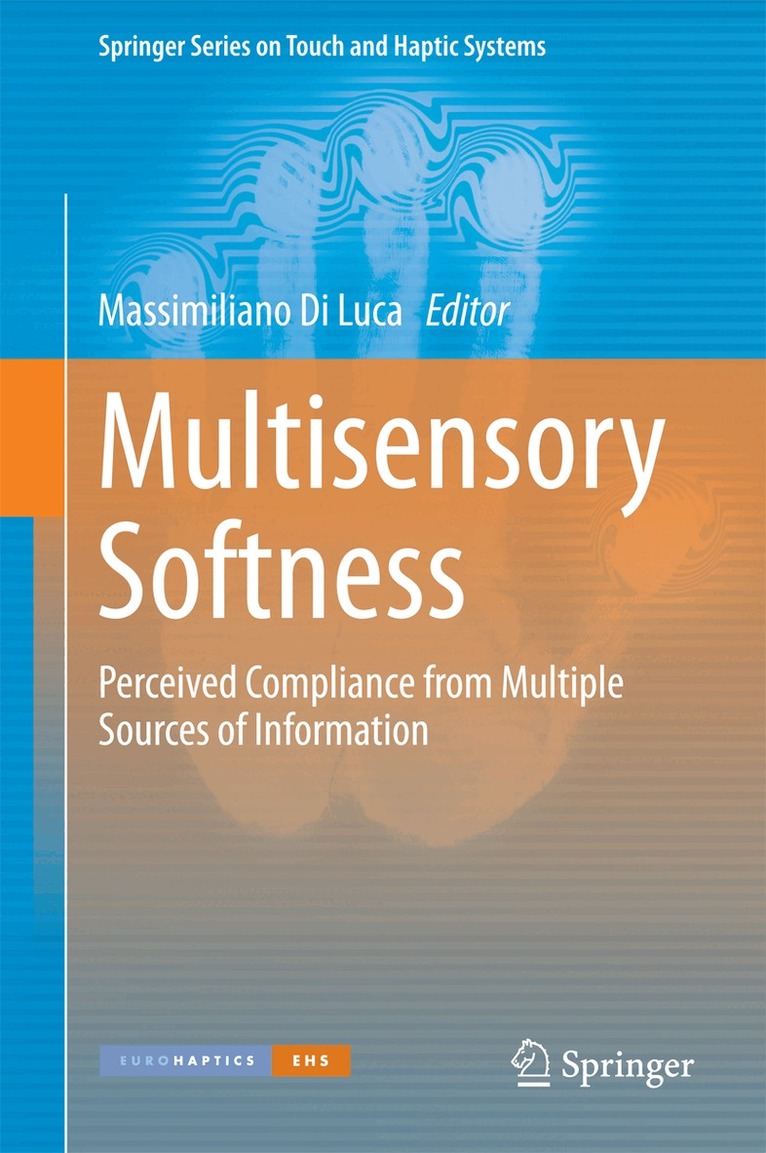
Multisensory Softness
Perceived Compliance from Multiple Sources of Information
Inbunden, Engelska, 2014
534 kr
Skickas inom 10-15 vardagar
Offers a unique multidisciplinary overview of how humans interact with soft objects and how multiple sensory signals are used to perceive material properties, with an emphasis on object deformability. The authors describe a range of setups that have been employed to study and exploit sensory signals involved in interactions with compliant objects as well as techniques to simulate and modulate softness – including a psychophysical perspective of the field.Multisensory Softness focuses on the cognitive mechanisms underlying the use of multiple sources of information in softness perception. Divided into three sections, the first Perceptual Softness deals with the sensory components and computational requirements of softness perception, the second Sensorimotor Softness looks at the motor components of the interaction with soft objects and the final part Artificial Softness focuses on the identification of exploitable guidelines to help replicate softness in artificial environments.
Multisensory Softness
Perceived Compliance from Multiple Sources of Information
Häftad, Engelska, 2016
534 kr
Skickas inom 10-15 vardagar
Offers a unique multidisciplinary overview of how humans interact with soft objects and how multiple sensory signals are used to perceive material properties, with an emphasis on object deformability. The authors describe a range of setups that have been employed to study and exploit sensory signals involved in interactions with compliant objects as well as techniques to simulate and modulate softness – including a psychophysical perspective of the field.Multisensory Softness focuses on the cognitive mechanisms underlying the use of multiple sources of information in softness perception. Divided into three sections, the first Perceptual Softness deals with the sensory components and computational requirements of softness perception, the second Sensorimotor Softness looks at the motor components of the interaction with soft objects and the final part Artificial Softness focuses on the identification of exploitable guidelines to help replicate softness in artificial environments.