Massimo Poncino - Böcker
Visar alla böcker från författaren Massimo Poncino. Handla med fri frakt och snabb leverans.
4 produkter
4 produkter
1 095 kr
Skickas inom 10-15 vardagar
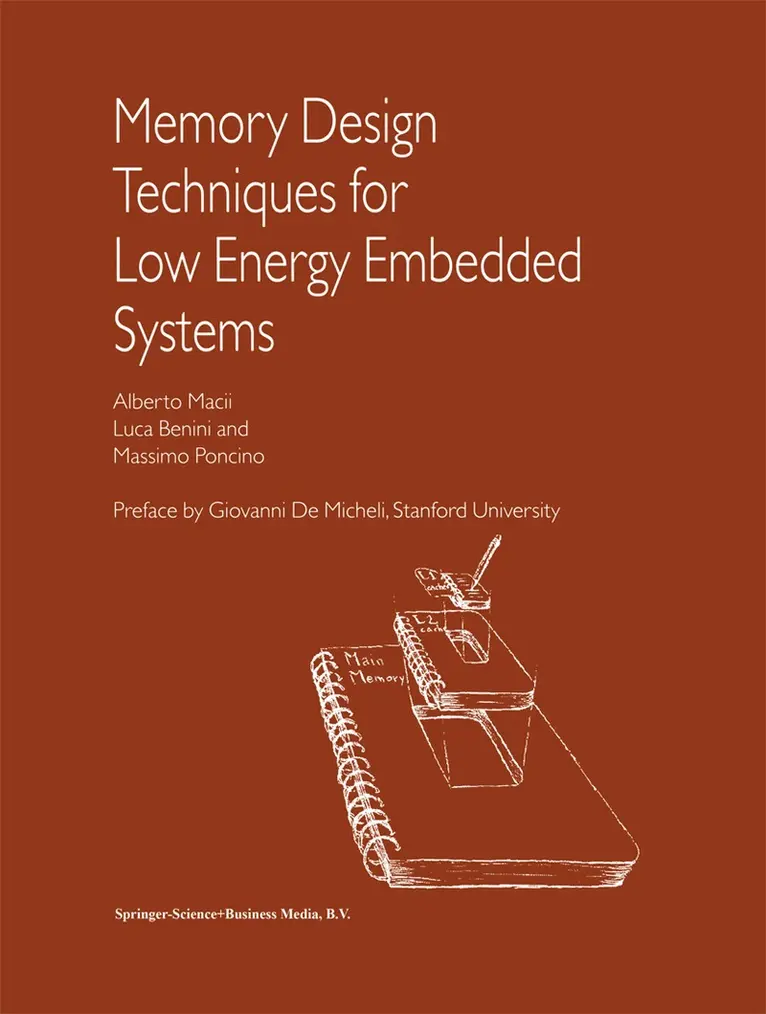
The proliferation of embedded systems, and the corresponding new chip and chip set designs, have brought additional attention to storage units. Indeed, the heterogeneity of components and structures within embedded systems and the possibility of using application-specific storage systems has added a new dimension to memory system design. Moreover, new degrees of freedom have been opened since the introduction of embedded memory arrays in different technologies, such as SRAMs, DRAMs and EEPROMs and Flash, and their realization on the same silicon substate hosting processing units. Embedded systems are often designed under stringent energy consumption budgets, to limit heat generation and battery size. Since memory systems consume a significant amount of energy to store and to forward data, it is then imperative to balance power consumption and performance in memory system design. Contemporary system design focuses on the trade off between performance and energy consumption in processing and storage units, as well as in their interconnections.While memory design is as important as processor design in achieving the desired design objectives, the former topic has received less attention than the latter in the literature. This text centres one of the most outstanding problems in chip design for embedded application. It guides the reader through different memory organizations and technologies and it reviews the most successful strategies for optimizing them in the power and performance plane.
1 064 kr
Skickas inom 10-15 vardagar
Memory Design Techniques for Low Energy Embedded Systems centers one of the most outstanding problems in chip design for embedded application. It guides the reader through different memory organizations and technologies and it reviews the most successful strategies for optimizing them in the power and performance plane.
1 064 kr
Skickas inom 10-15 vardagar
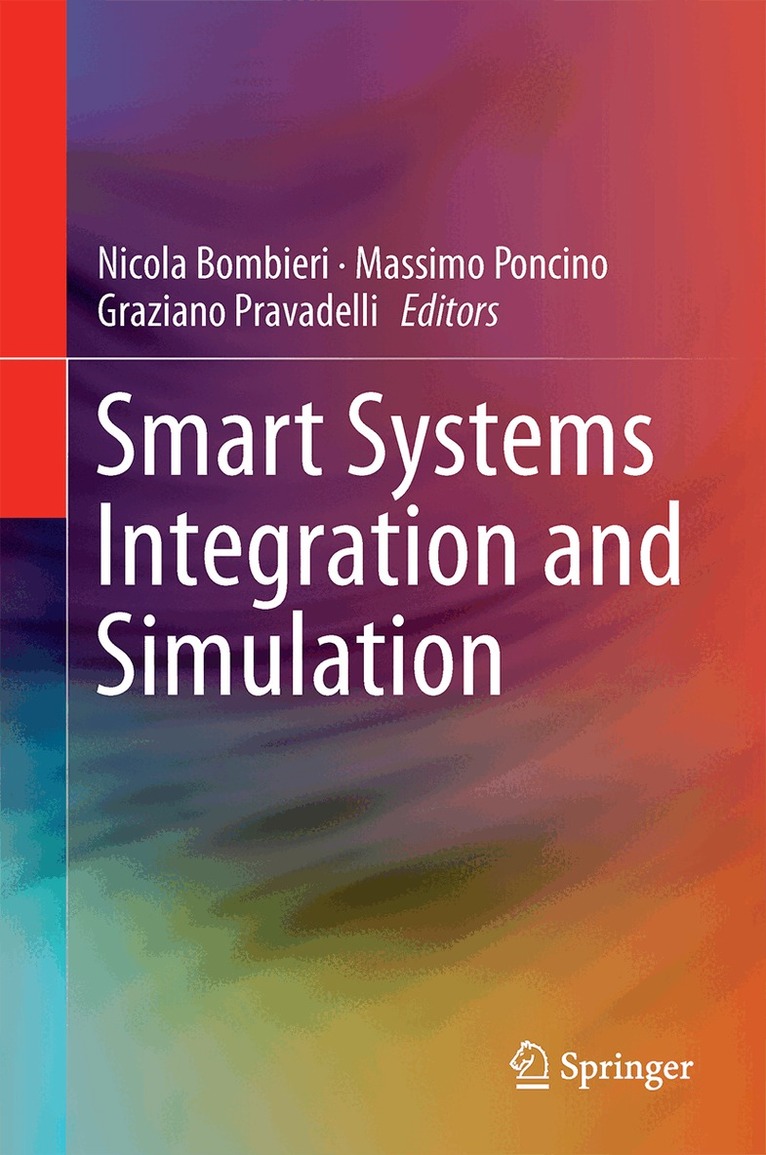
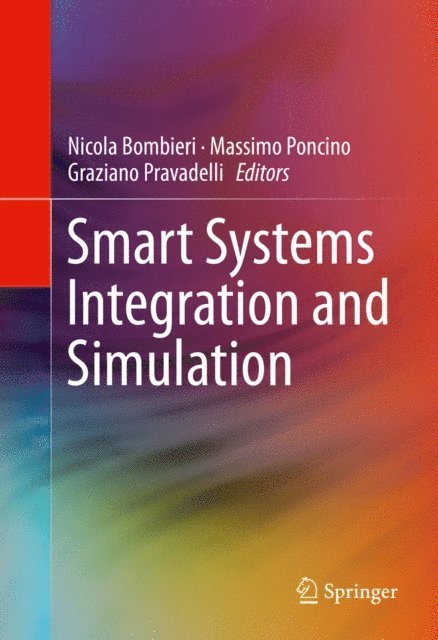
This book-presents new methods and tools for the integration and simulation of smart devices. The design approach described in this book explicitly accounts for integration of Smart Systems components and subsystems as a specific constraint. It includes methodologies and EDA tools to enable multi-disciplinary and multi-scale modeling and design, simulation of multi-domain systems, subsystems and components at all levels of abstraction, system integration and exploration for optimization of functional and non-functional metrics. By covering theoretical and practical aspects of smart device design, this book targets people who are working and studying on hardware/software modelling, component integration and simulation under different positions (system integrators, designers, developers, researchers, teachers, students etc.). In particular, it is a good introduction to people who have interest in managing heterogeneous components in an efficient and effective wayon different domains and different abstraction levels. People active in smart device development can understand both the current status of practice and future research directions.· Provides a comprehensive overview of smart systems design, focusing on design challenges and cutting-edge solutions;· Enables development of a co-simulation and co-design environment that accounts for the peculiarities of the basic subsystems and components to be integrated;· Describes development of modeling and design techniques, methods and tools that enable multi-domain simulation and optimization at various levels of abstraction and across different technological domains.
1 169 kr
Skickas inom 10-15 vardagar
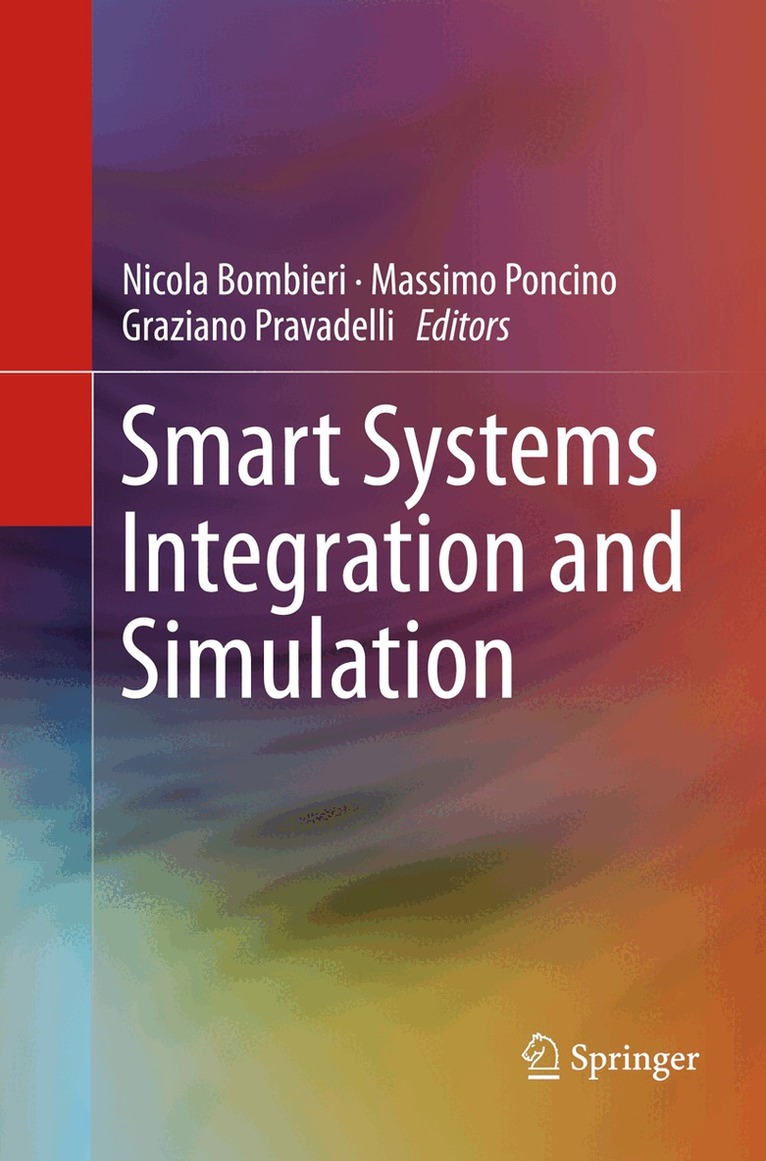
This book-presents new methods and tools for the integration and simulation of smart devices. The design approach described in this book explicitly accounts for integration of Smart Systems components and subsystems as a specific constraint. It includes methodologies and EDA tools to enable multi-disciplinary and multi-scale modeling and design, simulation of multi-domain systems, subsystems and components at all levels of abstraction, system integration and exploration for optimization of functional and non-functional metrics. By covering theoretical and practical aspects of smart device design, this book targets people who are working and studying on hardware/software modelling, component integration and simulation under different positions (system integrators, designers, developers, researchers, teachers, students etc.). In particular, it is a good introduction to people who have interest in managing heterogeneous components in an efficient and effective wayon different domains and different abstraction levels. People active in smart device development can understand both the current status of practice and future research directions.· Provides a comprehensive overview of smart systems design, focusing on design challenges and cutting-edge solutions;· Enables development of a co-simulation and co-design environment that accounts for the peculiarities of the basic subsystems and components to be integrated;· Describes development of modeling and design techniques, methods and tools that enable multi-domain simulation and optimization at various levels of abstraction and across different technological domains.