Massoumeh Torfeh – författare
Visar alla böcker från författaren Massoumeh Torfeh. Handla med fri frakt och snabb leverans.
6 produkter
6 produkter
E-bok
PDF, Engelska, 2013394 kr
Läs direkt efter köp
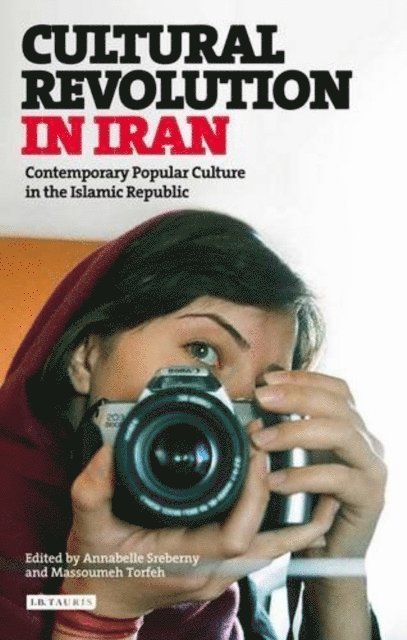
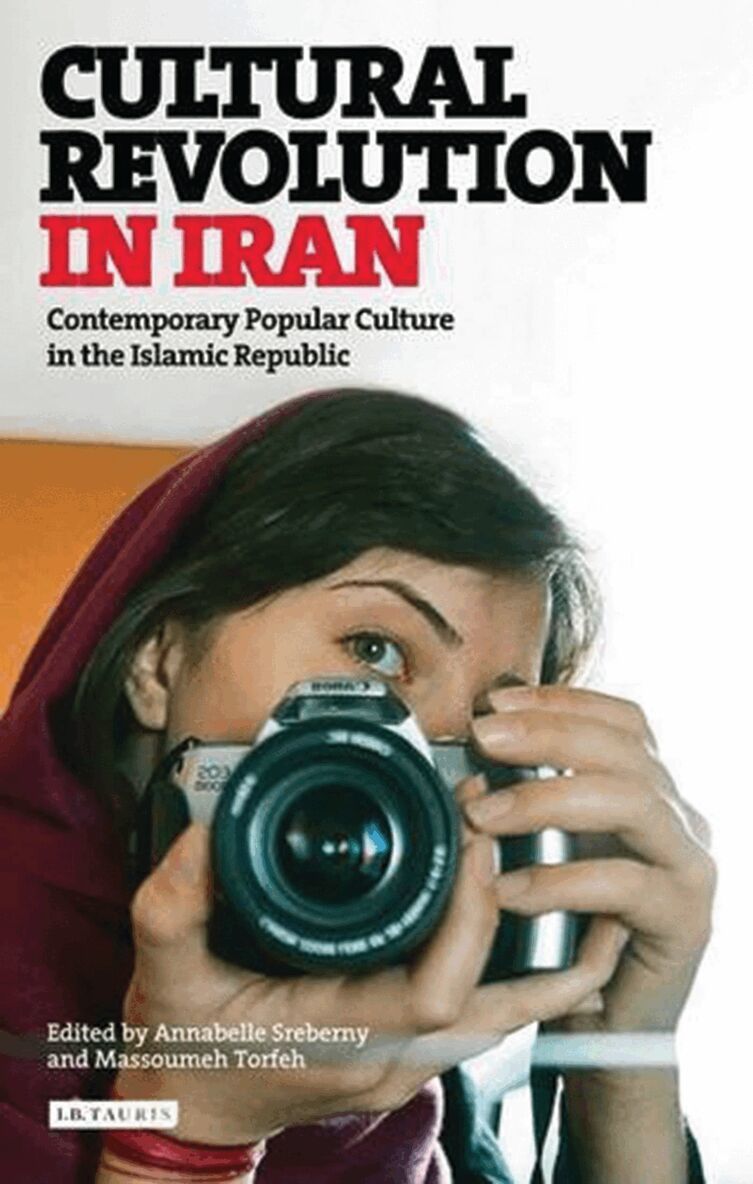
The Islamic Republic of Iran has entered its fourth decade, and the values and legacy of the Revolution it was founded upon continue to have profound and contradictory consequences for Iranian life. Despite the repressive power of the current regime the immense creativity of popular cultural practices, that negotiate and resist a repressive system, is a potent and dynamic force. This book draws on the expertise and experience of Iranian and international academics and activists to address diverse areas of social and cultural innovation that are driving change and progress. While religious conservatism remains the creed of the establishment, this volume uncovers an underground world of new technology, media and entertainment that speaks to women seeking a greater public role and a restless younger generation that organises and engages with global trends online.
E-bok
PDF, Engelska, 20141 513 kr
Läs direkt efter köp
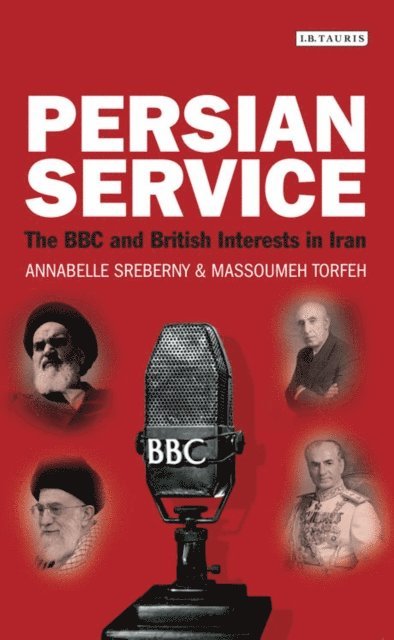
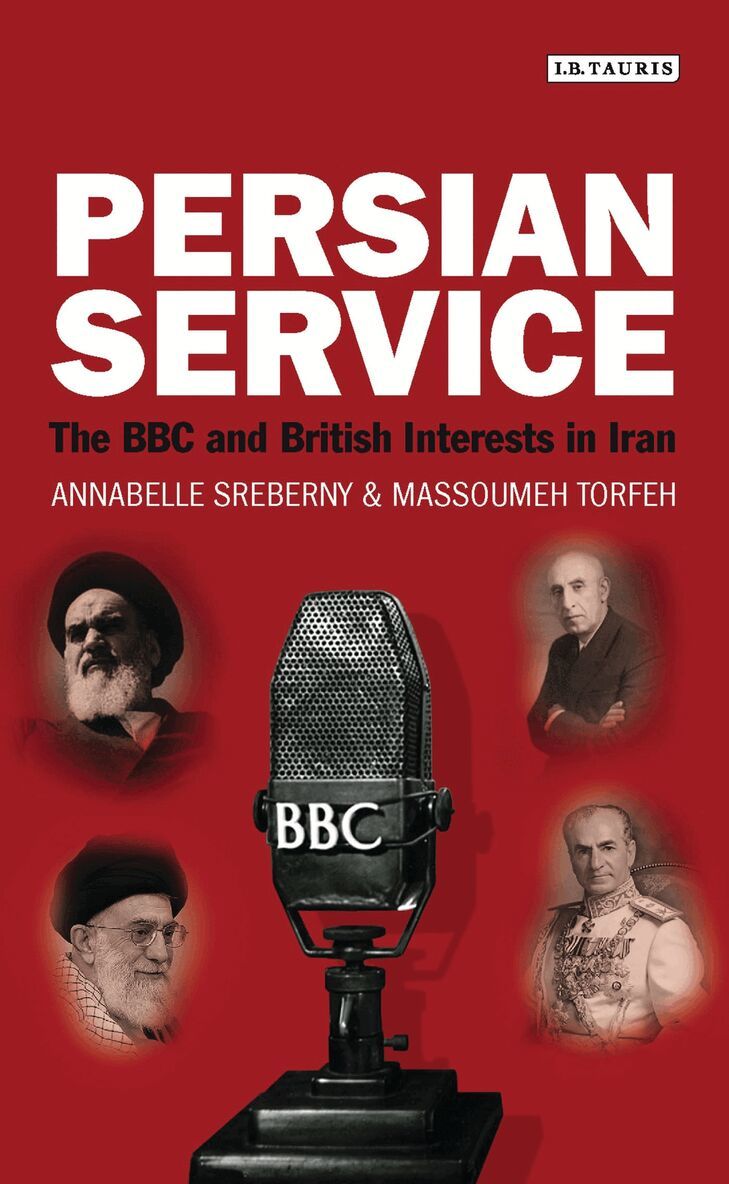
Rumour and speculation in Iran have been rife for generations that the BBC has had a hand in every political upheaval in the country. In this vein the BBC has become a notable element in the complex and tortured narrative of Anglo-Iranian relations. The BBC Persian Service was initially developed in 1940 to prepare and broadcast British war-time propaganda. And it has since been seen by many in Iran as an integral part of British policy-making in the region. Thirty years ago, the Shah of Iran regarded the BBC Persian Service radio as his 'enemy number one' and held it responsible for promoting the revolution of 1979. Only a couple decades earlier, the BBC Persian Service was widely accused for having been complicit in the CIA-led 1953 coup against Prime Minister Mohammad Musaddiq. And a decade earlier, the BBC Persian Service was strongly linked to the British-planned removal of Reza Shah in 1941. The BBC Persian service has frequently been perceived as an entity which was not simply a vehicle to record the changes occurring in Iran and throughout the Middle East, but rather an active agent of change.In this book, Annabelle Sreberny and Massoumeh Torfeh track the history of the BBC Persian Service, critically analysing both the assumptions that the BBC is a standard bearer for objective reporting and representations of it as a simple tool of Western interests. Also examining the history of relations between the Foreign Office and the BBC Persian Service, they demonstrate that these have never been pre-defined or rigid. Instead, they explore how both institutions have moved from an interest in what can crudely be called state-orchestrated 'propaganda' to a more subtle advocacy of fair and balanced journalism as the best agent of British values and influence.
405 kr
Läs direkt efter köp
The Islamic Republic of Iran is several decades into its existence and the values and legacy of the Revolution upon which it was founded continue to have profound and contradictory consequences for everyday Iranian life. Despite a powerful system of surveillance and control, an extremely lively cultural milieu exists in the country, utilising many different forms of expression, including film, theatre, music and dance. Cultural Revolution in Iran examines the diverse areas of social andcultural innovation that are driving change and progress, both negotiating and resisting government policies and censorship. While religious conservatism remains the creed of the establishment, this volume uncovers a hidden world of new technologies, social media and entertainment that speaks both to women seeking a greater public role and to a restlessyounger generation that organises and engages with global trends online. In this volume, Annabelle Sreberny and Massoumeh Torfeh highlight the huge range of cultural activities which allow Iranians to express themselves, voice their coded opinions in between the 'red lines' of censorship and even engage in social and civil disobedience. From film to rockmusic and from painting to video games, there is a vast array of cultural expression and dissent that often eludes the international observer. For example, film production in Iran is highThe Islamic Republic of Iran is several decades into its existence and the values and legacy of the Revolution upon which it was founded continue to have profound and contradictory consequences for everyday Iranian life. Despite a powerful system of surveillance and control, an extremely lively cultural milieu exists in the country, utilising many different forms of expression, including film, theatre, music and dance. Cultural Revolution in Iran examines the diverse areas of social and cultural innovation that are driving change and progress, both negotiating and resisting government policies and censorship. While religious conservatism remains the creed of the establishment, this volume uncovers a hidden world of new technologies, social media and entertainment that speaks both to women seeking a greater public role and to a restless younger generation that organises and engageswith global trends online. In this volume, Annabelle Sreberny and Massoumeh Torfeh highlight the huge range ofcultural activities which allow Iranians to express themselves, voice their coded opinions in between the 'red lines' of censorship and even engage in social and civil disobedience. From film to rock music and from painting to video games, there is a vast array of cultural expression and dissent that often eludes the international observer. For example, film production in Iran is high and women directors, such as Rakhshan Bani-Etemad, Samira Makhmalbaf and Manijeh Hekmat, have come to the fore, making both popular but also prize-winning films. In addition to this, there is a vibrant music scene in Iran where many performances occur literally 'underground', in private basements, as illegal activity. Sometimes an audience has to wait patiently in the auditorium for the start of a public performance – for example, to hear Morteza Shafiei conducting the Isfahan Symphony Orchestra – whilst the organisers debate with the authorities as to whether the performancecan go ahead or not. It is these activities and modes of communication and expression that are centralto this volume, making Cultural Revolution in Iran essential for those researching the modern Iranian state as well as those looking at everyday life and popular culture under authoritarian governments and women directors, such as Rakhshan Bani-Etemad, Samira Makhmalbaf and Manijeh Hekmat, have come to the fore, making both popular but alsoprize-winning films. In addition to this, there is a vibrant music scene in Iran where many performances occur literally 'underground', in private basements, as illegal activity. Sometimes an audience has to wait patiently in the auditoriumfor the start of a public performance – for example, to hear Morteza Shafiei conducting the Isfahan Symphony Orchestra – whilst the organisers debate with the authorities as to whether the performance can go ahead or not. It is these activities and modes of communication and expression that are central to this volume, making Cultural Revolution in Iranessential for those researching the modern Iranian state as well as those looking at everyday life and popular culture under authoritarian governments
E-bok
Engelska, 20141 513 kr
Läs direkt efter köp
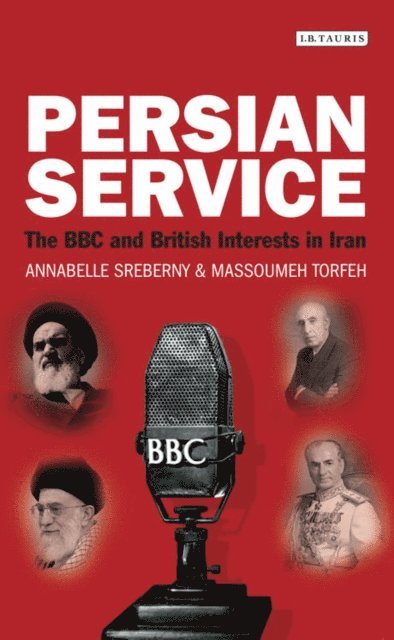
Rumour and speculation in Iran have been rife for generations that the BBC has had a hand in every political upheaval in the country. In this vein the BBC has become a notable element in the complex and tortured narrative of Anglo-Iranian relations. The BBC Persian Service was initially developed in 1940 to prepare and broadcast British war-time propaganda. And it has since been seen by many in Iran as an integral part of British policy-making in the region. Thirty years ago, the Shah of Iran regarded the BBC Persian Service radio as his 'enemy number one' and held it responsible for promoting the revolution of 1979. Only a couple decades earlier, the BBC Persian Service was widely accused for having been complicit in the CIA-led 1953 coup against Prime Minister Mohammad Musaddiq. And a decade earlier, the BBC Persian Service was strongly linked to the British-planned removal of Reza Shah in 1941. The BBC Persian service has frequently been perceived as an entity which was not simply a vehicle to record the changes occurring in Iran and throughout the Middle East, but rather an active agent of change.In this book, Annabelle Sreberny and Massoumeh Torfeh track the history of the BBC Persian Service, critically analysing both the assumptions that the BBC is a standard bearer for objective reporting and representations of it as a simple tool of Western interests. Also examining the history of relations between the Foreign Office and the BBC Persian Service, they demonstrate that these have never been pre-defined or rigid. Instead, they explore how both institutions have moved from an interest in what can crudely be called state-orchestrated 'propaganda' to a more subtle advocacy of fair and balanced journalism as the best agent of British values and influence.
Häftad, Engelska, 2017
368 kr
Skickas inom 10-15 vardagar
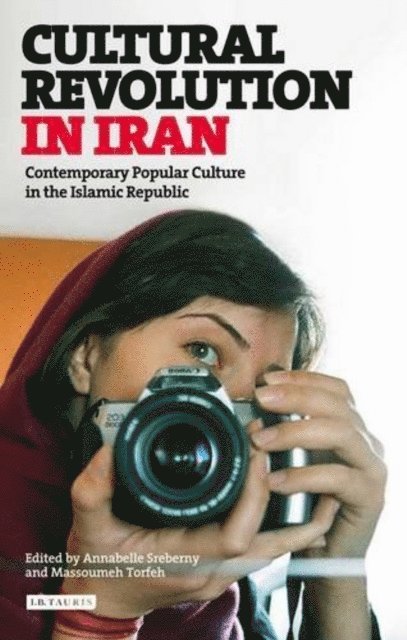
The Islamic Republic of Iran has entered its fourth decade, and the values and legacy of the Revolution it was founded upon continue to have profound and contradictory consequences for Iranian life. Despite the repressive power of the current regime the immense creativity of popular cultural practices, that negotiate and resist a repressive system, is a potent and dynamic force. This book draws on the expertise and experience of Iranian and international academics and activists to address diverse areas of social and cultural innovation that are driving change and progress. While religious conservatism remains the creed of the establishment, this volume uncovers an underground world of new technology, media and entertainment that speaks to women seeking a greater public role and a restless younger generation that organises and engages with global trends online.
Inbunden, Engelska, 2014
1 395 kr
Skickas inom 10-15 vardagar
Rumour and speculation in Iran have been rife for generations that the BBC has had a hand in every political upheaval in the country. In this vein the BBC has become a notable element in the complex and tortured narrative of Anglo-Iranian relations. The BBC Persian Service was initially developed in 1940 to prepare and broadcast British war-time propaganda. And it has since been seen by many in Iran as an integral part of British policy-making in the region. Thirty years ago, the Shah of Iran regarded the BBC Persian Service radio as his 'enemy number one' and held it responsible for promoting the revolution of 1979. Only a couple decades earlier, the BBC Persian Service was widely accused for having been complicit in the CIA-led 1953 coup against Prime Minister Mohammad Musaddiq. And a decade earlier, the BBC Persian Service was strongly linked to the British-planned removal of Reza Shah in 1941. The BBC Persian service has frequently been perceived as an entity which was not simply a vehicle to record the changes occurring in Iran and throughout the Middle East, but rather an active agent of change.In this book, Annabelle Sreberny and Massoumeh Torfeh track the history of the BBC Persian Service, critically analysing both the assumptions that the BBC is a standard bearer for objective reporting and representations of it as a simple tool of Western interests. Also examining the history of relations between the Foreign Office and the BBC Persian Service, they demonstrate that these have never been pre-defined or rigid. Instead, they explore how both institutions have moved from an interest in what can crudely be called state-orchestrated 'propaganda' to a more subtle advocacy of fair and balanced journalism as the best agent of British values and influence.