Máté Szalai - Böcker
Visar alla böcker från författaren Máté Szalai. Handla med fri frakt och snabb leverans.
4 produkter
4 produkter
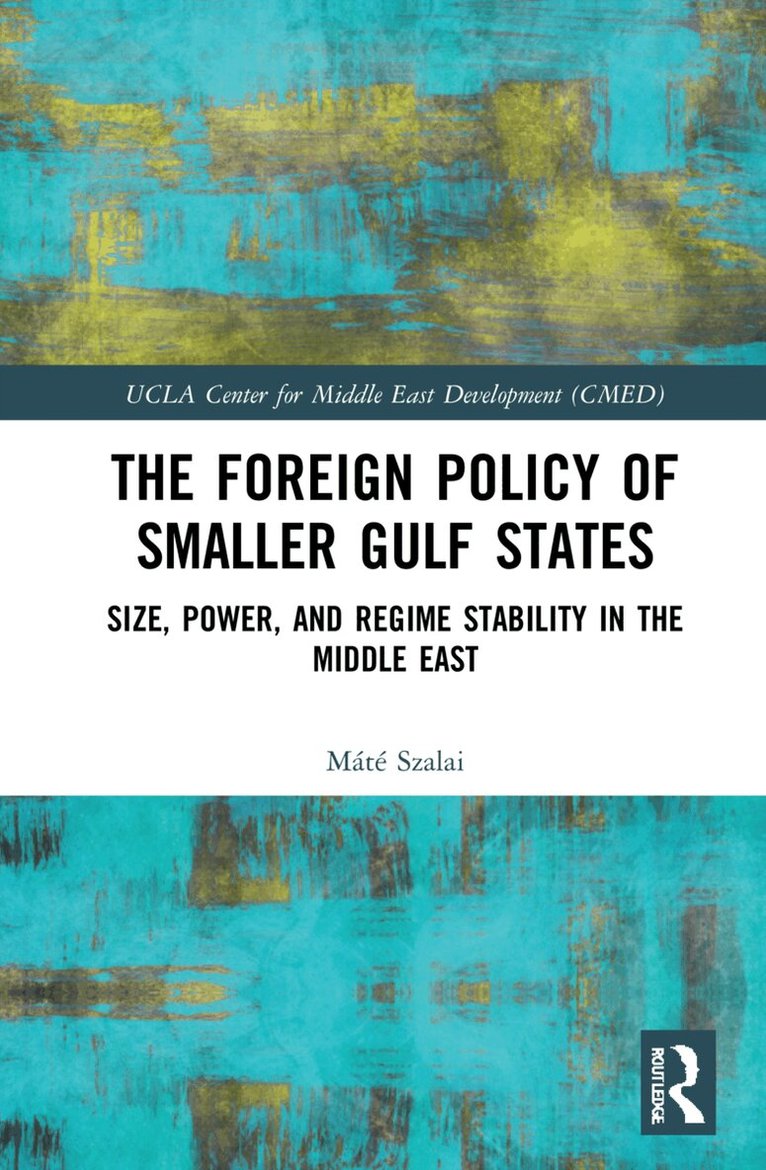
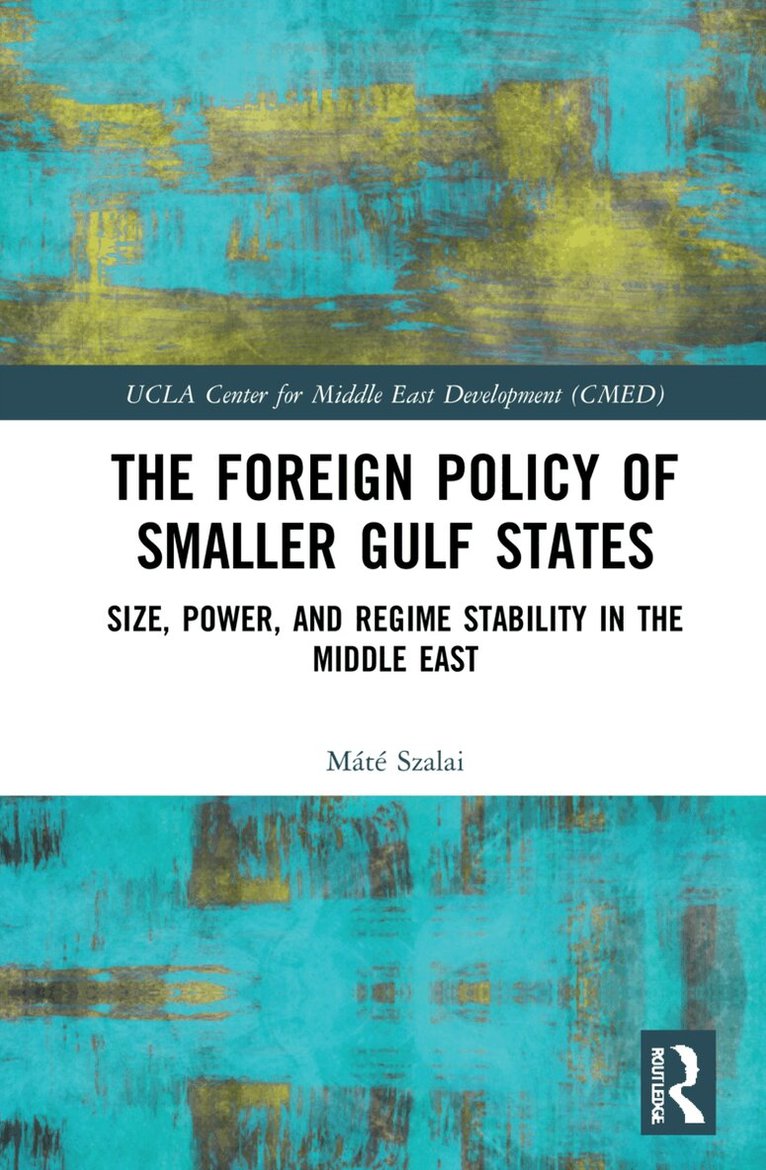
Foreign Policy of Smaller Gulf States
Size, Power, and Regime Stability in the Middle East
Inbunden, Engelska, 2021
2 100 kr
Skickas inom 10-15 vardagar
This book studies how smaller Gulf states managed to increase their influence in the Middle East, oftentimes capitalising on their smallness as a foreign policy tool. By establishing a novel theoretical framework (the complex model of size), this study identifies specific ways in which material and perceptual smallness affect power, identity, regime stability, and leverage in international politics. The small states of the Gulf (Bahrain, Kuwait, Oman, Qatar, and the United Arab Emirates) managed to build up considerable influence in regional politics over the last decade, although their size is still considered an essential, irresolvable weakness, which makes them secondary actors to great powers such as Saudi Arabia or Iran. Breaking down explicit and implicit biases towards largeness, the book examines specific case studies related to foreign and security policy behaviour, including the Gulf wars, the Arab Uprisings, the Gulf rift, and the Abraham Accords.Analysing the often-neglected small Gulf states, the volume is an important contribution to international relations theory, making it a key resource for students and academics interested in Small State Studies, Gulf studies, and the political science of the Middle East.
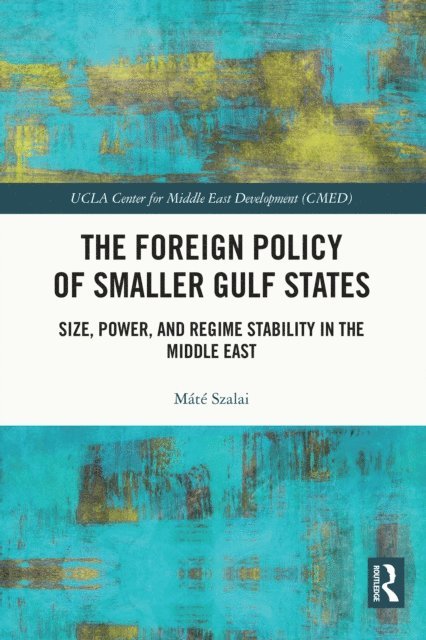
Foreign Policy of Smaller Gulf States
Size, Power, and Regime Stability in the Middle East
Häftad, Engelska, 2023
633 kr
Skickas inom 10-15 vardagar
This book studies how smaller Gulf states managed to increase their influence in the Middle East, oftentimes capitalising on their smallness as a foreign policy tool. By establishing a novel theoretical framework (the complex model of size), this study identifies specific ways in which material and perceptual smallness affect power, identity, regime stability, and leverage in international politics. The small states of the Gulf (Bahrain, Kuwait, Oman, Qatar, and the United Arab Emirates) managed to build up considerable influence in regional politics over the last decade, although their size is still considered an essential, irresolvable weakness, which makes them secondary actors to great powers such as Saudi Arabia or Iran. Breaking down explicit and implicit biases towards largeness, the book examines specific case studies related to foreign and security policy behaviour, including the Gulf wars, the Arab Uprisings, the Gulf rift, and the Abraham Accords.Analysing the often-neglected small Gulf states, the volume is an important contribution to international relations theory, making it a key resource for students and academics interested in Small State Studies, Gulf studies, and the political science of the Middle East.
1 272 kr
Skickas inom 10-15 vardagar
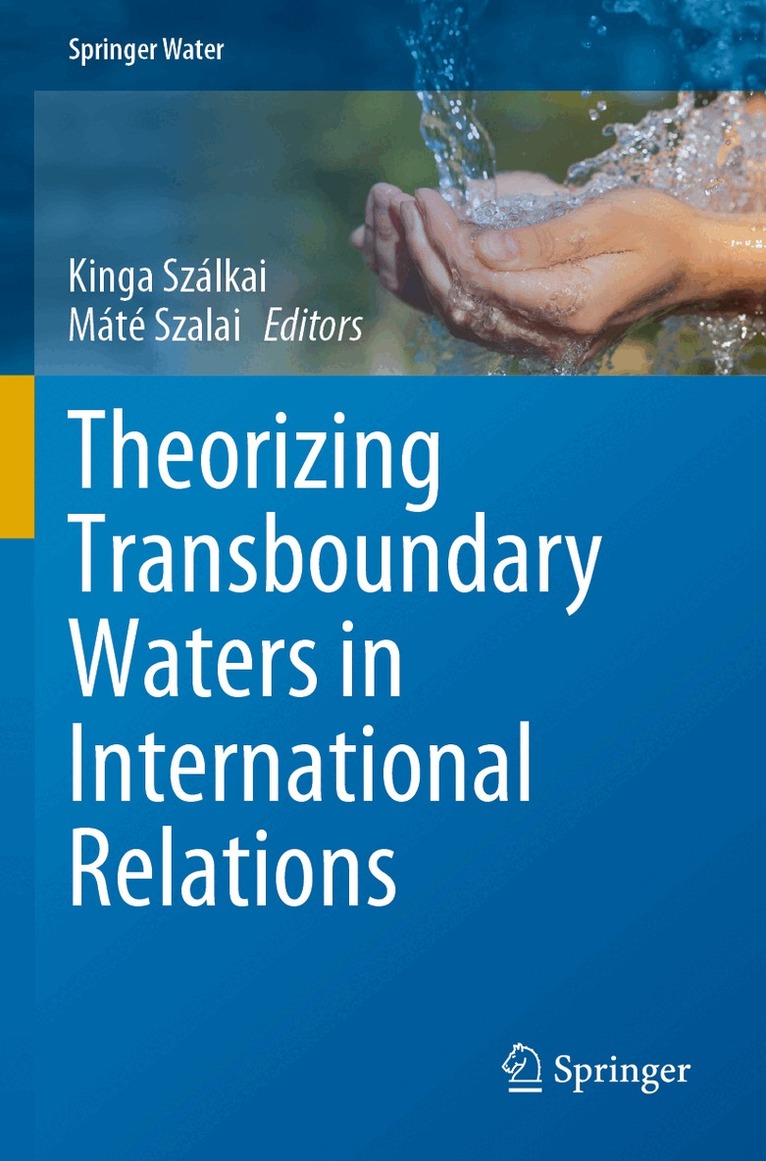
This book is the first collection of state-of-the-art research projects analyzing water conflict and cooperation with an explicitly theoretical point of view. Its fourteen chapters offer a comprehensive and up-to-date overview on how the application of various theoretical perspectives can support the work of scholars and practitioners in mitigating water conflict and developing cooperation.The volume starts out from a literature review on the theorization of transboundary waters in International Relations, which prepares the ground for the demonstration of the latest approaches of scholars currently working on this field. The discussion of their findings is divided into four main sections. The first section deals with reflections and critiques on the grand theories of International Relations, proposing new and more nuanced frameworks for understanding and managing transboundary water relations by going beyond the traditional assumptions. The second section focuses on the catalysts and barriers of cooperation, applying theoretical frameworks which reveal the consequences of the dynamics in power relations and institutional frameworks. The third section investigates into the perspectives at the intersections of theory and practice related to the most practical field within the scope of the volume: water diplomacy. The fourth section introduces new perspectives to provide specific entry points for understanding and managing water conflict and cooperation.Overall, the work intends to demonstrate that the theorization of transboundary waters can significantly contribute to the deeper understanding and the more efficient management of water conflicts and cooperation from several aspects.The authors come from diverse backgrounds, and their individual careers are often related to the intersections of theory and practice in the field of transboundary water management. Their expertise covers water issues from all around the globe, which is reflected in the range of the analyzed case studies. The diversity of the experts involved, their backgrounds, their perspectives, the applied theories, and the analyzed cases was an important priority for the editors.
1 272 kr
Skickas inom 10-15 vardagar
This book is the first collection of state-of-the-art research projects analyzing water conflict and cooperation with an explicitly theoretical point of view. Its fourteen chapters offer a comprehensive and up-to-date overview on how the application of various theoretical perspectives can support the work of scholars and practitioners in mitigating water conflict and developing cooperation.The volume starts out from a literature review on the theorization of transboundary waters in International Relations, which prepares the ground for the demonstration of the latest approaches of scholars currently working on this field. The discussion of their findings is divided into four main sections. The first section deals with reflections and critiques on the grand theories of International Relations, proposing new and more nuanced frameworks for understanding and managing transboundary water relations by going beyond the traditional assumptions. The second section focuses on the catalysts and barriers of cooperation, applying theoretical frameworks which reveal the consequences of the dynamics in power relations and institutional frameworks. The third section investigates into the perspectives at the intersections of theory and practice related to the most practical field within the scope of the volume: water diplomacy. The fourth section introduces new perspectives to provide specific entry points for understanding and managing water conflict and cooperation.Overall, the work intends to demonstrate that the theorization of transboundary waters can significantly contribute to the deeper understanding and the more efficient management of water conflicts and cooperation from several aspects.The authors come from diverse backgrounds, and their individual careers are often related to the intersections of theory and practice in the field of transboundary water management. Their expertise covers water issues from all around the globe, which is reflected in the range of the analyzed case studies. The diversity of the experts involved, their backgrounds, their perspectives, the applied theories, and the analyzed cases was an important priority for the editors.