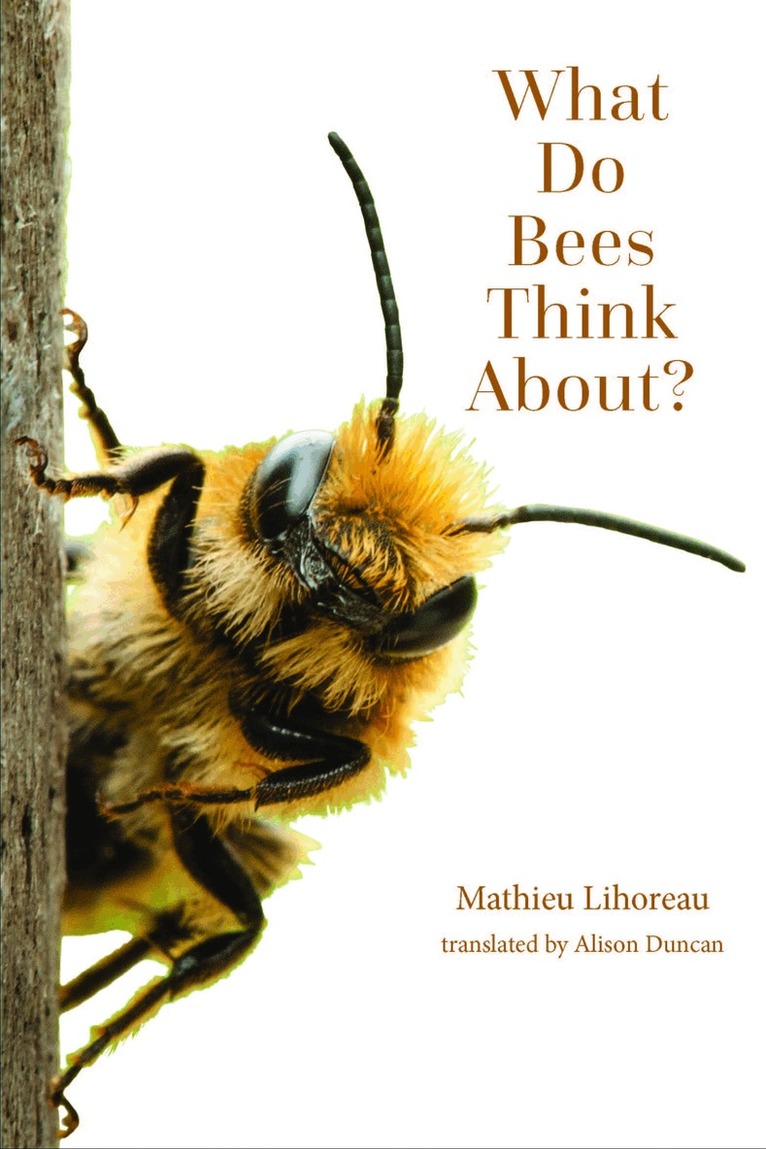
Explore the mind of a bee and learn what drives its behavior.Have you ever observed a bee up close and wondered what was going on inside its head? Like ours, insects' brains take up most of the space in their heads, but their brains are smaller than a grain of rice, only 0.0002% as large as ours. But what purpose does the insect brain serve, and how does that drive their creativity, morality, and emotions? Bees in particular exhibit unexpected and fascinating cognitive skills. In What Do Bees Think About? animal cognition researcher Mathieu Lihoreau examines a century of research into insect evolution and behavior. He explains recent scientific discoveries, recounts researchers' anecdotes, and reflects on the cognition of these fascinating creatures. Lihoreau's and others scientist's research on insects reinforces the importance of protecting and preserving insects such as bees: after all, our survival on the planet is deeply dependent on theirs. This book provides an eye-opening window into the world of insect cognition and echoes an important ecological message about bees—they are intelligent creatures sharing the same fragile ecosystem as us.
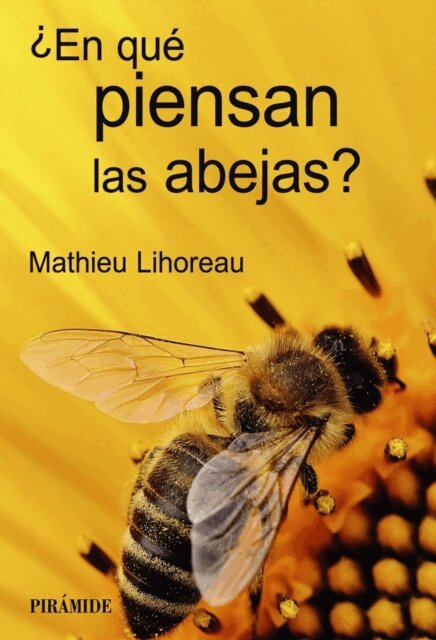
¿Alguna vez has mirado una abeja y te has preguntado qué le pasa por la cabeza? Los cerebros de los insectos ocupan la mayor parte del espacio de sus cabezas, igual que los nuestros, pero los suyos son más pequeños que un grano de arroz. ¿De qué les sirven y cómo dirigen su creatividad, moral y emociones? En esta obra, Mathieu Lihoreau revisa un siglo de investigaciones sobre la evolución y conducta de los insectos. Nos explica los últimos descubrimientos científicos, nos cuenta anécdotas de los investigadores y reflexiona sobre la capacidad cognitiva de estas fascinantes criaturas. El autor, mediante su investigación, así como la de otros científicos, nos recuerda la importancia de protegerlos y preservarlos dado que nuestra supervivencia depende de la suya. Este libro nos abre una ventana al mundo de la cognición de los insectos y nos transmite un importante mensaje ecologista sobre las abejas: inteligentes criaturas que comparten su frágil ecosistema con nosotros.
Explore the mind of a bee and learn what drives its behavior.Have you ever observed a bee up close and wondered what was going on inside its head? Like ours, insects' brains take up most of the space in their heads, but their brains are smaller than a grain of rice, only 0.0002% as large as ours. But what purpose does the insect brain serve, and how does that drive their creativity, morality, and emotions? Bees in particular exhibit unexpected and fascinating cognitive skills. In What Do Bees Think About? animal cognition researcher Mathieu Lihoreau examines a century of research into insect evolution and behavior. He explains recent scientific discoveries, recounts researchers' anecdotes, and reflects on the cognition of these fascinating creatures. Lihoreau's and others scientist's research on insects reinforces the importance of protecting and preserving insects such as bees: after all, our survival on the planet is deeply dependent on theirs. This book provides an eye-opening window into the world of insect cognition and echoes an important ecological message about bees—they are intelligent creatures sharing the same fragile ecosystem as us.
¿Alguna vez has mirado una abeja y te has preguntado qué le pasa por la cabeza? Los cerebros de los insectos ocupan la mayor parte del espacio de sus cabezas, igual que los nuestros, pero los suyos son más pequeños que un grano de arroz. ¿De qué les sirven y cómo dirigen su creatividad, moral y emociones? En esta obra, Mathieu Lihoreau revisa un siglo de investigaciones sobre la evolución y conducta de los insectos. Nos explica los últimos descubrimientos científicos, nos cuenta anécdotas de los investigadores y reflexiona sobre la capacidad cognitiva de estas fascinantes criaturas. El autor, mediante su investigación, así como la de otros científicos, nos recuerda la importancia de protegerlos y preservarlos dado que nuestra supervivencia depende de la suya. Este libro nos abre una ventana al mundo de la cognición de los insectos y nos transmite un importante mensaje ecologista sobre las abejas: inteligentes criaturas que comparten su frágil ecosistema con nosotros.