503 kr
Läs direkt efter köp
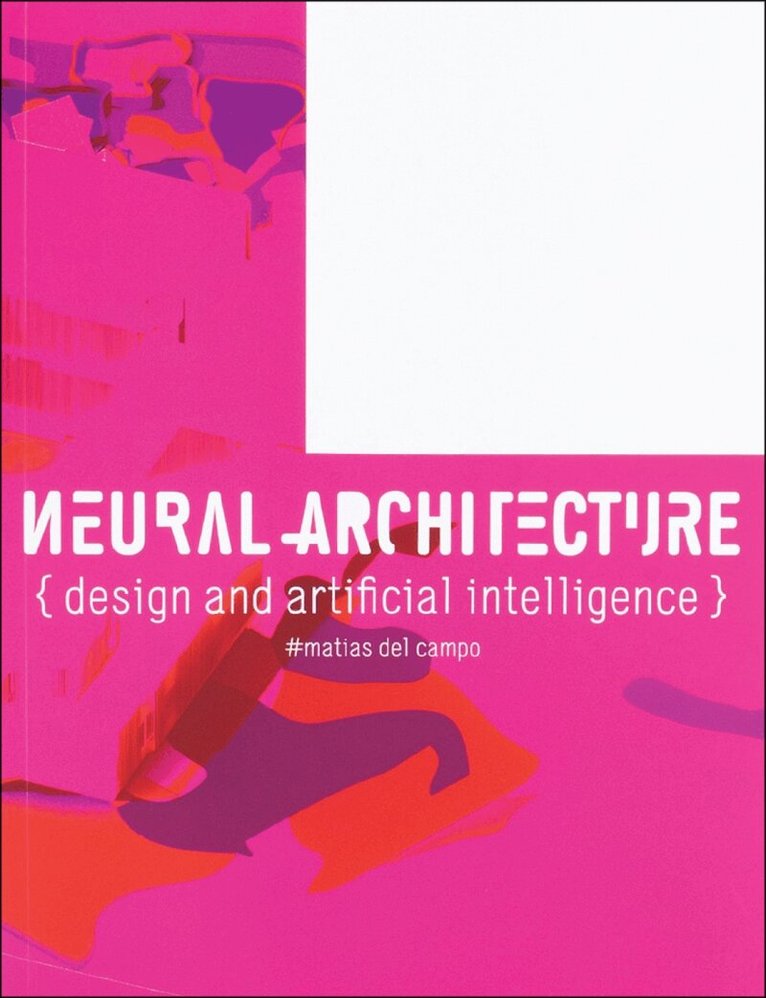
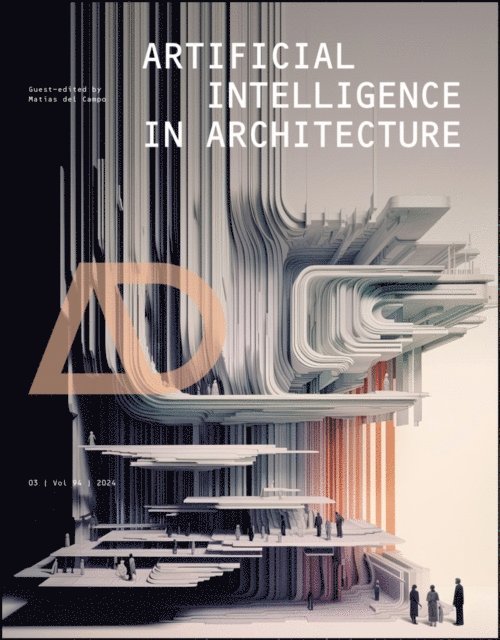
Artificial intelligence (AI) applications in architectural design have achieved a critical mass and exploded into the mainstream of architectural imaginations. From practical applications in design and constructionto the implications for architectural theory to a plethora of novel tools for accelerated morphological studies, what has become clear is that the discipline is passing a threshold that fundamentally changes architecture as a whole. However, the most radical change is the interrogation and novel discussion of authorship and agency in design ecologies driven by synthetic imaginations. What does it mean for authorship when more than 50 per cent of the content is generated by a nonhuman player? This issue seems more pressing than ever. In a world that is being transformed by AI on a daily basis, what is the role of the sole genius, and designers, artists and architects? This AD dives deep into current discussions about the human position in architectural design, which is increasingly entangled in an AI-driven design context.
Contributors: Cesare Battelli, Phil Bernstein, Mario Carpo, Benjamin Ennemoser and Ingrid Mayrhofer-Hufnagl, Sarah Fox, Wanyu He, Andrew Kudless, Ryan Vincent Manning, Sandra Manninger, Kyle Steinfeld, Andrew Witt, and Michael Young.