Matt Ridley – författare
Visar alla böcker från författaren Matt Ridley. Handla med fri frakt och snabb leverans.
50 produkter
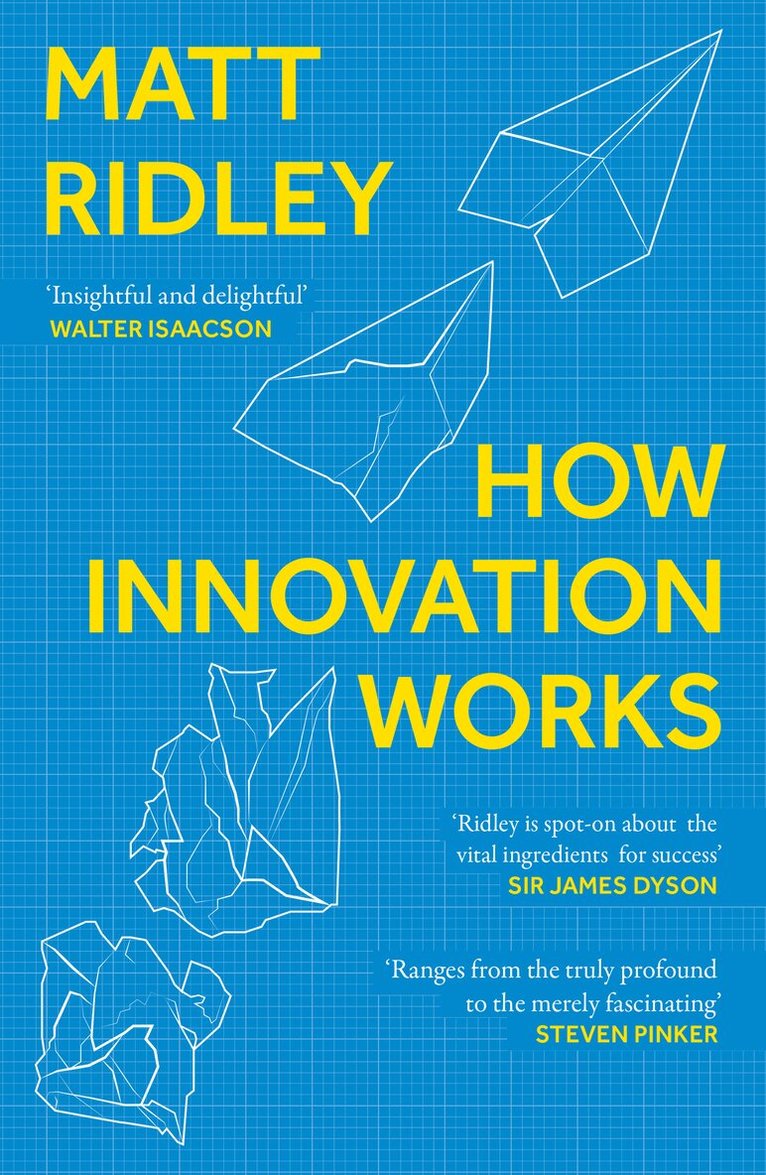
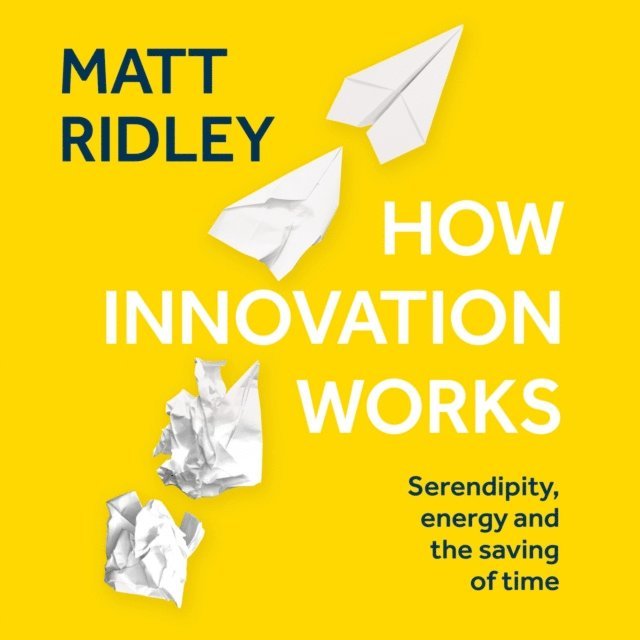
How Innovation Works
Av Matt Ridley
Häftad, 2021
5,0 utav 5 stjärnor. Totalt antal röster: (1)
137 kr
Lägg i varukorg
‘Ridley is spot-on when it comes to the vital ingredients for success’ Sir James Dyson Building on his bestseller The Rational Optimist, Matt Ridley chronicles the history of innovation, and how we need to change our thinking on the subject. Innovation is the main event of the modern age, the …
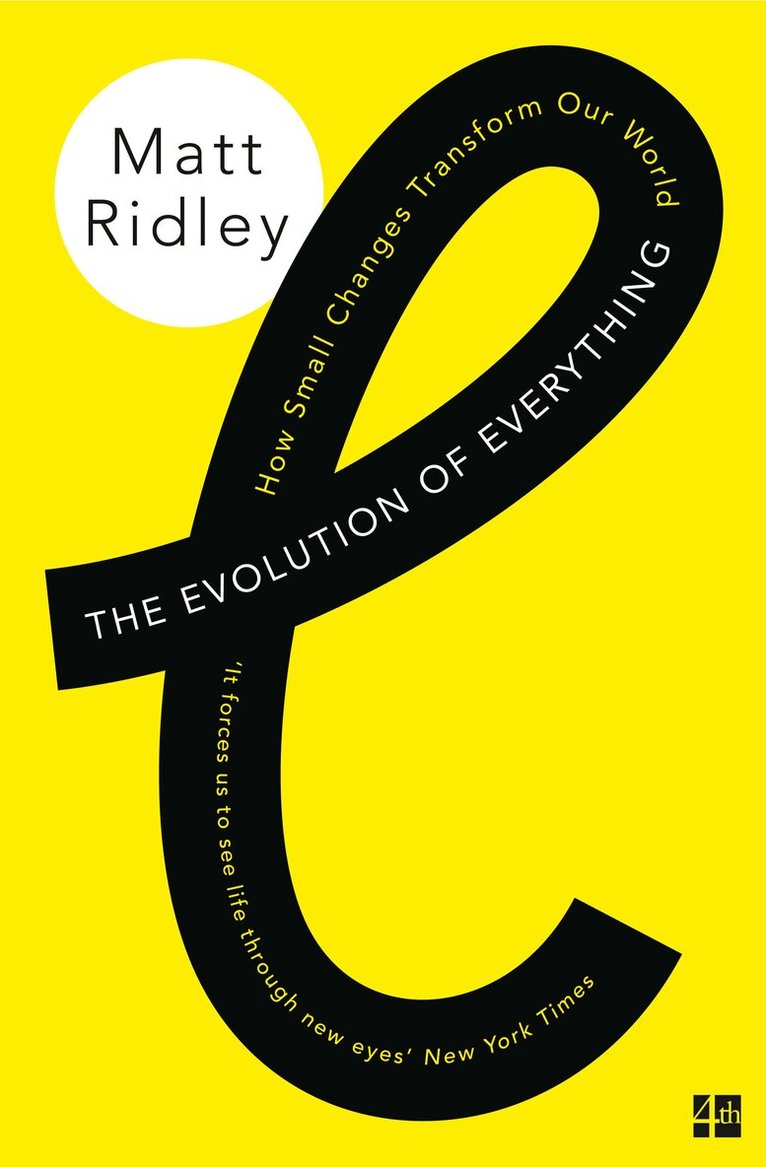
Evolution of Everything
How Small Changes Transform Our World
Av Matt Ridley
Häftad, 2016
4,5 utav 5 stjärnor. Totalt antal röster: (2)
137 kr
Lägg i varukorg
‘If there is one dominant myth about the world, one huge mistake we all make … it is that we all go around assuming the world is much more of a planned place than it is.’From the industrial revolution and the rise of China, to urbanisation and the birth of bitcoin, Matt Ridley demolishes …
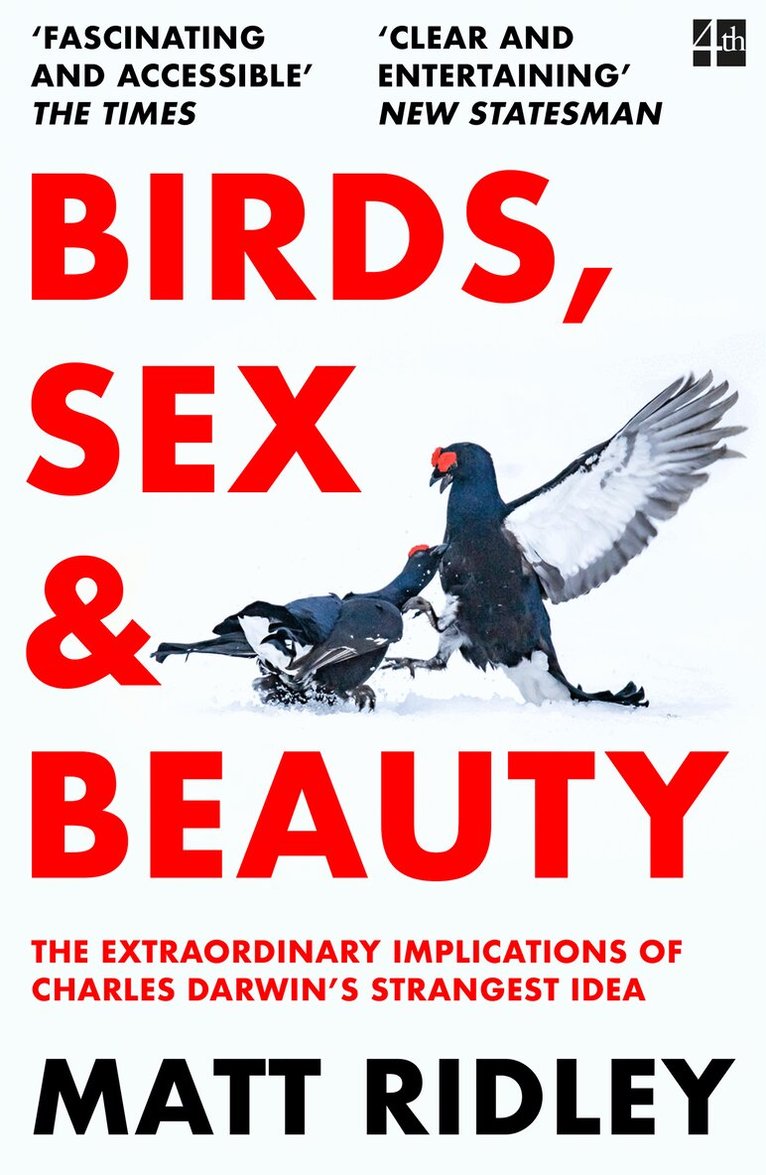
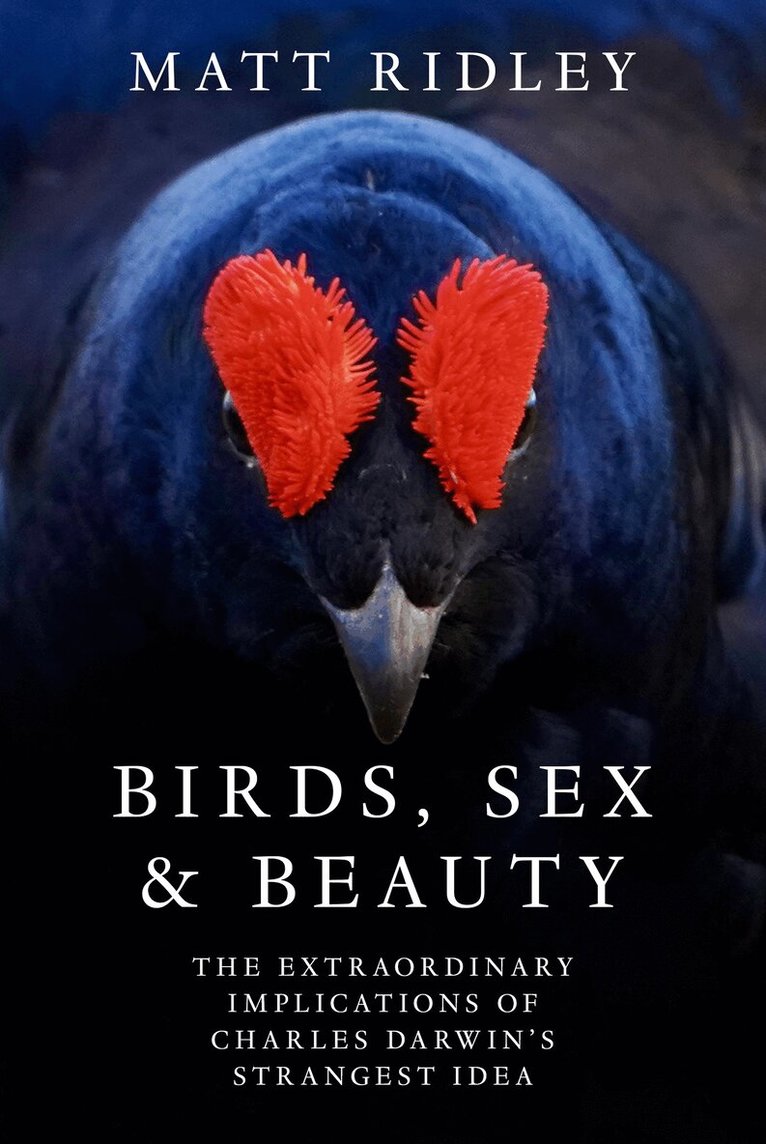
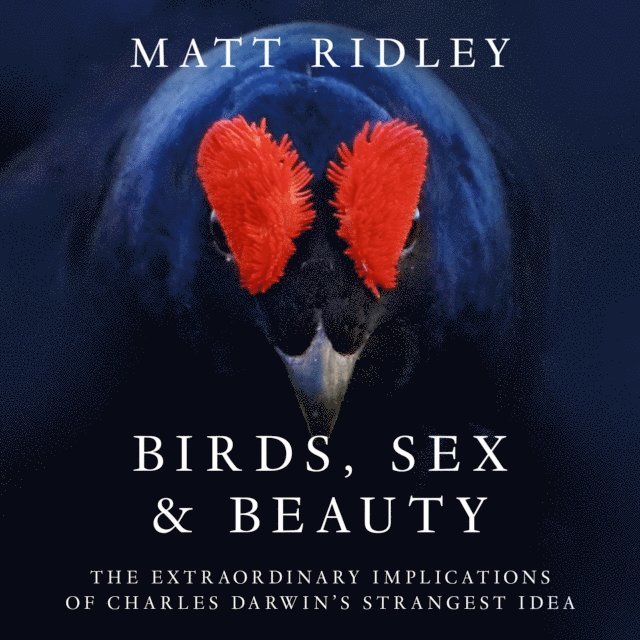
Birds, Sex and Beauty
The Extraordinary Implications of Charles Darwin’s Strangest Idea
Av Matt Ridley
Häftad, 2026
133 kr
Lägg i varukorg
In his new book, acclaimed science writer Matt Ridley looks to the peculiar mating rituals of birds to better understand the rich origins and ongoing significance of Darwin's sexual selection theory. 'FASCINATING' The Times ‘Matt Ridley is one of our finest science writers … A treat for bird lovers …
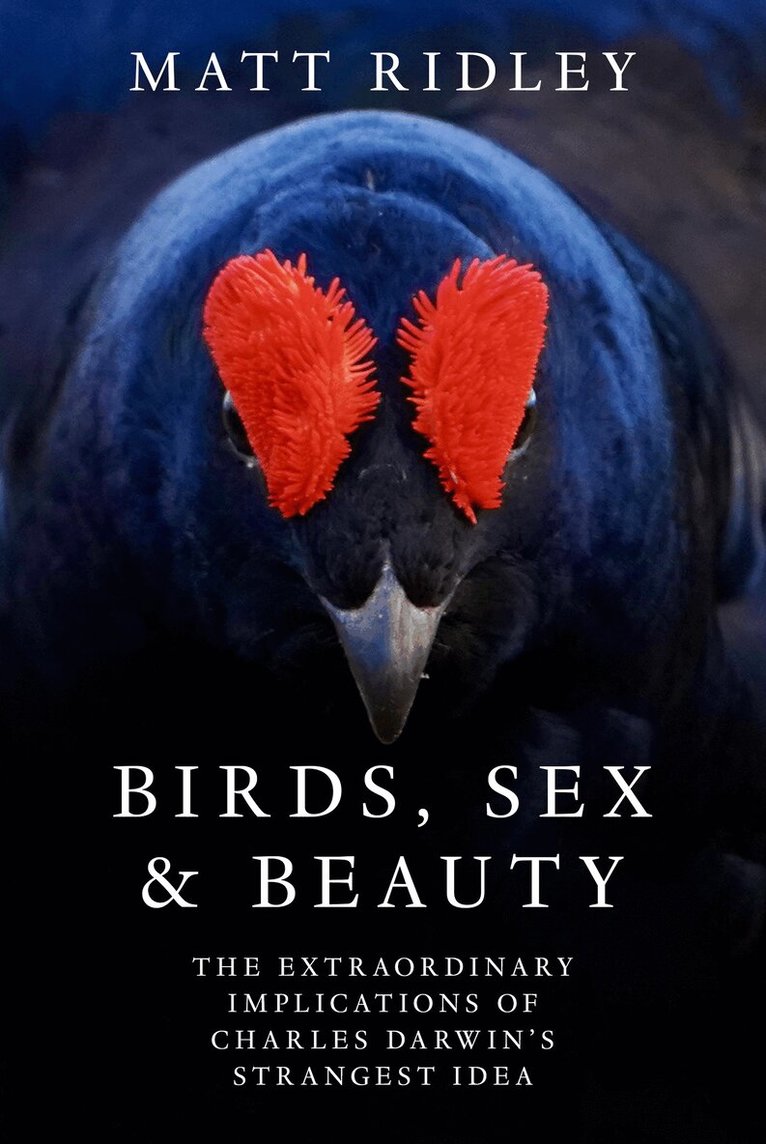
Birds, Sex and Beauty
The Extraordinary Implications of Charles Darwin’s Strangest Idea
Av Matt Ridley
Inbunden, 2025
292 kr
Lägg i varukorg
In his new book, acclaimed science writer Matt Ridley looks to the peculiar mating rituals of birds to better understand the rich origins and ongoing significance of Darwin's sexual selection theory. 'FASCINATING' The Times ‘Matt Ridley is one of our finest science writers … A treat for bird lovers …
Rational Optimist
How Prosperity Evolves
Av Matt Ridley
Häftad, 2011
5,0 utav 5 stjärnor. Totalt antal röster: (2)
143 kr
Lägg i varukorg
Shortlisted for the BBC Samuel Johnson Prize for Non-fiction 2011.Life is on the up.We are wealthier, healthier, happier, kinder, cleaner, more peaceful, more equal and longer-lived than any previous generation. Thanks to the unique human habits of exchange and specialisation, our species has found …
Rational Pessimist
Av Matt Ridley
Häftad, 2027
195 kr
Kommande
Humanity’s most spectacular era yet is increasingly within reach.So why are we doing everything we can to hold it back? The bestselling author of The Rational Optimist delivers a daring vision of the future – one that is potentially dazzling, but only if we stop sleepwalking into self-inflicted …
Rational Pessimist
Av Matt Ridley
Inbunden, 2027
286 kr
Kommande
Humanity’s most spectacular era yet is increasingly within reach.So why are we doing everything we can to hold it back? The bestselling author of The Rational Optimist delivers a daring vision of the future – one that is potentially dazzling, but only if we stop sleepwalking into self-inflicted …
Francis Crick
Discoverer of the Genetic Code
Av Matt Ridley
Häftad, 2008
139 kr
Lägg i varukorg
Acclaimed author Matt Ridley traces the colourful life of the man who discovered the structure of DNA, the building blocks of life.Building on a biographical tradition that can be traced back to Aubrey's ‘Brief Lives’, Dr Johnson's ‘Lives of the Poets’ and Lytton Strachey's ‘Eminent Victorians’, …
Nature via Nurture
Genes, Experience and What Makes Us Human
Av Matt Ridley
Häftad, 2006
247 kr
Lägg i varukorg
Acclaimed author Matt Ridley’s thrilling follow-up to his bestseller ‘Genome’. Armed with the extraordinary new discoveries about our genes, Ridley turns his attention to the nature versus nurture debate to bring the first popular account of the roots of human behaviour.What makes us who we are?In …
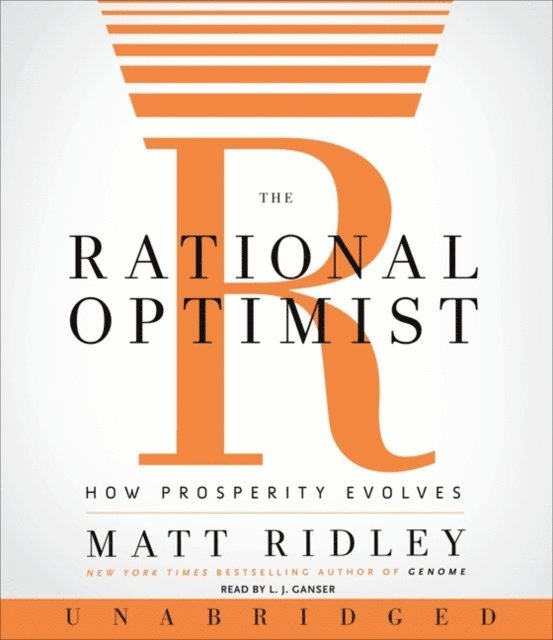
Rational Optimist
How Prosperity Evolves
Av Matt Ridley
Ljudbok, 2010
226 kr
Lägg i varukorg
Matt Ridley, acclaimed author of the classics Genome and Nature via Nurture, turns from investigating human nature to investigating human progress. In The Rational Optimist Ridley offers a counterblast to the prevailing pessimism of our age, and proves, however much we like to think to the …
Rational Optimist
How Prosperity Evolves
Av Matt Ridley
E-bok, 2010
85 kr
Lägg i varukorg
Shortlisted for the BBC Samuel Johnson Prize for Non-fiction 2011.Life is on the up.We are wealthier, healthier, happier, kinder, cleaner, more peaceful, more equal and longer-lived than any previous generation. Thanks to the unique human habits of exchange and specialisation, our species has found …
Nature via Nurture
Genes, Experience and What Makes Us Human
Av Matt Ridley
E-bok, 2011
88 kr
Lägg i varukorg
Acclaimed author Matt Ridley's thrilling follow-up to his bestseller Genome. Armed with the extraordinary new discoveries about our genes, Ridley turns his attention to the nature versus nurture debate to bring the first popular account of the roots of human behaviour.What makes us who we are?In …
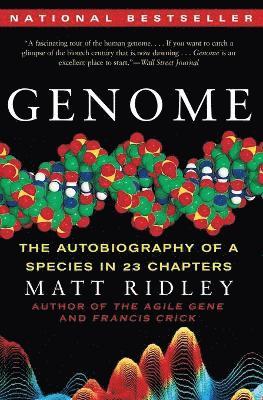
Genome
The Autobiography of a Species in 23 Chapters
Av Matt Ridley
E-bok, 2017
102 kr
Lägg i varukorg
The most important investigation of genetic science since The Selfish Gene, from the author of the critically acclaimed and best-selling The Red Queen and The Origins of Virtue.The genome is our 100,000 or so genes. The genome is the collective recipe for the building and running of the human body. …
Evolution of Everything
How Small Changes Transform Our World
Av Matt Ridley
E-bok, 2015
88 kr
Lägg i varukorg
We are taught that the world is a top-down place. Acclaimed author, Matt Ridley, shows just how wrong this is in his compelling new book.We are taught that the world is a top-down place. Generals win battles; politicians run countries; scientists discover truths; artists create genres; inventors …
Evolution of Everything
How Ideas Emerge
Av Matt Ridley
Ljudbok, 2015
218 kr
Lägg i varukorg
We are taught that the world is a top-down place. Acclaimed author, Matt Ridley, shows just how wrong this is in his compelling new book.We are taught that the world is a top-down place. Generals win battles; politicians run countries; scientists discover truths; artists create genres; inventors …
How Innovation Works
Av Matt Ridley
E-bok, 2020
123 kr
Lägg i varukorg
‘Ridley is spot-on when it comes to the vital ingredients for success’ Sir James Dyson Building on his bestseller The Rational Optimist, Matt Ridley chronicles the history of innovation, and how we need to change our thinking on the subject. Innovation is the main event of the modern age, the …
How Innovation Works
Av Matt Ridley
Ljudbok, 2020
233 kr
Lägg i varukorg
‘Ridley is spot-on when it comes to the vital ingredients for success’ Sir James DysonBuilding on his bestseller The Rational Optimist, Matt Ridley chronicles the history of innovation, and how we need to change our thinking on the subject. Innovation is the main event of the modern age, the reason …
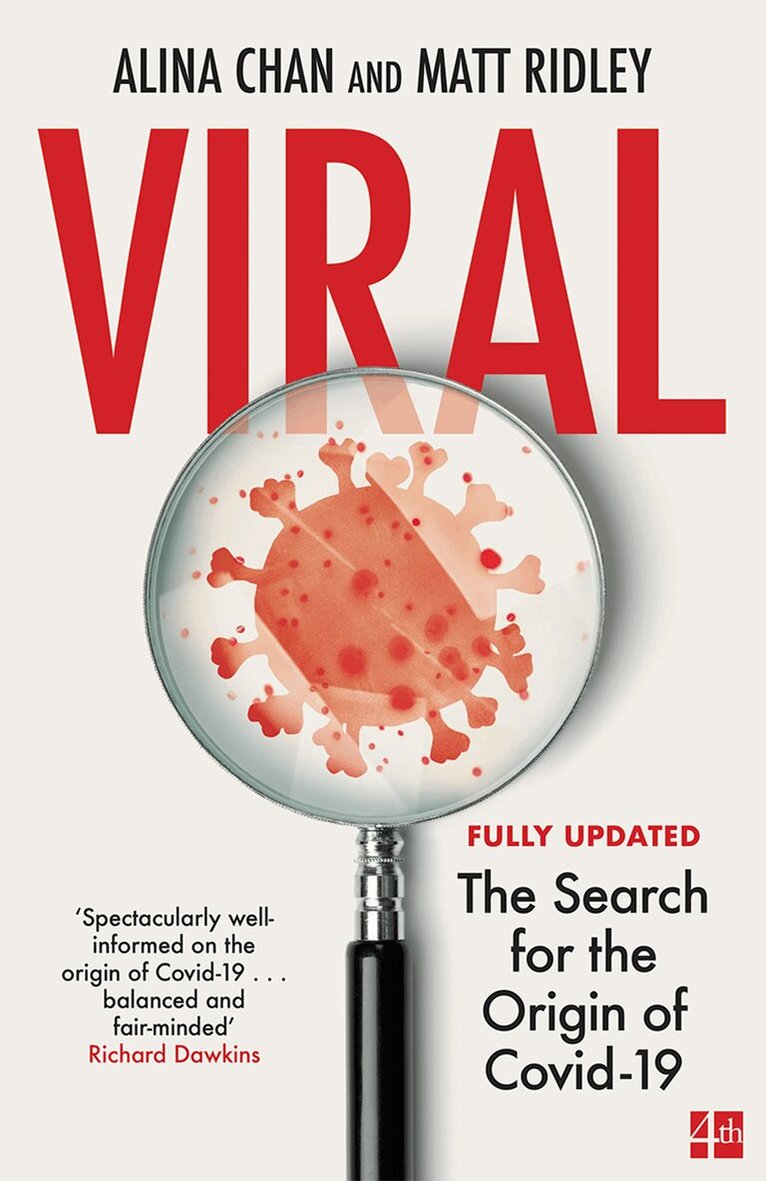
Viral
The Search for the Origin of Covid-19
E-bok, 2021
78 kr
Lägg i varukorg
Understanding how Covid-19 started is more important than we know for the future of humankind. Determining whether the virus came from nature or from a lab will help us to safeguard against the next pandemic.This disease will forever punctuate modern history. It has led to the deaths of millions, …
Viral
The Search for the Origin of Covid-19
Ljudbok, 2021
207 kr
Lägg i varukorg
Understanding how Covid-19 started is more important than we know for the future of humankind. Determining whether the virus came from nature or from a lab will help us to safeguard against the next pandemic.This disease will forever punctuate modern history. It has led to the deaths of millions, …
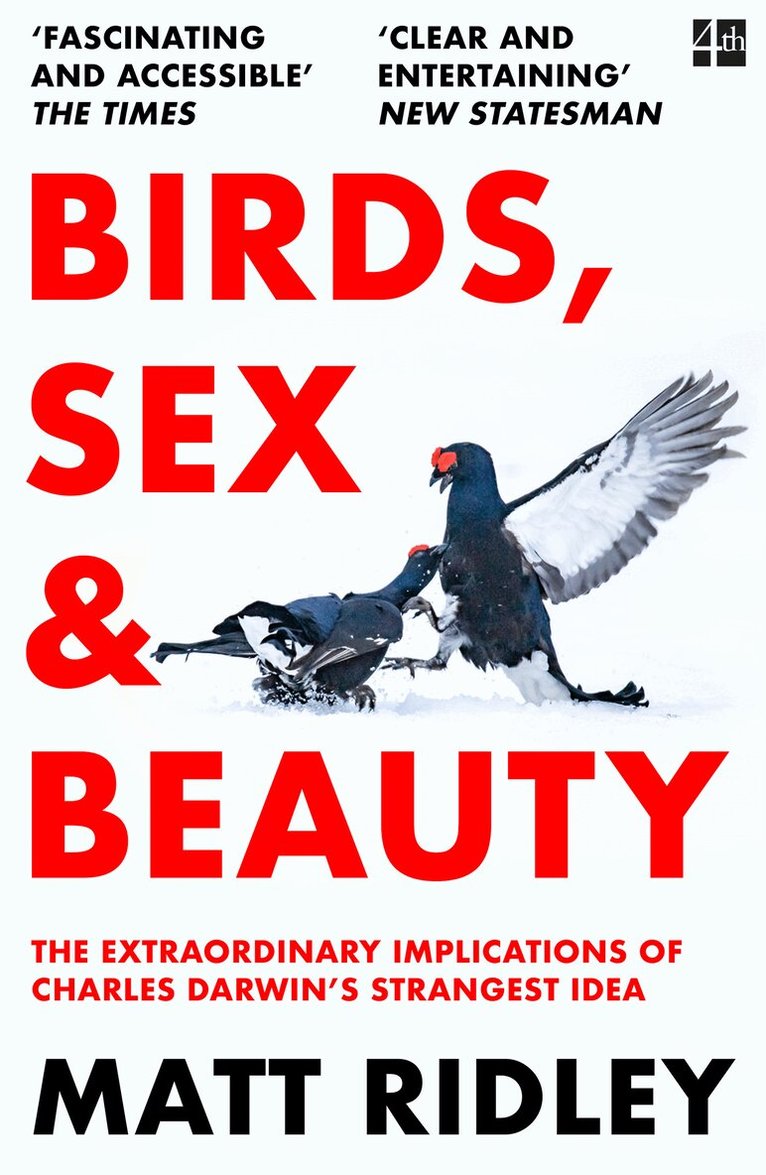
Birds, Sex and Beauty
The Extraordinary Implications of Charles Darwin’s Strangest Idea
Av Matt Ridley
Häftad, 2025
201 kr
Lägg i varukorg
In his new book, acclaimed science writer Matt Ridley looks to the peculiar mating rituals of birds to better understand the rich origins and ongoing significance of Darwin's sexual selection theory. 'FASCINATING' The Times ‘Matt Ridley is one of our finest science writers … A treat for bird lovers …
Birds, Sex and Beauty
The Extraordinary Implications of Charles Darwin’s Strangest Idea
Av Matt Ridley
E-bok, 2025
177 kr
Lägg i varukorg
In his new book, acclaimed science writer Matt Ridley looks to the peculiar mating rituals of birds to better understand the rich origins and ongoing significance of Darwin's sexual selection theory. 'FASCINATING' The Times ‘Matt Ridley is one of our finest science writers … A treat for bird lovers …
Birds, Sex and Beauty
The extraordinary implications of Charles Darwin’s strangest idea
Av Matt Ridley
Ljudbok, 2025
214 kr
Lägg i varukorg
In his new book, acclaimed science writer Matt Ridley looks to the peculiar mating rituals of birds to better understand the rich origins and ongoing significance of Darwin''s sexual selection theory.''FASCINATING'' The Times‘Matt Ridley is one of our finest science writers … A treat for bird …
Genome
The Autobiography of a Species in 23 Chapters
Av Matt Ridley
Häftad, 2006
3,0 utav 5 stjärnor. Totalt antal röster: (1)
232 kr
Lägg i varukorg
Rational Optimist
How Prosperity Evolves
Av Matt Ridley
Ljudbok, 2010
457 kr
Lägg i varukorg
“A delightful and fascinating book filled with insight and wit, which will make you think twice and cheer up.†—Steven Pinker In a bold and provocative interpretation of economic history, Matt Ridley, the New York Times -bestselling author of Genome and The Red Queen , makes the case for an …
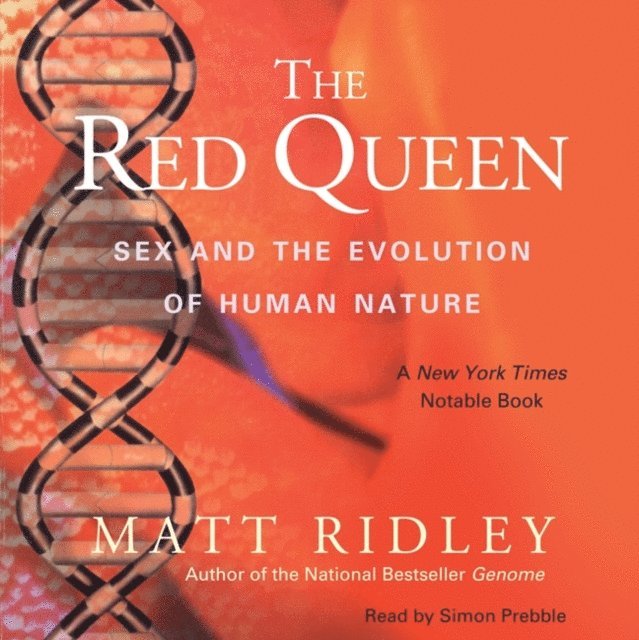
Red Queen
Sex and the Evolution of Human Nature
Av Matt Ridley
Ljudbok, 2011
470 kr
Lägg i varukorg
“A terrific book, witty and lucid, and brimming with provocative conjectures.†( Wall Street Journal ) from the author of the acclaimed New York Times bestseller Genome Brilliantly written, The Red Queen compels us to rethink everything from the persistence of sexism to the endurance of …
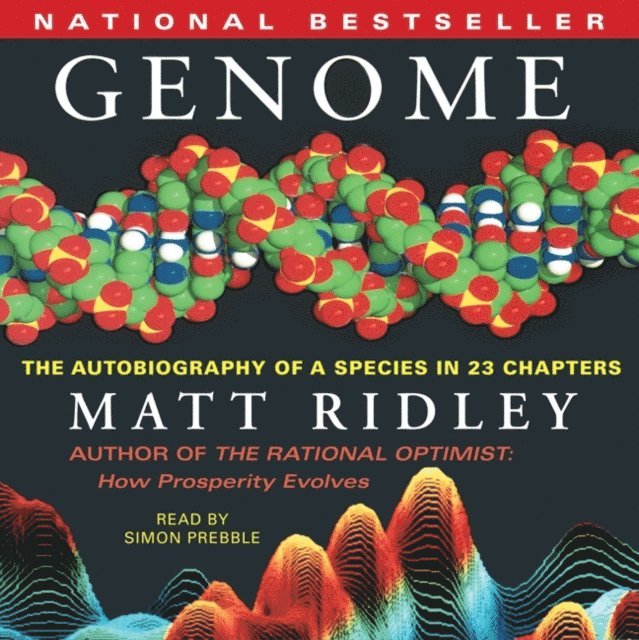
Genome
The Autobiography of a Species In 23 Chapters
Av Matt Ridley
Ljudbok, 2011
411 kr
Lägg i varukorg
“Ridley leaps from chromosome to chromosome in a handy summation of our ever increasing understanding of the roles that genes play in disease, behavior, sexual differences, and even intelligence. . . . . He addresses not only the ethical quandaries faced by contemporary scientists but the …