Matteo Albanese – författare
Visar alla böcker från författaren Matteo Albanese. Handla med fri frakt och snabb leverans.
16 produkter
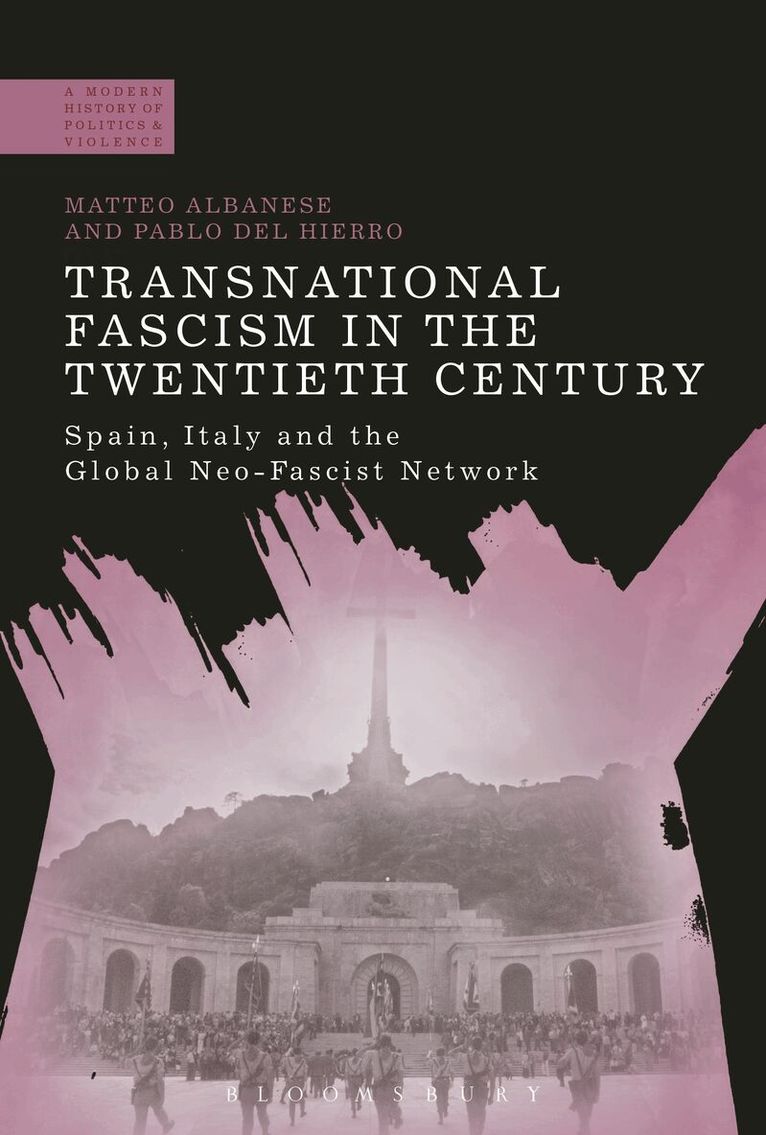
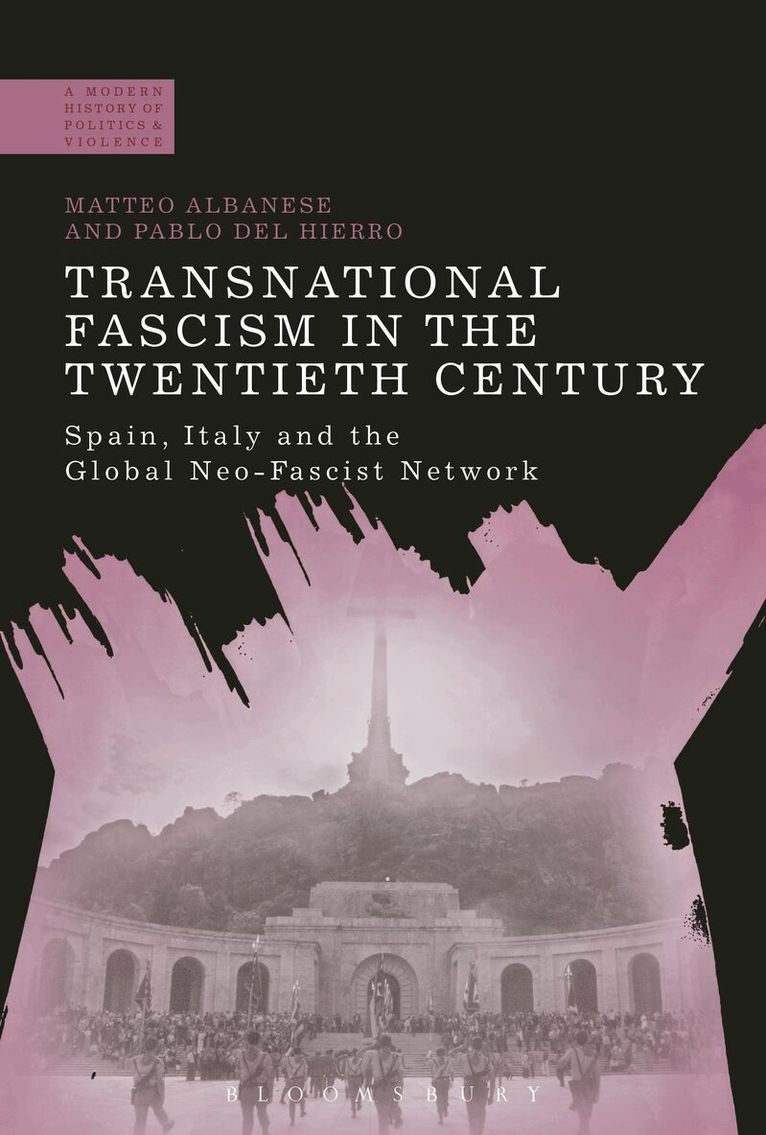
Transnational Fascism in the Twentieth Century
Spain, Italy and the Global Neo-Fascist Network
Av Matteo Albanese, Pablo del Hierro m. fl.
Häftad, 2018
531 kr
Lägg i varukorg
Developing a knowledge of the Spanish-Italian connection between right-wing extremist groups is crucial to any detailed understanding of the history of fascism. Transnational Fascism in the Twentieth Century allows us to consider the global fascist network that built up over the course of the 20th …
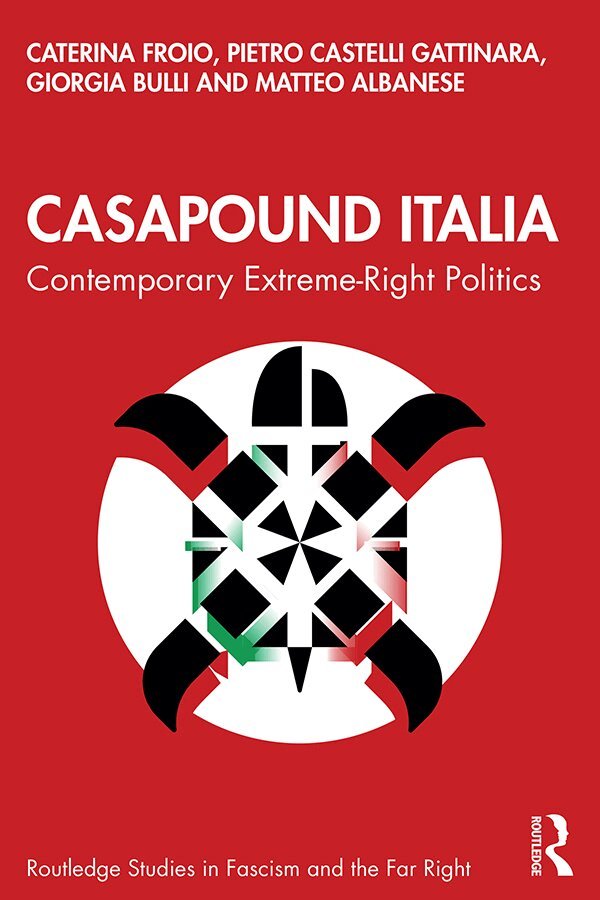
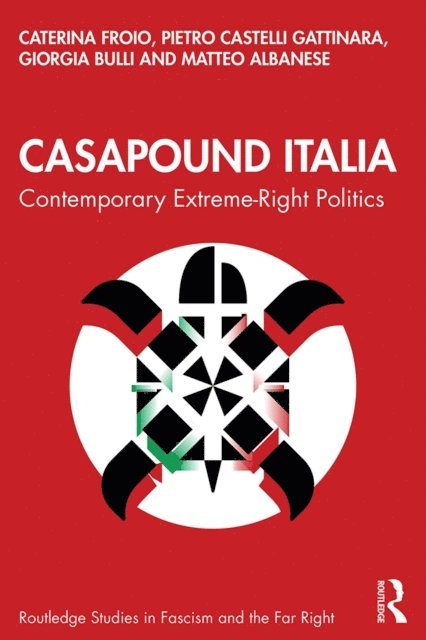
CasaPound Italia
Contemporary Extreme-Right Politics
Av Caterina Froio, Pietro Castelli Gattinara m. fl.
Häftad, 2020
735 kr
Lägg i varukorg
In 2003, the occupation of a state-owned building in Rome led to the emergence of a new extreme-right youth movement: CasaPound Italia (CPI). Its members described themselves as 'Fascists of the Third Millennium', and were unabashed about their admiration for Benito Mussolini. Over the next 15 …
Transnational Making of Italian Neofascism
Häftad, 2026
727 kr
Lägg i varukorg
This book delves into the evolution of Italian neo-fascism from the end of World War II to the mid-1970s.It examines the transition from historical fascism to neo-fascism, highlighting the survival and adaptation of fascist ideologies within democratic frameworks. This book explores the formation …
CasaPound Italia
Contemporary Extreme-Right Politics
Av Caterina Froio, Pietro Castelli Gattinara m. fl.
Inbunden, 2020
2746 kr
Lägg i varukorg
In 2003, the occupation of a state-owned building in Rome led to the emergence of a new extreme-right youth movement: CasaPound Italia (CPI). Its members described themselves as 'Fascists of the Third Millennium', and were unabashed about their admiration for Benito Mussolini. Over the next 15 …
Neofascism in Europe (1945-1989)
A Long Cultural Journey
E-bok, 2022
785 kr
Lägg i varukorg
The text represents a long journey in the debate that characterized the multifaceted political phenomenon of neofascism. From the end of the Second World War until the fall of the communist regimes, groups, parties and individuals have given life to a network of action and thought that has …
Neofascism in Europe (1945-1989)
A Long Cultural Journey
E-bok, 2022
785 kr
Lägg i varukorg
The text represents a long journey in the debate that characterized the multifaceted political phenomenon of neofascism. From the end of the Second World War until the fall of the communist regimes, groups, parties and individuals have given life to a network of action and thought that has …
CasaPound Italia
Contemporary Extreme-Right Politics
Av Matteo Albanese, Giorgia Bulli m. fl.
E-bok, 2020
847 kr
Lägg i varukorg
In 2003, the occupation of a state-owned building in Rome led to the emergence of a new extreme-right youth movement: CasaPound Italia (CPI). Its members described themselves as ''Fascists of the Third Millennium'', and were unabashed about their admiration for Benito Mussolini. Over the next 15 …
CasaPound Italia
Contemporary Extreme-Right Politics
Av Matteo Albanese, Giorgia Bulli m. fl.
E-bok, 2020
866 kr
Lägg i varukorg
In 2003, the occupation of a state-owned building in Rome led to the emergence of a new extreme-right youth movement: CasaPound Italia (CPI). Its members described themselves as ''Fascists of the Third Millennium'', and were unabashed about their admiration for Benito Mussolini. Over the next 15 …
Neofascism in Europe (1945–1989)
A Long Cultural Journey
Häftad, 2024
667 kr
Lägg i varukorg
The text represents a long journey in the debate that characterized the multifaceted political phenomenon of neofascism. From the end of the Second World War until the fall of the communist regimes, groups, parties and individuals have given life to a network of action and thought that has …
Transnational Making of Italian Neofascism
Inbunden, 2024
2513 kr
Lägg i varukorg
This book delves into the evolution of Italian neo-fascism from the end of World War II to the mid-1970s.It examines the transition from historical fascism to neo-fascism, highlighting the survival and adaptation of fascist ideologies within democratic frameworks. This book explores the formation …
Transnational Making of Italian Neofascism
E-bok, 2024
805 kr
Lägg i varukorg
This book delves into the evolution of Italian neo-fascism from the end of World War II to the mid-1970s.It examines the transition from historical fascism to neo-fascism, highlighting the survival and adaptation of fascist ideologies within democratic frameworks. This book explores the formation …
Transnational Making of Italian Neofascism
E-bok, 2024
838 kr
Lägg i varukorg
This book delves into the evolution of Italian neo-fascism from the end of World War II to the mid-1970s.It examines the transition from historical fascism to neo-fascism, highlighting the survival and adaptation of fascist ideologies within democratic frameworks. This book explores the formation …
Neofascism in Europe (1945–1989)
A Long Cultural Journey
Inbunden, 2022
2588 kr
Lägg i varukorg
The text represents a long journey in the debate that characterized the multifaceted political phenomenon of neofascism. From the end of the Second World War until the fall of the communist regimes, groups, parties and individuals have given life to a network of action and thought that has …
Transnational Fascism in the Twentieth Century
Spain, Italy and the Global Neo-Fascist Network
Av Matteo Albanese, Pablo del Hierro m. fl.
Inbunden, 2016
2045 kr
Lägg i varukorg
Developing a knowledge of the Spanish-Italian connection between right-wing extremist groups is crucial to any detailed understanding of the history of fascism. Transnational Fascism in the Twentieth Century allows us to consider the global fascist network that built up over the course of the 20th …
Transnational Fascism in the Twentieth Century
Spain, Italy and the Global Neo-Fascist Network
Av Matteo Albanese, Pablo del Hierro
E-bok, 2016
578 kr
Lägg i varukorg
Developing a knowledge of the Spanish-Italian connection between right-wing extremist groups is crucial to any detailed understanding of the history of fascism. Transnational Fascism in the Twentieth Century allows us to consider the global fascist network that built up over the course of the 20th …
Transnational Fascism in the Twentieth Century
Spain, Italy and the Global Neo-Fascist Network
Av Matteo Albanese, Pablo del Hierro
E-bok, 2016
560 kr
Lägg i varukorg
Developing a knowledge of the Spanish-Italian connection between right-wing extremist groups is crucial to any detailed understanding of the history of fascism. Transnational Fascism in the Twentieth Century allows us to consider the global fascist network that built up over the course of the 20th …