Matteo Favaretti Camposampiero – författare
Visar alla böcker från författaren Matteo Favaretti Camposampiero. Handla med fri frakt och snabb leverans.
5 produkter
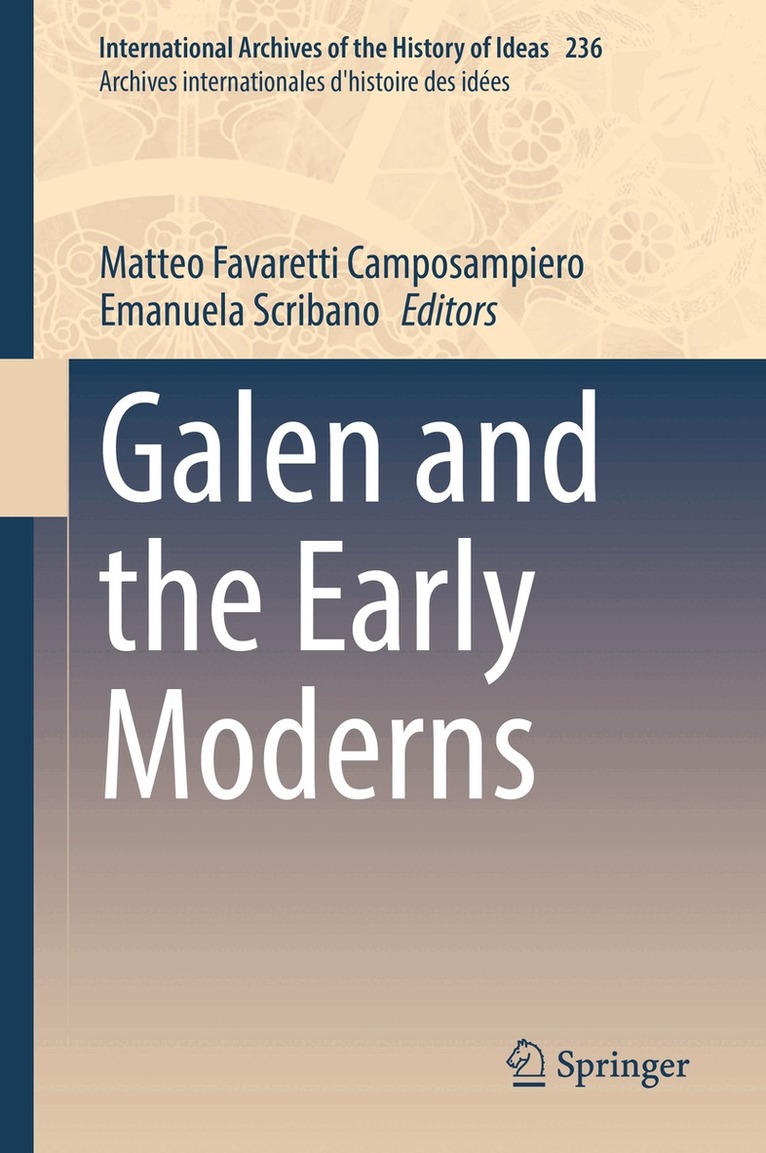
Galen and the Early Moderns
Av Matteo Favaretti Camposampiero, Emanuela Scribano
Inbunden, 2022
1534 kr
Lägg i varukorg
This book explores the presence of Galen of Pergamon (129 – c. 216 AD) in early modern philosophy, science, and medicine. After a short revival due to the humanistic rediscovery of his works, the influence of the great ancient physician on Western thought seemed to decline rapidly as new …
Galen and the Early Moderns
Av Emanuela Scribano, Matteo Favaretti Camposampiero
E-bok, 2022
1948 kr
Lägg i varukorg
This book explores the presence of Galen of Pergamon (129 – c. 216 AD) in early modern philosophy, science, and medicine. After a short revival due to the humanistic rediscovery of his works, the influence of the great ancient physician on Western thought seemed to decline rapidly as new …
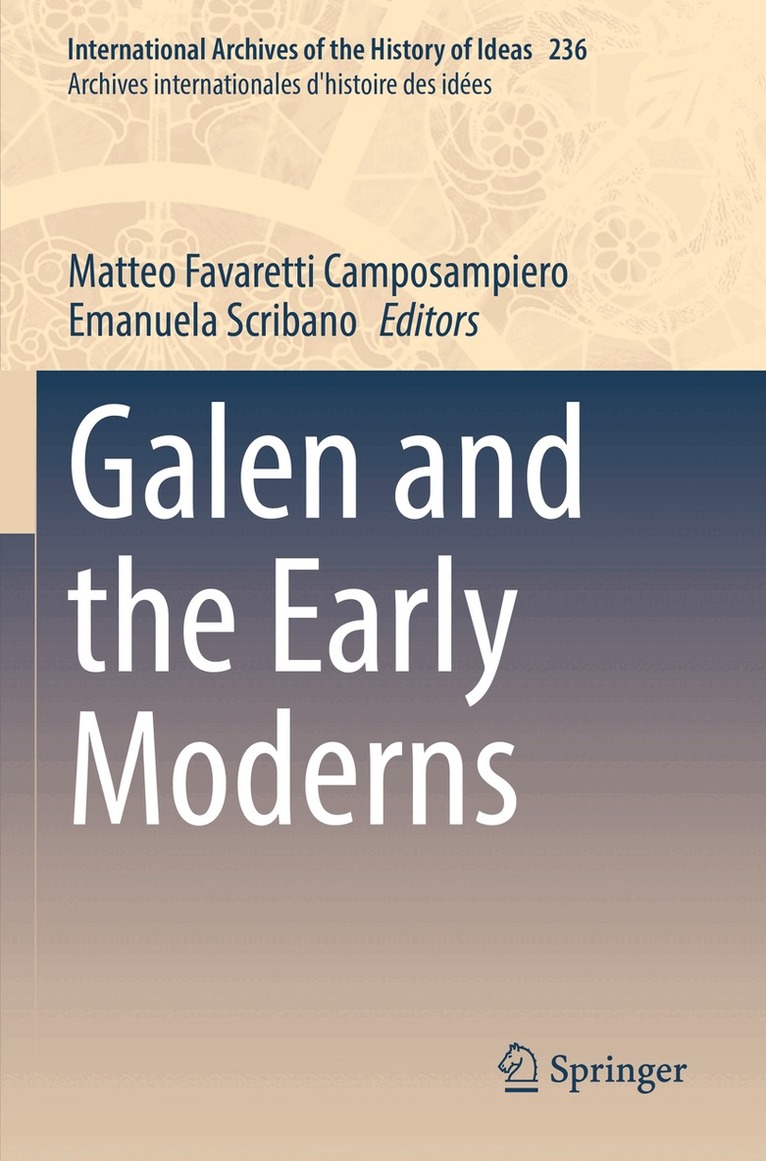
Galen and the Early Moderns
Av Matteo Favaretti Camposampiero, Emanuela Scribano
Häftad, 2023
1534 kr
Lägg i varukorg
This book explores the presence of Galen of Pergamon (129 – c. 216 AD) in early modern philosophy, science, and medicine. After a short revival due to the humanistic rediscovery of his works, the influence of the great ancient physician on Western thought seemed to decline rapidly as new …
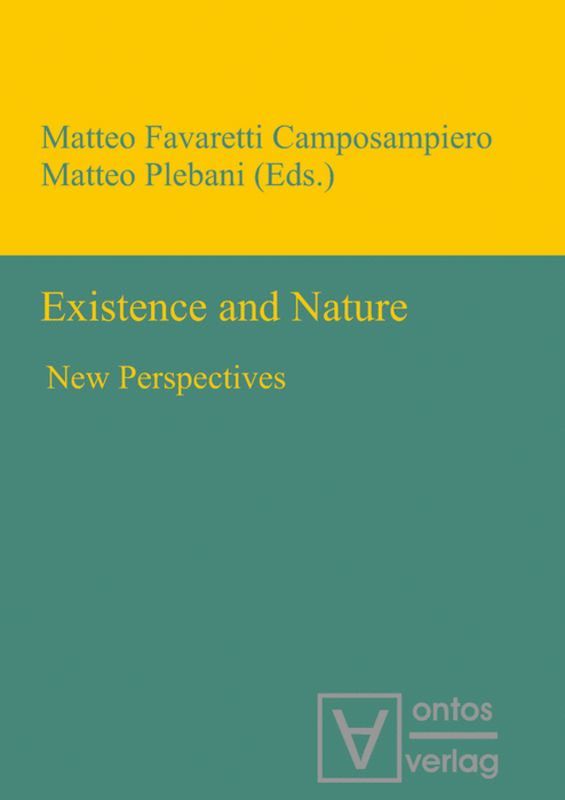
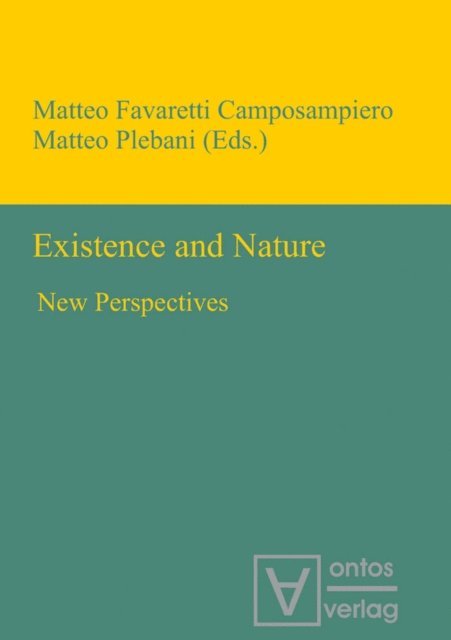
Existence and Nature
New Perspectives
Av Matteo Favaretti, Camposampiero, Matteo Plebani
Inbunden, 2012
1310 kr
Lägg i varukorg
Is all that exists part of the natural world? If there are non-natural entities, what is their difference from natural things? Is the human-independent realm of nature the only paradigm for ontological respectability, as naturalism claims? Can existence be simply explained away by means of formal …
Existence and Nature
New Perspectives
Av Matteo Plebani, Matteo Favaretti Camposampiero
E-bok, 2013
1291 kr
Lägg i varukorg
Is all that exists part of the natural world? If there are non-natural entities, what is their difference from natural things? Is the human-independent realm of nature the only paradigm for ontological respectability, as naturalism claims? Can existence be simply explained away by means of formal …