Matteo Rigamonti – författare
Visar alla böcker från författaren Matteo Rigamonti. Handla med fri frakt och snabb leverans.
5 produkter
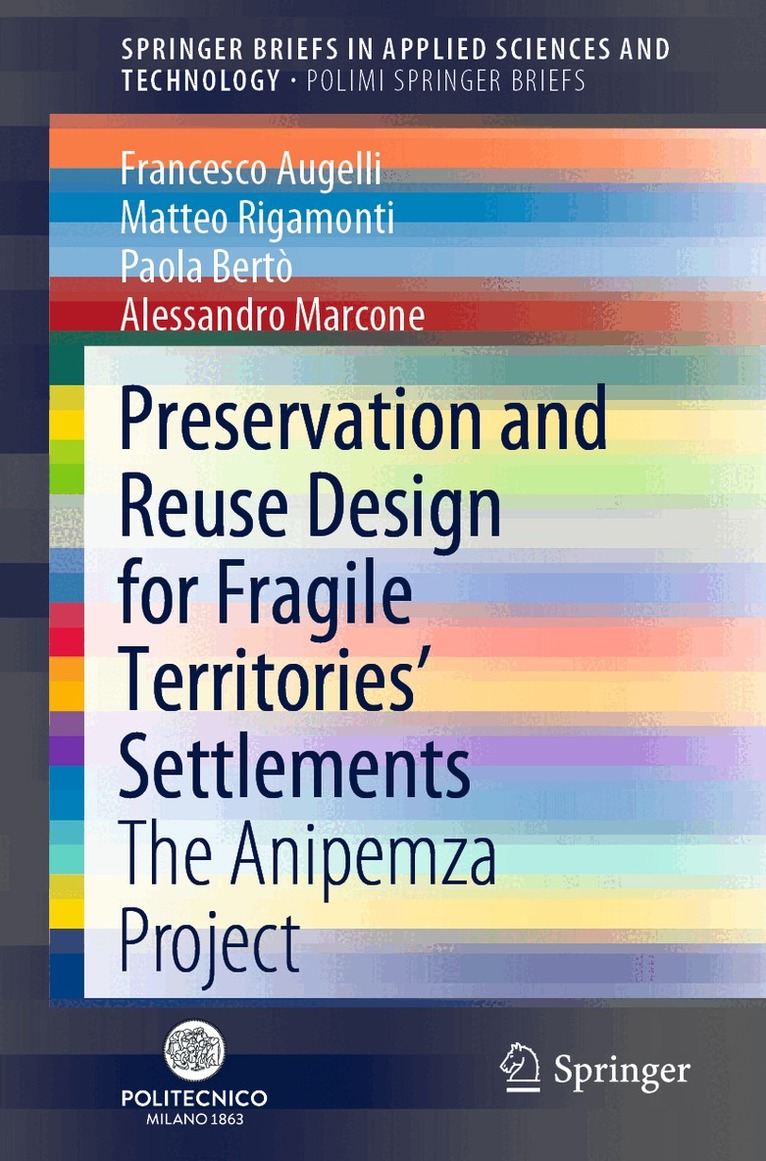
Preservation and Reuse Design for Fragile Territories’ Settlements
The Anipemza Project
Av Francesco Augelli, Matteo Rigamonti m. fl.
Häftad, 2020
569 kr
Lägg i varukorg
This book reports on an architectural conservation and reuse project in Anipemza, an Armenian Soviet-era village on the Turkish border, just a few steps away from the important Yererouyk archaeological site. Based on current tourist trends, the book suggests the development of a social system and …
Preservation and Reuse Design for Fragile Territories' Settlements
The Anipemza Project
Av Alessandro Marcone, Paola Berto m. fl.
E-bok, 2020
734 kr
Lägg i varukorg
This book reports on an architectural conservation and reuse project in Anipemza, an Armenian Soviet-era village on the Turkish border, just a few steps away from the important Yererouyk archaeological site. Based on current tourist trends, the book suggests the development of a social system and …
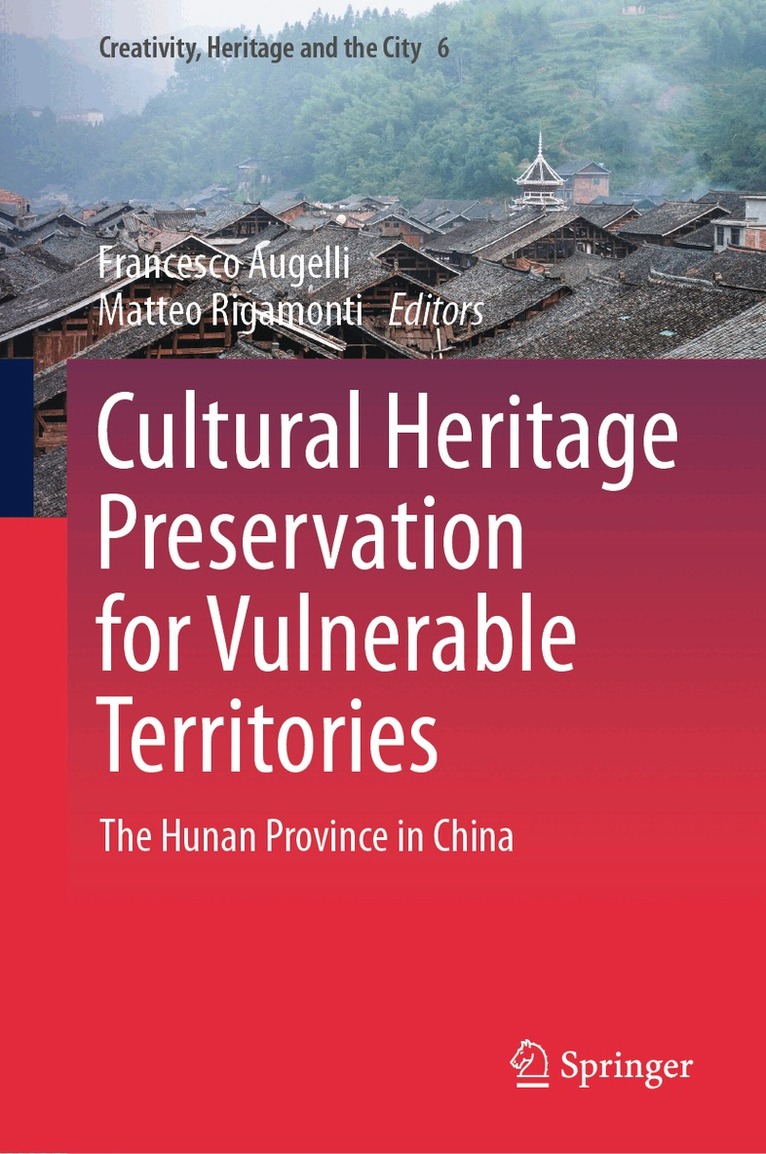
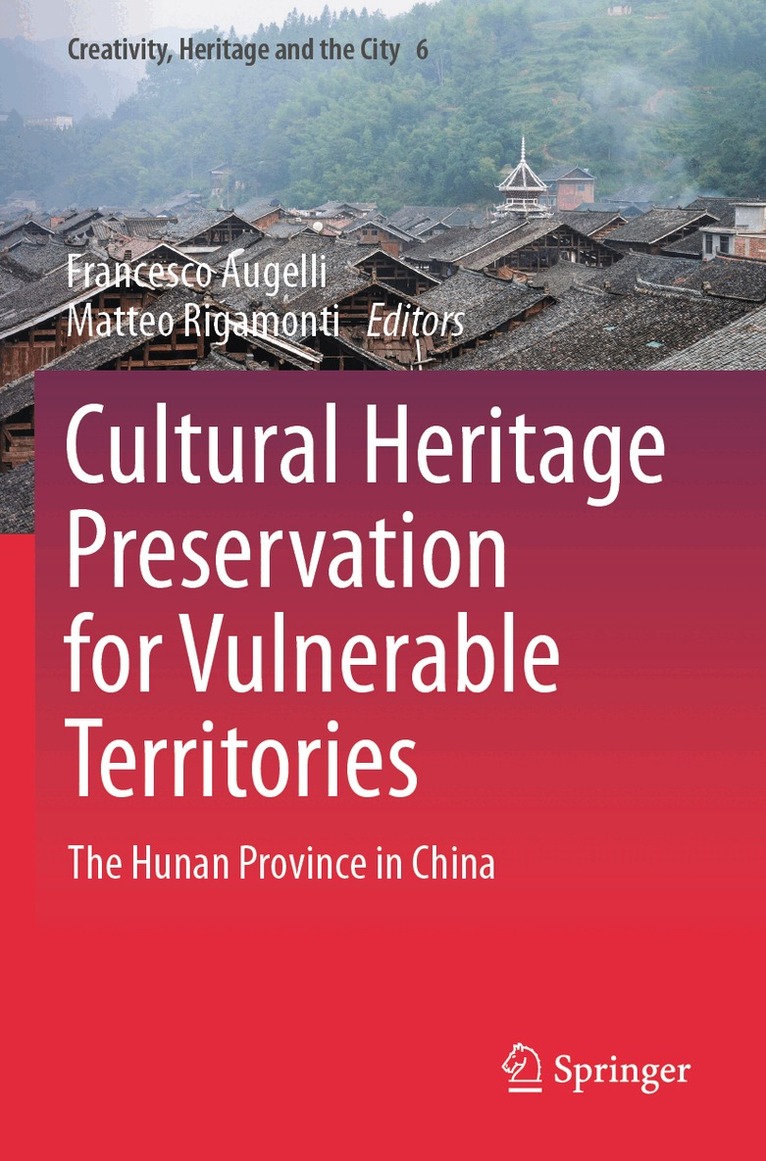
Cultural Heritage Preservation for Vulnerable Territories
The Hunan Province in China
Av Francesco Augelli, Matteo Rigamonti
Inbunden, 2024
1534 kr
Lägg i varukorg
This book frames the many-sided fragilities of Hunan Province’s Heritage. It originates from a ten-year-long international cooperation between Politecnico di Milano (Italy), dealing from the Seventies with architectural preservation and adaptive reuse’s teaching and research activities, and the …
Cultural Heritage Preservation for Vulnerable Territories
The Hunan Province in China
Av Matteo Rigamonti, Francesco Augelli
E-bok, 2024
1962 kr
Lägg i varukorg
This book frames the many-sided fragilities of Hunan Province’s Heritage. It originates from a ten-year-long international cooperation between Politecnico di Milano (Italy), dealing from the Seventies with architectural preservation and adaptive reuse’s teaching and research activities, and the …
Cultural Heritage Preservation for Vulnerable Territories
The Hunan Province in China
Av Francesco Augelli, Matteo Rigamonti
Häftad, 2025
1534 kr
Lägg i varukorg
This book frames the many-sided fragilities of Hunan Province’s Heritage. It originates from a ten-year-long international cooperation between Politecnico di Milano (Italy), dealing from the Seventies with architectural preservation and adaptive reuse’s teaching and research activities, and the …