Matthew A. Baum – författare
Visar alla böcker från författaren Matthew A. Baum. Handla med fri frakt och snabb leverans.
7 produkter
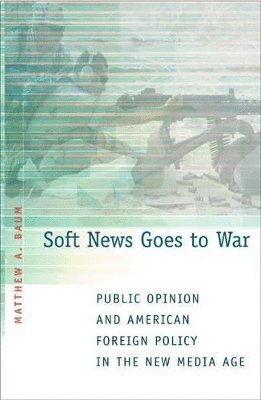
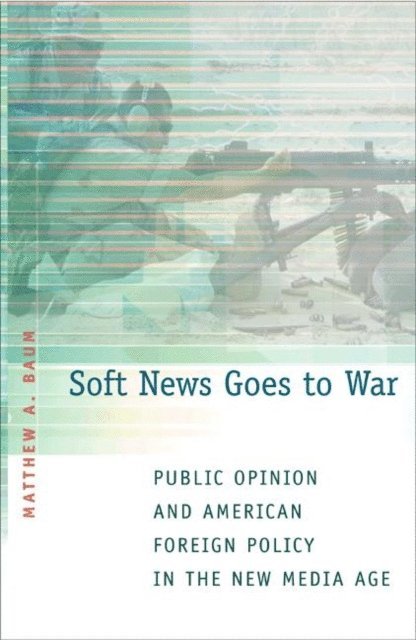
Soft News Goes to War
Public Opinion and American Foreign Policy in the New Media Age
Häftad, 2005
435 kr
Lägg i varukorg
The American public has consistently declared itself less concerned with foreign affairs in the post-Cold War era, even after 9/11, than at any time since World War II. How can it be, then, that public attentiveness to U.S. foreign policy crises has increased? This book represents the first …
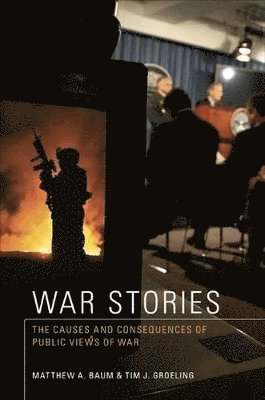
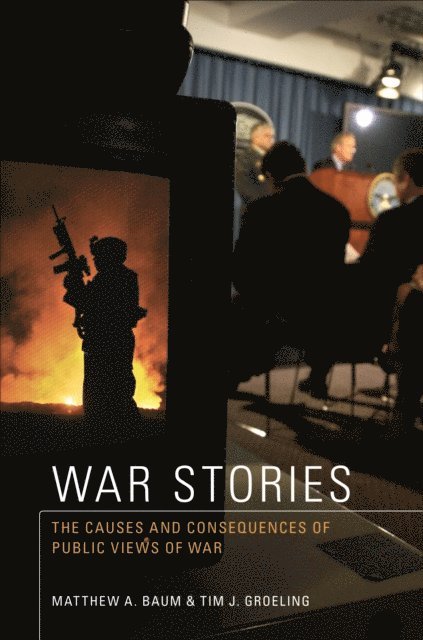
War Stories
The Causes and Consequences of Public Views of War
Av Matthew A. Baum, Tim J. Groeling
Häftad, 2010
418 kr
Lägg i varukorg
How does the American public formulate its opinions about U.S. foreign policy and military engagement abroad? War Stories argues that the media systematically distort the information the public vitally needs to determine whether to support such initiatives, for reasons having more to do with …
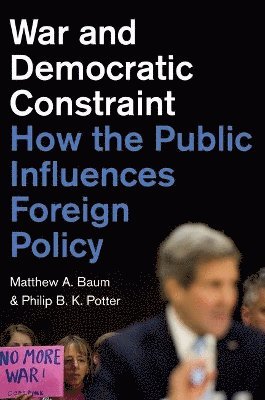
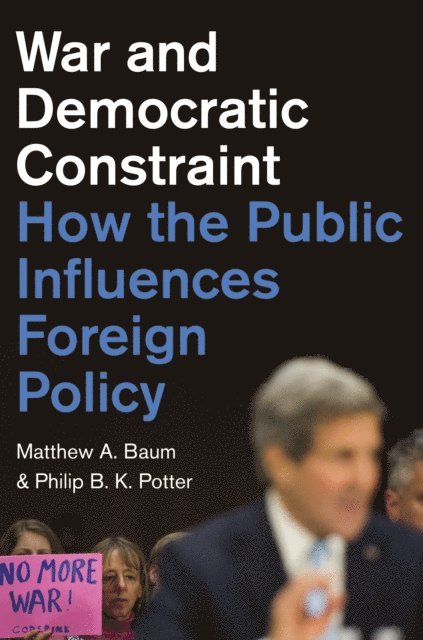
War and Democratic Constraint
How the Public Influences Foreign Policy
Av Matthew A. Baum, Philip B. K. Potter
Inbunden, 2015
1076 kr
Lägg i varukorg
Why do some democracies reflect their citizens' foreign policy preferences better than others? What roles do the media, political parties, and the electoral system play in a democracy's decision to join or avoid a war? War and Democratic Constraint shows that the key to how a government determines …
War and Democratic Constraint
How the Public Influences Foreign Policy
Av Matthew A. Baum, Philip B. K. Potter
Häftad, 2015
341 kr
Lägg i varukorg
Why do some democracies reflect their citizens' foreign policy preferences better than others? What roles do the media, political parties, and the electoral system play in a democracy's decision to join or avoid a war? War and Democratic Constraint shows that the key to how a government determines …
War Stories
The Causes and Consequences of Public Views of War
Av Tim J. Groeling, Matthew A. Baum
E-bok, 2009
571 kr
Lägg i varukorg
How does the American public formulate its opinions about U.S. foreign policy and military engagement abroad? War Stories argues that the media systematically distort the information the public vitally needs to determine whether to support such initiatives, for reasons having more to do with …
Soft News Goes to War
Public Opinion and American Foreign Policy in the New Media Age
E-bok, 2011
599 kr
Lägg i varukorg
The American public has consistently declared itself less concerned with foreign affairs in the post-Cold War era, even after 9/11, than at any time since World War II. How can it be, then, that public attentiveness to U.S. foreign policy crises has increased? This book represents the first …
War and Democratic Constraint
How the Public Influences Foreign Policy
Av Philip B. K. Potter, Matthew A. Baum
E-bok, 2015
447 kr
Lägg i varukorg
Why do some democracies reflect their citizens'' foreign policy preferences better than others? What roles do the media, political parties, and the electoral system play in a democracy''s decision to join or avoid a war? War and Democratic Constraint shows that the key to how a government …