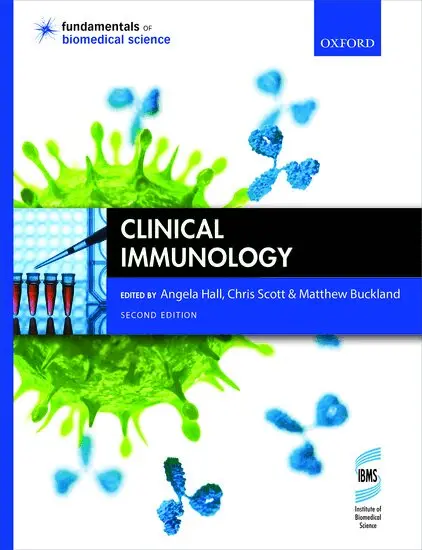
Biomedical scientists are the foundation of modern healthcare, from cancer screening to diagnosing HIV, from blood transfusion for surgery to food poisoning and infection control. Without biomedical scientists, the diagnosis of disease, the evaluation of the effectiveness of treatment, and research into the causes and cures of disease would not be possible.The Fundamentals of Biomedical Science series has been written to reflect the challenges of practicing biomedical science today. It draws together essential basic science with insights into laboratory practice to show how an understanding of the biology of disease is coupled to the analytical approaches that lead to diagnosis. Assuming only a minimum of prior knowledge, the series reviews the full range of disciplines to which a Biomedical Scientist may be exposed - from microbiology to cytopathology to transfusion science. Clinical Immunology gives the new biomedical scientist an insight into the function of the immune system, the front line of defence against pathological disease, and the diagnostic techniques used to identify associated malfunctions and disorders. By examining the key immunological principles and scientific basis of laboratory techniques with a focus on the biomedical scientist's role in the diagnostic laboratory, the reader is provided with everything needed to prepare for a specialist qualification in immunology. Current tests, the rationale behind their use, the technologies employed, and the quality measures applied are illustrated by specific case studies showing how the clinician interprets the results to help the patient.Online Resource CentreThe Online Resource Centre to accompany Clinical Immunology features: For registered adopters of the book: - Figures from the book, available to download For students:- Answers to self-check and end of chapter questions- Video podcasts including interviews with practicing biomedical scientists and 'in the lab' footage showing biomedical science in practice
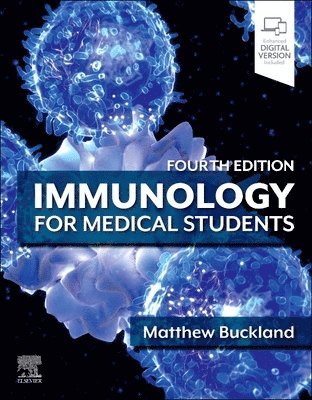
**Selected for 2026 Doody's Core Titles in Immunology**Immunology for Medical Students, Fourth Edition provides concise yet comprehensive information for medical students about the basic science of the human immune system, and how to apply this to clinical practice.The book provides a detailed overview of how the immune system works, covers physiology, innate and adaptive immunity and the immune system in health and disease. Readers will learn how to assess a patient with an immune problem and understand from first principles the diagnosis and management of immune disorders.This popular book is an ideal companion for medical school courses and has been fully updated to include the latest science on immunotherapies.
Biomedical scientists are the foundation of modern healthcare, from cancer screening to diagnosing HIV, from blood transfusion for surgery to food poisoning and infection control. Without biomedical scientists, the diagnosis of disease, the evaluation of the effectiveness of treatment, and research into the causes and cures of disease would not be possible.The Fundamentals of Biomedical Science series has been written to reflect the challenges of practicing biomedical science today. It draws together essential basic science with insights into laboratory practice to show how an understanding of the biology of disease is coupled to the analytical approaches that lead to diagnosis. Assuming only a minimum of prior knowledge, the series reviews the full range of disciplines to which a Biomedical Scientist may be exposed - from microbiology to cytopathology to transfusion science. Clinical Immunology gives the new biomedical scientist an insight into the function of the immune system, the front line of defence against pathological disease, and the diagnostic techniques used to identify associated malfunctions and disorders. By examining the key immunological principles and scientific basis of laboratory techniques with a focus on the biomedical scientist's role in the diagnostic laboratory, the reader is provided with everything needed to prepare for a specialist qualification in immunology. Current tests, the rationale behind their use, the technologies employed, and the quality measures applied are illustrated by specific case studies showing how the clinician interprets the results to help the patient.Online Resource CentreThe Online Resource Centre to accompany Clinical Immunology features: For registered adopters of the book: - Figures from the book, available to download For students:- Answers to self-check and end of chapter questions- Video podcasts including interviews with practicing biomedical scientists and 'in the lab' footage showing biomedical science in practice
**Selected for 2026 Doody's Core Titles in Immunology**Immunology for Medical Students, Fourth Edition provides concise yet comprehensive information for medical students about the basic science of the human immune system, and how to apply this to clinical practice.The book provides a detailed overview of how the immune system works, covers physiology, innate and adaptive immunity and the immune system in health and disease. Readers will learn how to assess a patient with an immune problem and understand from first principles the diagnosis and management of immune disorders.This popular book is an ideal companion for medical school courses and has been fully updated to include the latest science on immunotherapies.