Matthew G. Stanard - Böcker
Visar alla böcker från författaren Matthew G. Stanard. Handla med fri frakt och snabb leverans.
7 produkter
7 produkter
2 151 kr
Skickas inom 10-15 vardagar
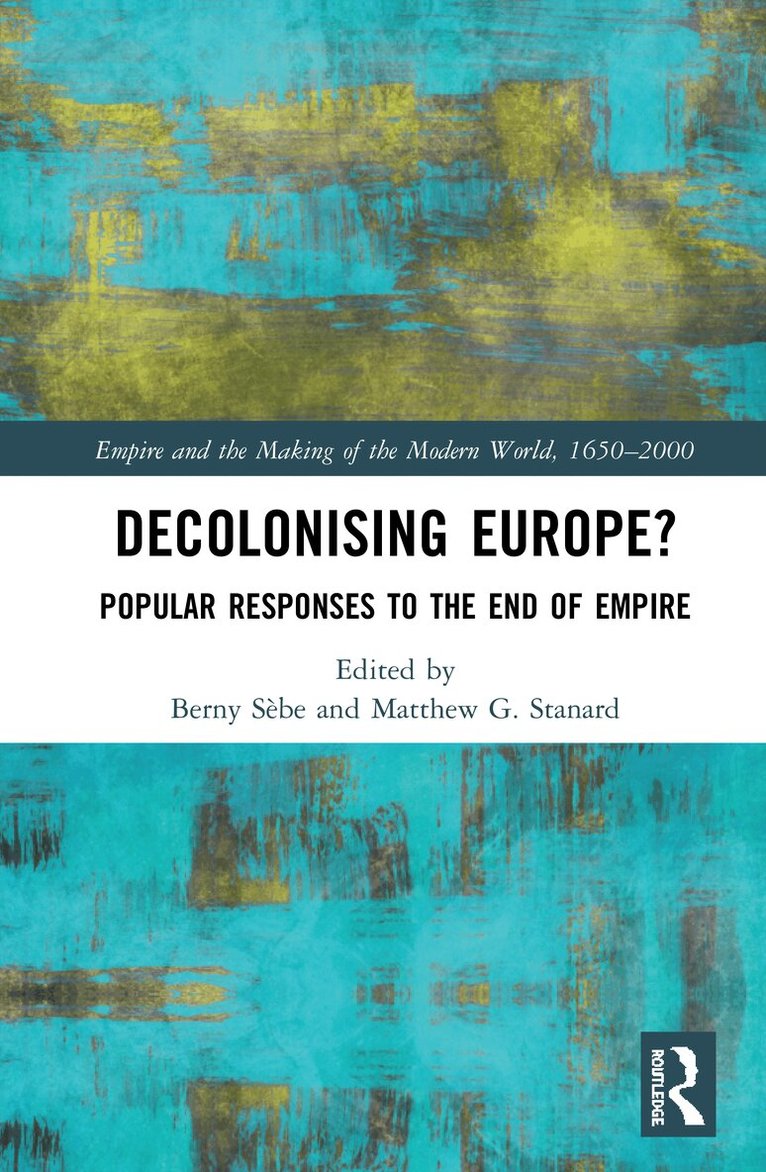
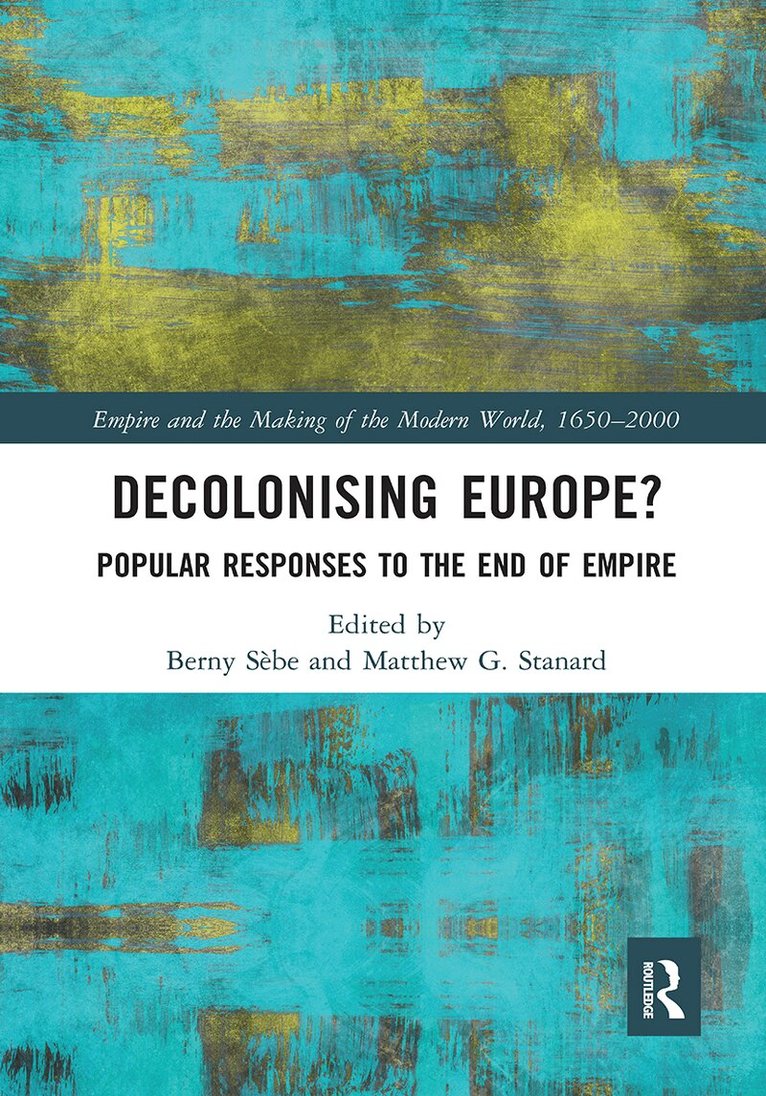
Decolonising Europe? Popular Responses to the End of Empire offers a new paradigm to understand decolonisation in Europe by showing how it was fundamentally a fluid process of fluxes and refluxes involving not only transfers of populations, ideas, and sociocultural practices across continents but also complex intra-European dynamics at a time of political convergence following the Treaty of Rome. Decolonisation was neither a process of sudden, rapid changes to European cultures nor one of cultural inertia, but a development marked by fluidity, movement, and dynamism. Rather than being a static process where Europe’s (former) metropoles and their peoples ‘at home’ reacted to the end of empire ‘out there’, decolonisation translated into new realities for Europe’s cultures, societies, and politics as flows, ebbs, fluxes, and cultural refluxes reshaped both former colonies and former metropoles.The volume’s contributors set out a carefully crafted panorama of decolonisation’s sequels in European popular culture by means of in-depth studies of specific cases and media, analysing the interwoven meaning, momentum, memory, material culture, and migration patterns of the end of empire across eight major European countries.The revised meaning of ‘decolonisation’ that emerges will challenge scholars in several fields, and the panorama of new research in the book charts paths for new investigations. The question mark in the title asks not only how European cultures experienced the ‘end of empire’ but also the extent to which this is still a work in progress.
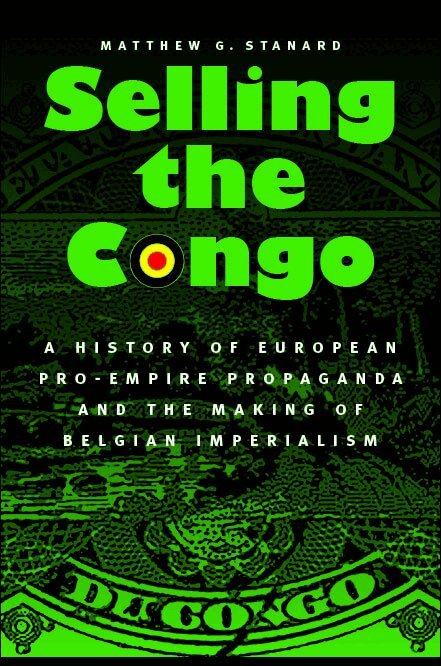
Selling the Congo
A History of European Pro-Empire Propaganda and the Making of Belgian Imperialism
Inbunden, Engelska, 2012
722 kr
Skickas inom 10-15 vardagar
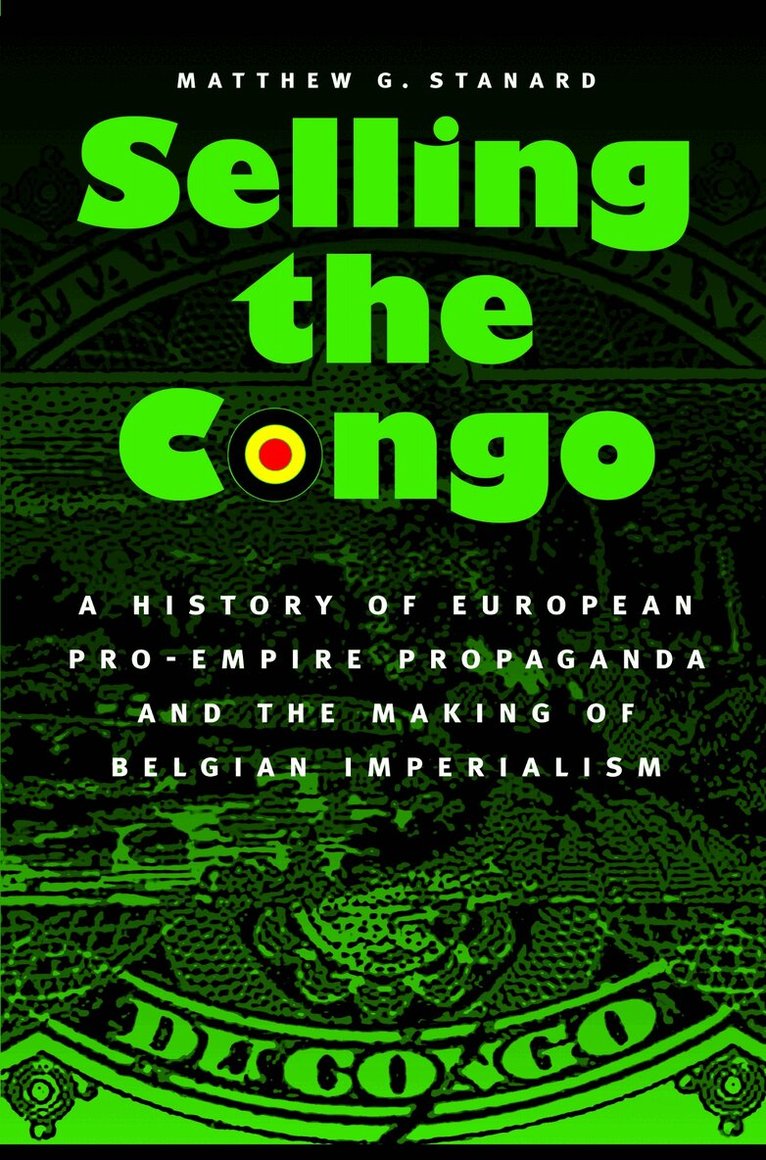
Belgium was a small, neutral country without a colonial tradition when King Leopold II ceded the Congo, his personal property, to the state in 1908. For the next half century, Belgium not only ruled an African empire but also, through widespread, enduring, and eagerly embraced propaganda, produced an imperialist-minded citizenry. Selling the Congo is a study of European pro-empire propaganda in Belgium, with particular emphasis on the period 1908–60. Matthew G. Stanard examines the nature of Belgian imperialism in the Congo and considers its case in light of literature on the French, the British, and other European overseas empires. Comparing Belgium to other imperial powers, the book finds that pro-empire propaganda was a basic part of European overseas expansion and administration during the modern period. Arguing against the long-held belief that Belgians were merely "reluctant imperialists," Stanard demonstrates that in fact many Belgians readily embraced imperialistic propaganda. Selling the Congo contributes to our understanding of the effectiveness of twentieth-century propaganda by revealing its successes and failures in the Belgian case. Many readers familiar with more-popular histories of Belgian imperialism will find in this book a deeper examination of European involvement in central Africa during the colonial era.
Selling the Congo
A History of European Pro-Empire Propaganda and the Making of Belgian Imperialism
Häftad, Engelska, 2015
323 kr
Skickas inom 10-15 vardagar
Belgium was a small, neutral country without a colonial tradition when King Leopold II ceded the Congo, his personal property, to the state in 1908. For the next half century, Belgium not only ruled an African empire but also, through widespread, enduring, and eagerly embraced propaganda, produced an imperialist-minded citizenry. Selling the Congo is a study of European pro-empire propaganda in Belgium, with particular emphasis on the period 1908–60. Matthew G. Stanard examines the nature of Belgian imperialism in the Congo and considers its case in light of literature on the French, the British, and other European overseas empires. Comparing Belgium to other imperial powers, the book finds that pro-empire propaganda was a basic part of European overseas expansion and administration during the modern period. Arguing against the long-held belief that Belgians were merely "reluctant imperialists," Stanard demonstrates that in fact many Belgians readily embraced imperialistic propaganda. Selling the Congo contributes to our understanding of the effectiveness of twentieth-century propaganda by revealing its successes and failures in the Belgian case. Many readers familiar with more-popular histories of Belgian imperialism will find in this book a deeper examination of European involvement in central Africa during the colonial era.
652 kr
Skickas inom 10-15 vardagar
Decolonising Europe? Popular Responses to the End of Empire offers a new paradigm to understand decolonisation in Europe by showing how it was fundamentally a fluid process of fluxes and refluxes involving not only transfers of populations, ideas, and sociocultural practices across continents but also complex intra-European dynamics at a time of political convergence following the Treaty of Rome. Decolonisation was neither a process of sudden, rapid changes to European cultures nor one of cultural inertia, but a development marked by fluidity, movement, and dynamism. Rather than being a static process where Europe’s (former) metropoles and their peoples ‘at home’ reacted to the end of empire ‘out there’, decolonisation translated into new realities for Europe’s cultures, societies, and politics as flows, ebbs, fluxes, and cultural refluxes reshaped both former colonies and former metropoles.The volume’s contributors set out a carefully crafted panorama of decolonisation’s sequels in European popular culture by means of in-depth studies of specific cases and media, analysing the interwoven meaning, momentum, memory, material culture, and migration patterns of the end of empire across eight major European countries.The revised meaning of ‘decolonisation’ that emerges will challenge scholars in several fields, and the panorama of new research in the book charts paths for new investigations. The question mark in the title asks not only how European cultures experienced the ‘end of empire’ but also the extent to which this is still a work in progress.
1 024 kr
Skickas inom 7-10 vardagar
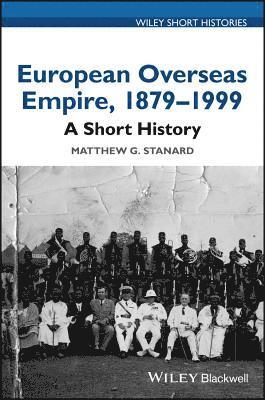
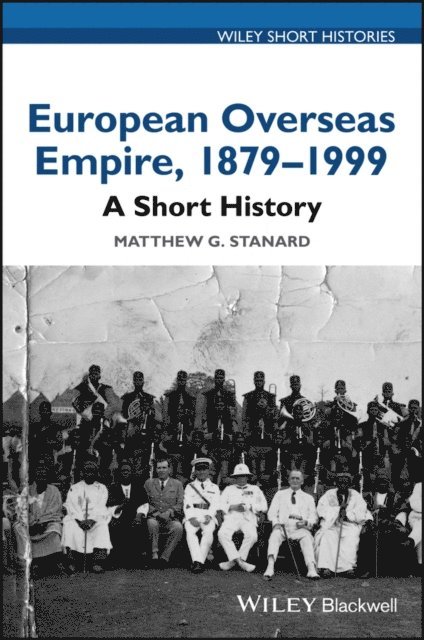
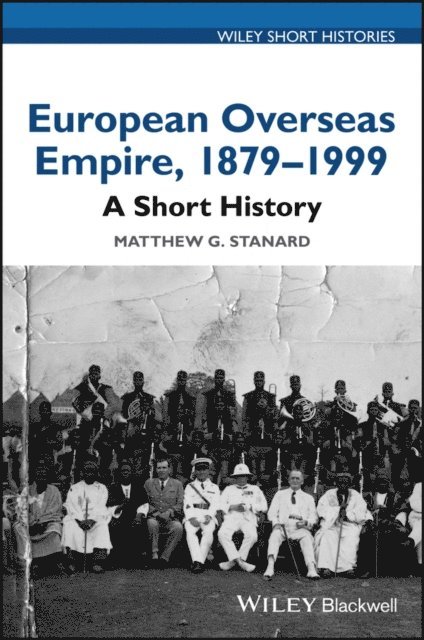
A Timely Look Back at the Era That Shaped Our WorldThousands of years of recorded history show that the main way in which human societies have been organized is as empires. Today, the evidence of recent European overseas empire’s lasting effects is all around us: from international frontiers and fusion cuisine to multiplying apologies for colonial misdeeds. European Overseas Empire, 1879-1999: A Short History explores the major events in this critical period that continue to inform and affect our world today.New access to archives and a renewed interest in the most recent era of European overseas empire building and the decolonization that followed have produced a wealth of fascinating information that has recharged perennial debates and shed new light on topics previously considered settled . At the same time, current events are once again beginning to echo the past, bringing historical perspective into the spotlight to guide our actions going forward. This book examines our collective past, providing new insight and fresh perspectives as it: Traces current events to their roots in the European overseas imperialism of the 19th and 20th centuriesChallenges the notion of political, cultural, social, and economic exchanges of the era as being primarily “Europe-outward”Examines the complexity and contingency of colonial rule, and the range of outcomes for the various territories involvedExplores the power dynamics of overseas empires, and their legacies that continue to shape the world today
347 kr
Skickas inom 7-10 vardagar
A Timely Look Back at the Era That Shaped Our WorldThousands of years of recorded history show that the main way in which human societies have been organized is as empires. Today, the evidence of recent European overseas empire’s lasting effects is all around us: from international frontiers and fusion cuisine to multiplying apologies for colonial misdeeds. European Overseas Empire, 1879-1999: A Short History explores the major events in this critical period that continue to inform and affect our world today.New access to archives and a renewed interest in the most recent era of European overseas empire building and the decolonization that followed have produced a wealth of fascinating information that has recharged perennial debates and shed new light on topics previously considered settled . At the same time, current events are once again beginning to echo the past, bringing historical perspective into the spotlight to guide our actions going forward. This book examines our collective past, providing new insight and fresh perspectives as it: Traces current events to their roots in the European overseas imperialism of the 19th and 20th centuriesChallenges the notion of political, cultural, social, and economic exchanges of the era as being primarily “Europe-outward”Examines the complexity and contingency of colonial rule, and the range of outcomes for the various territories involvedExplores the power dynamics of overseas empires, and their legacies that continue to shape the world today
940 kr
Skickas inom 5-8 vardagar
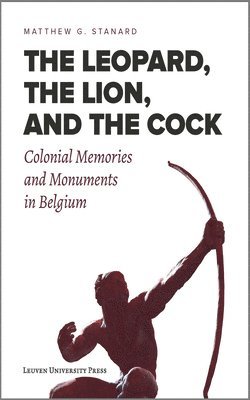
The degree to which the late colonial era affected Europe has been for long underappreciated, and only recently have European countries started to acknowledge not having come to terms with decolonization. In Belgium, the past two decades have witnessed a growing awareness of the controversial episodes in the country's colonial past. This volume examines the long-term effects and legacies of the colonial era on Belgium after 1960, the year the Congo gained its independence, and calls into question memories of the colonial past by focusing on the meaning and place of colonial monuments in public space.The book foregrounds the enduring presence of "empire" in everyday Belgian life in the form of permanent colonial markers in bronze and stone, lieux de memoires of the country's history of overseas expansion. By means of photographs and explanations of major pro-colonial memorials, as well as several obscure ones, the book reveals the surprising degree to which Belgium became infused with a colonialist spirit during the colonial era. Another key component of the analysis is an account of the varied ways that both Dutch- and French-speaking Belgians approached the colonial past after 1960, treating memorials variously as objects of veneration, with indifference, or as symbols to be attacked or torn down. The book provides a thought-provoking reflection on culture, colonialism, and the remainders of empire in Belgium after 1960.