334 kr
Skickas inom 5-8 vardagar
334 kr
Skickas inom 5-8 vardagar
384 kr
Skickas inom 5-8 vardagar
531 kr
Läs direkt efter köp
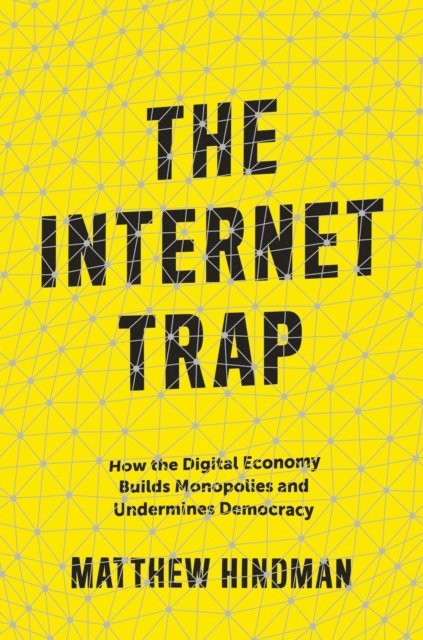
A book that challenges everything you thought you knew about the online economyThe internet was supposed to fragment audiences and make media monopolies impossible. Instead, behemoths like Google and Facebook now dominate the time we spend online—and grab all the profits from the attention economy. The Internet Trap explains how this happened. This provocative and timely book sheds light on the stunning rise of the digital giants and the online struggles of nearly everyone else—and reveals what small players can do to survive in a game that is rigged against them.Matthew Hindman shows how seemingly tiny advantages in attracting users can snowball over time. The internet has not reduced the cost of reaching audiences—it has merely shifted who pays and how. Challenging some of the most enduring myths of digital life, Hindman explains why the internet is not the postindustrial technology that has been sold to the public, how it has become mathematically impossible for grad students in a garage to beat Google, and why net neutrality alone is no guarantee of an open internet. He also explains why the challenges for local digital news outlets and other small players are worse than they appear and demonstrates what it really takes to grow a digital audience and stay alive in today’s online economy.The Internet Trap shows why, even on the internet, there is still no such thing as a free audience.
233 kr
Skickas inom 5-8 vardagar
447 kr
Läs direkt efter köp
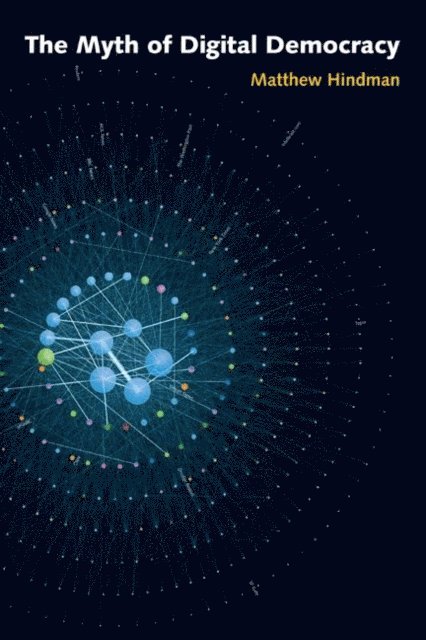
Is the Internet democratizing American politics? Do political Web sites and blogs mobilize inactive citizens and make the public sphere more inclusive? The Myth of Digital Democracy reveals that, contrary to popular belief, the Internet has done little to broaden political discourse but in fact empowers a small set of elites--some new, but most familiar. Matthew Hindman argues that, though hundreds of thousands of Americans blog about politics, blogs receive only a miniscule portion of Web traffic, and most blog readership goes to a handful of mainstream, highly educated professionals. He shows how, despite the wealth of independent Web sites, online news audiences are concentrated on the top twenty outlets, and online organizing and fund-raising are dominated by a few powerful interest groups. Hindman tracks nearly three million Web pages, analyzing how their links are structured, how citizens search for political content, and how leading search engines like Google and Yahoo! funnel traffic to popular outlets. He finds that while the Internet has increased some forms of political participation and transformed the way interest groups and candidates organize, mobilize, and raise funds, elites still strongly shape how political material on the Web is presented and accessed. The Myth of Digital Democracy. debunks popular notions about political discourse in the digital age, revealing how the Internet has neither diminished the audience share of corporate media nor given greater voice to ordinary citizens.
155 kr
Läs direkt efter köp
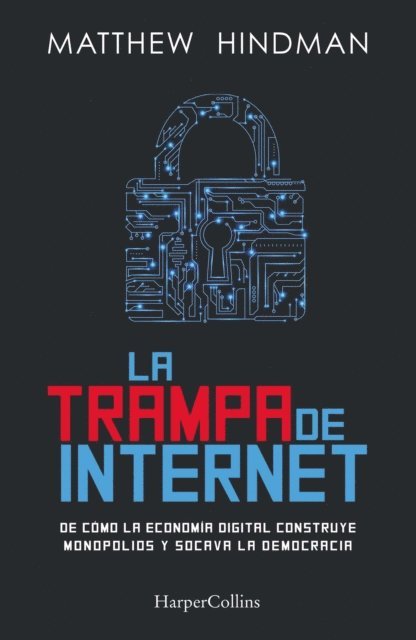
Nos dijeron que Internet fragmentaría las audiencias y hacía que los monopolios de los medios fueran imposibles. En cambio, gigantes como Google y Facebook ahora dominan casi todo el tiempo que pasamos en línea y obtienen todos los beneficios de la economía de la atención. La trampa de la Internet explica cómo sucedió esto. Este libro provocativo y oportuno arroja luz sobre el sorprendente aumento de los gigantes digitales y las luchas en línea de casi todos los demás.
Este libro revela el gran impacto de las fuentes de noticias en línea para la democracia y la economía de mercado. Utiliza datos nuevos y actualizados sobre el tráfico de la página web y la vida útil del sitio web. El argumento del libro atraerá a audiencias fuera del mundo académico, con aplicaciones prácticas sobre cómo puede la gente Entender el mundo de las noticias online.
La información expuesta en el libro está debidamente sustentada con fuentes de información confiables. Está avalado por un gran trabajo de investigación y capacidad de análisis de datos, el texto se atiene principalmente a un análisis cuantitativo; sin embargo, cuando es preciso explicar fenómenos sociales, el autor no tiene problema para demostrar de forma cualitativa la relevancia de los datos expuestos. Presenta tablas que sintetizan la información y está redactado de forma sencilla y clara.