Matthew J. Kisner – författare
Visar alla böcker från författaren Matthew J. Kisner. Handla med fri frakt och snabb leverans.
12 produkter
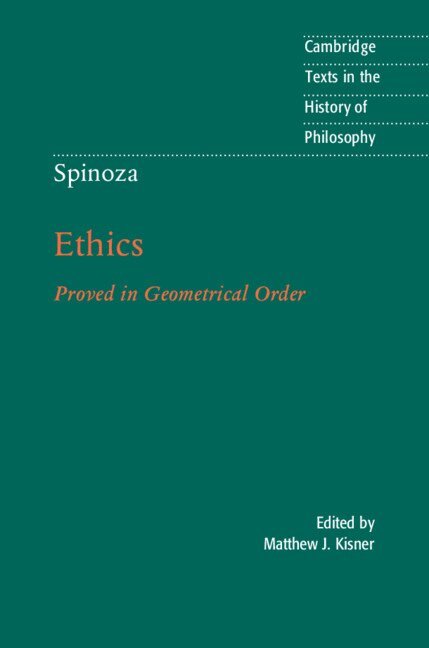
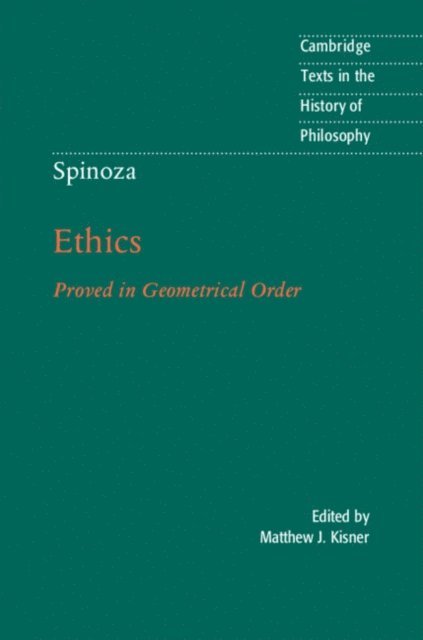
Spinoza: Ethics
Proved in Geometrical Order
Häftad, 2018
389 kr
Lägg i varukorg
Spinoza's Ethics is one of the most significant texts of the early modern period, important to history, philosophy, Jewish studies and religious studies. It had a major influence on Enlightenment thinkers and the development of the modern world. In Ethics, Spinoza addresses the most fundamental …
Essays on Spinoza's Ethical Theory
Av Andrew Youpa, Matthew J. Kisner
E-bok, 2014
1299 kr
Lägg i varukorg
Thirteen original essays by leading scholars explore aspects of Spinoza''s ethical theory and, in doing so, deepen our understanding of the richly rewarding core of his system. Given its importance to his philosophical ambitions, it is surprising that his ethics has, until recently, received …
Essays on Spinoza's Ethical Theory
Av Matthew J. Kisner, Matthew J. Kisner m. fl.
Inbunden, 2014
2119 kr
Lägg i varukorg
Thirteen original essays by leading scholars explore aspects of Spinoza's ethical theory and, in doing so, deepen our understanding of the richly rewarding core of his system. Given its importance to his philosophical ambitions, it is surprising that his ethics has, until recently, received …
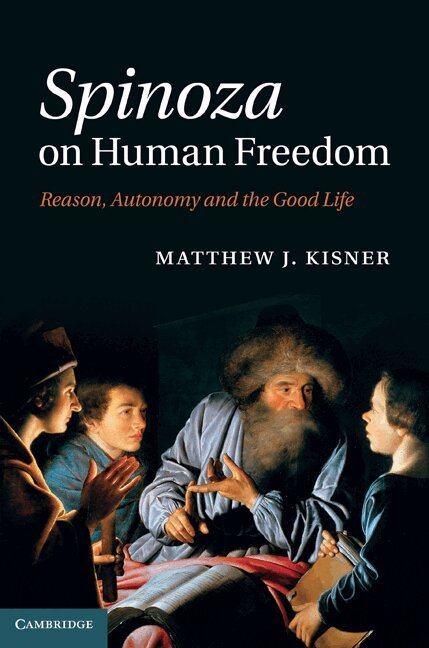
Spinoza on Human Freedom
Reason, Autonomy and the Good Life
Inbunden, 2011
1628 kr
Lägg i varukorg
Spinoza was one of the most influential figures of the Enlightenment, but his often obscure metaphysics makes it difficult to understand the ultimate message of his philosophy. Although he regarded freedom as the fundamental goal of his ethics and politics, his theory of freedom has not received …
Spinoza on Free Will
Häftad, 2026
308 kr
Lägg i varukorg
In recent writings on popular science, there has been much handwringing about the apparently deterministic picture of human decision making suggested by the latest scientific research. Robert Sapolsky's bestselling Determined boldly argues that morality must be reformed because free will has been …
Spinoza on Free Will
Inbunden, 2026
892 kr
Lägg i varukorg
In recent writings on popular science, there has been much handwringing about the apparently deterministic picture of human decision making suggested by the latest scientific research. Robert Sapolsky's bestselling Determined boldly argues that morality must be reformed because free will has been …
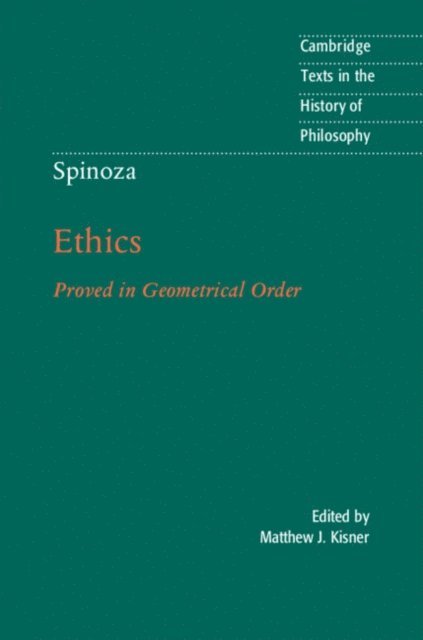
Spinoza: Ethics
Proved in Geometrical Order
Inbunden, 2018
1449 kr
Lägg i varukorg
Spinoza's Ethics is one of the most significant texts of the early modern period, important to history, philosophy, Jewish studies and religious studies. It had a major influence on Enlightenment thinkers and the development of the modern world. In Ethics, Spinoza addresses the most fundamental …
Spinoza on Human Freedom
Reason, Autonomy and the Good Life
Häftad, 2013
732 kr
Lägg i varukorg
Spinoza was one of the most influential figures of the Enlightenment, but his often obscure metaphysics makes it difficult to understand the ultimate message of his philosophy. Although he regarded freedom as the fundamental goal of his ethics and politics, his theory of freedom has not received …
Spinoza: Ethics
Proved in Geometrical Order
E-bok, 2018
431 kr
Lägg i varukorg
Spinoza''s Ethics is one of the most significant texts of the early modern period, important to history, philosophy, Jewish studies and religious studies. It had a major influence on Enlightenment thinkers and the development of the modern world. In Ethics, Spinoza addresses the most fundamental …
Spinoza: Ethics
Proved in Geometrical Order
E-bok, 2018
440 kr
Lägg i varukorg
Spinoza''s Ethics is one of the most significant texts of the early modern period, important to history, philosophy, Jewish studies and religious studies. It had a major influence on Enlightenment thinkers and the development of the modern world. In Ethics, Spinoza addresses the most fundamental …