Matthew J. Slaughter – författare
Visar alla böcker från författaren Matthew J. Slaughter. Handla med fri frakt och snabb leverans.
5 produkter
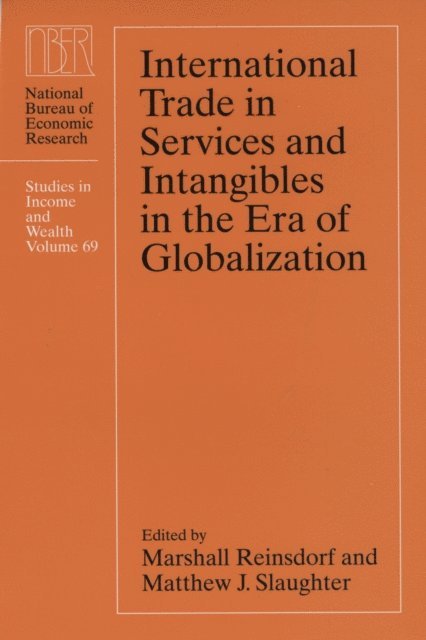
International Trade in Services and Intangibles in the Era of Globalization
Av Matthew J. Slaughter, Marshall B. Reinsdorf
E-bok, 2009
2348 kr
Lägg i varukorg
Quantitative measures of international exchange have historically focused on trade in tangible products or capital. However, services have recently become a larger portion of developed economies and international trade, and will only increase in the future. In International Trade in Services and …
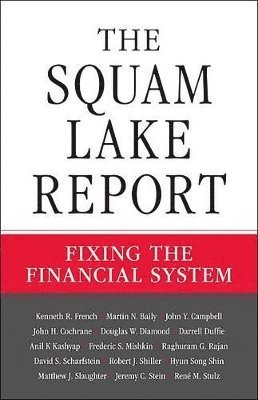
Squam Lake Report
Fixing the Financial System
Av Kenneth R. French, Martin N. Baily m. fl.
Inbunden, 2010
183 kr
Lägg i varukorg
In the fall of 2008, fifteen of the world's leading economists--representing the broadest spectrum of economic opinion--gathered at New Hampshire's Squam Lake. Their goal: the mapping of a long-term plan for financial regulation reform. The Squam Lake Report distills the wealth of insights from the …
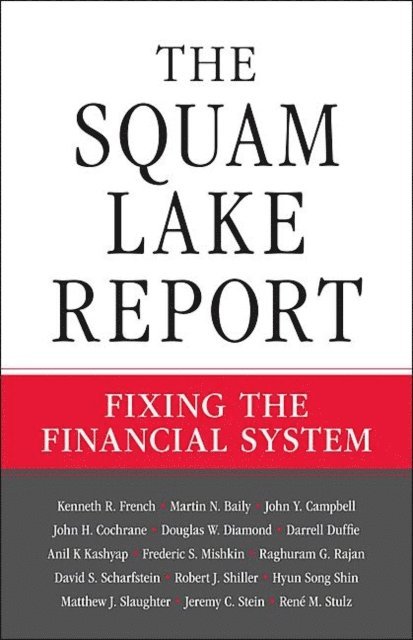
Squam Lake Report
Fixing the Financial System
Av Rene M. Stulz, Jeremy C. Stein m. fl.
E-bok, 2010
243 kr
Lägg i varukorg
A nonpartisan plan of action for fixing the global economy from fifteen of the world''s leading economists In the fall of 2008, fifteen of the world''s leading economists—representing the broadest spectrum of economic opinion—gathered at New Hampshire''s Squam Lake. Their goal: the mapping of a …
International Trade in Services and Intangibles in the Era of Globalization
Av Marshall B. Reinsdorf, Matthew J. Slaughter
Inbunden, 2009
1059 kr
Tillfälligt slut
Quantitative measures of international exchange have historically focused on trade in tangible products or capital. However, services have recently become a larger portion of developed economies and international trade, and their role will only increase in the future. In "International Trade in …