
Matthew J Wade – författare
Visar alla böcker från författaren Matthew J Wade. Handla med fri frakt och snabb leverans.
2 produkter
2 produkter
1 822 kr
Tillfälligt slut
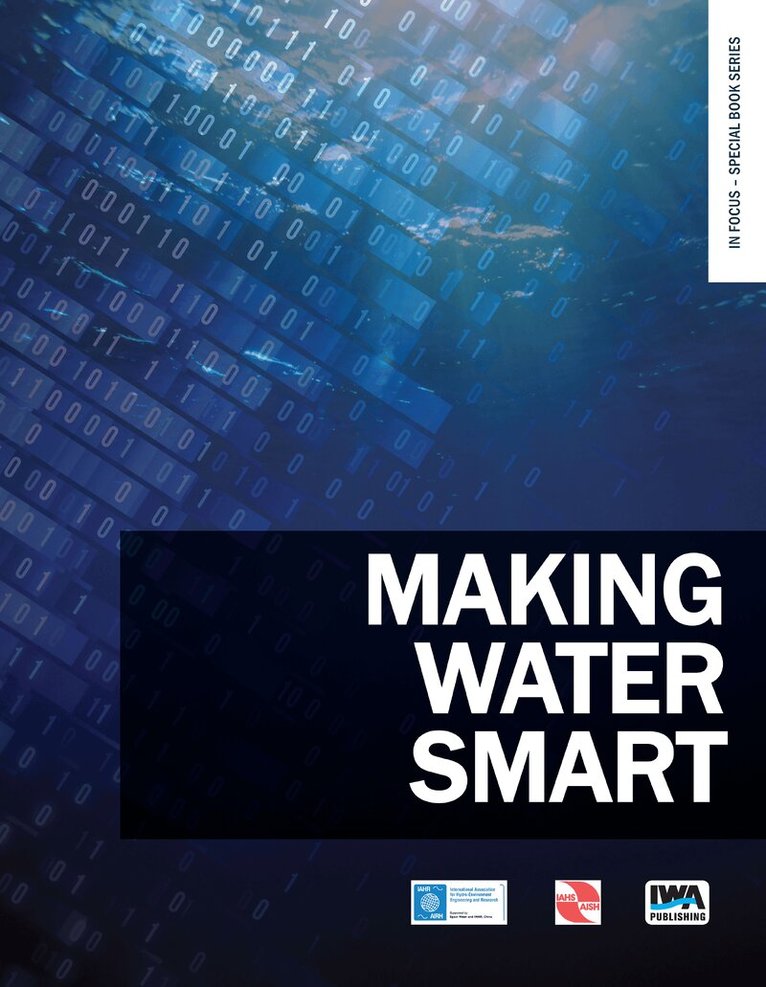
This chapters in this book highlight the breadth of smart water technologies and applications. From the use of classical machine learning and data transformation methods for process improvement, to data management and assimilation in models for better monitoring control, a selection of these chapters describes the acquisition and preparation of data as an initial step in its use as part of a digital framework for smart water applications. Importantly, several chapters examine the use of smart tools and contemporary AI technologies, such as neural networks and Internet of Things, that demonstrate value in non-conventional or remote environments. This collection demonstrates the innovation possible through the entire ‘pipeline’ of the process of applying smart water techniques, from data measurement and collection, through initial analysis to the application of machine learning and AI techniques and finally through to system deployment. Each of these steps plays an important role in the application of data science and AI techniques to water problems. Collectively, the book showcases the innovation required to leverage modern data science and AI approaches in the water sector and collectively point the way towards a future of new measurement techniques, innovative methodologies, and intuitive human interaction to truly ‘Make Water Smart’.In Focus – a book series that showcases the latest accomplishments in water research. Each book focuses on a specialist area with papers from top experts in the field. It aims to be a vehicle for in-depth understanding and inspire further conversations in the sector.
1 384 kr
Tillfälligt slut
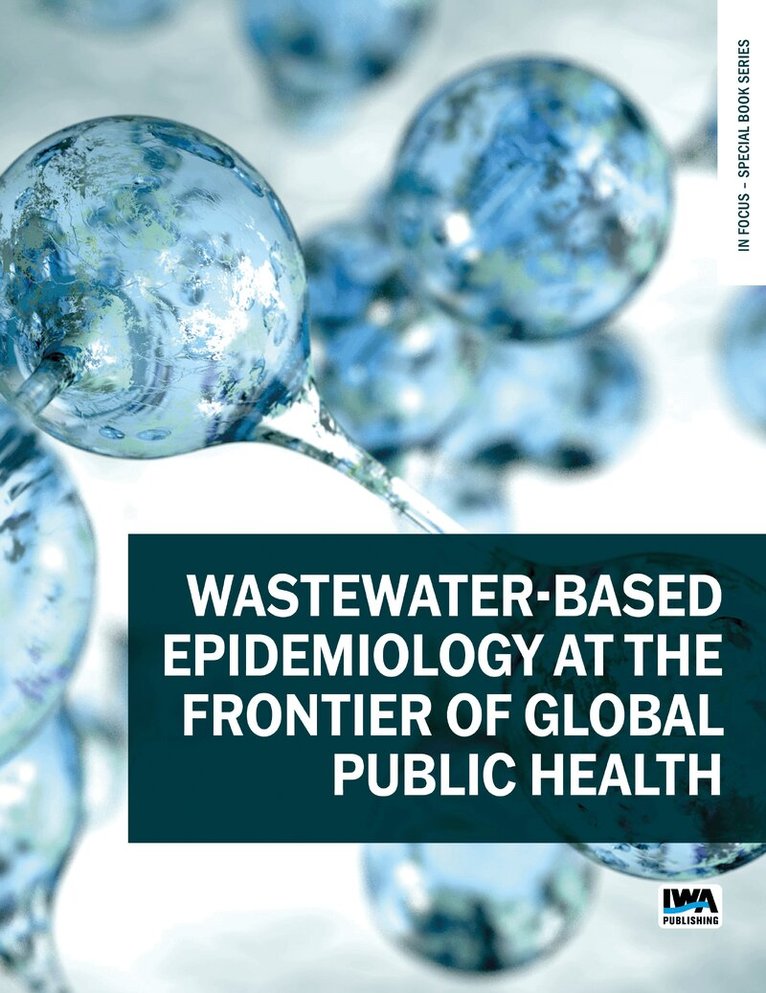
The COVID-19 pandemic demonstrated the necessity for highly interdisciplinary, multi-stakeholder collaboration to enable effective public health practice and response. The application of wastewater monitoring to support the pandemic response was demonstrated quickly, leveraging existing scientific and engineering capability to develop rapidly methods that enabled scaling of monitoring programmes across the globe. The science and practice of wastewater monitoring, or wastewater-based epidemiology (WBE) as it is often termed in the context of surveillance, for public health threats is well-documented. As a highly socialised tool, national, regional and international communities of interest have joined efforts to provide evidence of the value of the data derived and its application in practice. While the use of wastewater monitoring to detect and characterise targets of public health concern is not new, COVID-19 and the (re)emergence of rare, novel or unexpected pathogens stresses the importance of continued research and development into the utility of wastewater monitoring and utility of the data it generates. As wastewater monitoring continues to move from the research community into applied public health agencies, there is a need to develop standard methods and data analytics for specific applications. Establishing WBE at the frontier of global public health requires a clearer understanding and acknowledgment of its value by public health policy makers, regulators and government.This book presents a broad view of WBE thinking and practice, delineating the current understanding and future potential of the field. The topics covered range from geographically distinct reports on the use of WBE to inform on pathogen circulation in a population, through technical developments and data utility, to commentaries on future challenges and opportunities including for WBE ‘beyond the pandemic’.In Focus – a book series that showcases the latest accomplishments in water research. Each book focuses on a specialist area with papers from top experts in the field. It aims to be a vehicle for in-depth understanding and to inspire further conversations in the sector.