Matthew M. Mesley – författare
Visar alla böcker från författaren Matthew M. Mesley. Handla med fri frakt och snabb leverans.
4 produkter
4 produkter
651 kr
Skickas inom 10-15 vardagar
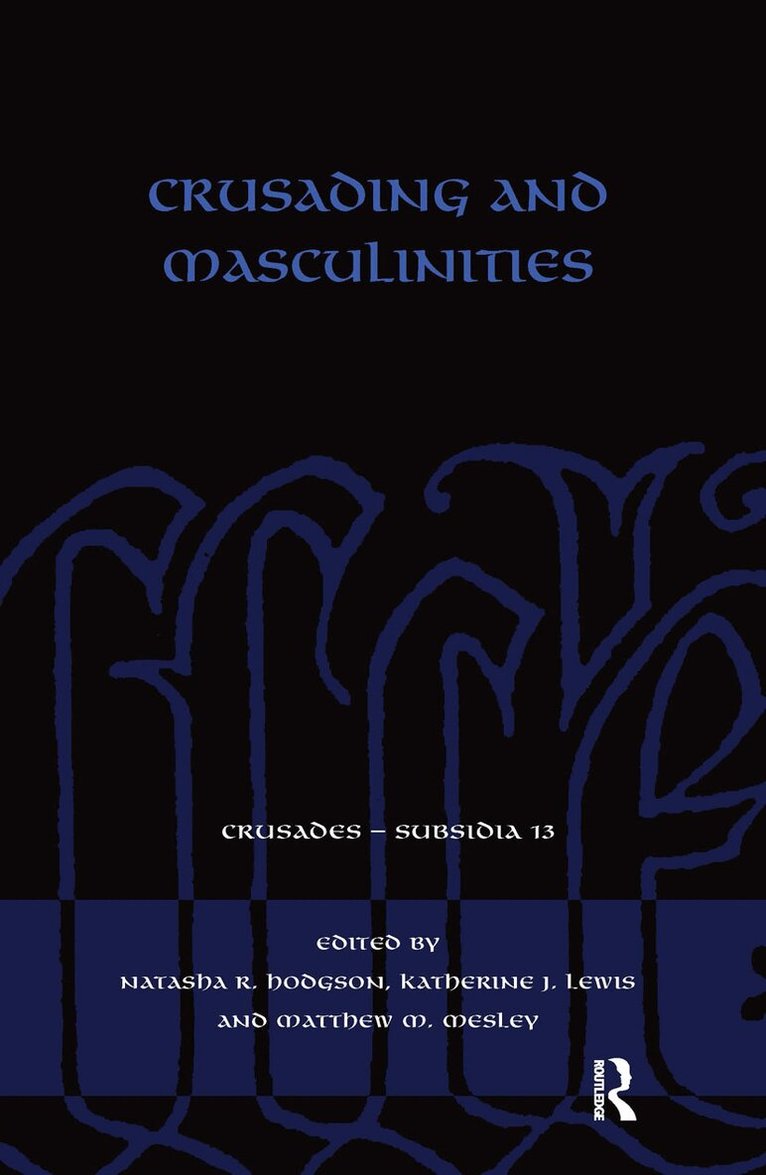
This volume presents the first substantial exploration of crusading and masculinity, focusing on the varied ways in which the symbiotic relationship between the two was made manifest in a range of medieval settings and sources, and to what ends. Ideas about masculinity formed an inherent part of the mindset of societies in which crusading happened, and of the conceptual framework informing both those who recorded the events and those who participated. Examination and interrogation of these ideas enables a better contextualised analysis of how those events were experienced, comprehended and portrayed. The collection is structured around five themes: sources and models; contrasting masculinities; emasculation and transgression; masculinity and religiosity and kingship and chivalry. By incorporating masculinity within their analysis of the crusades and of crusaders the contributors demonstrate how such approaches greatly enhance our understanding of crusading as an ideal, an institution and an experience. Individual essays consider western campaigns to the Middle East and Islamic responses; events and sources from the Iberian peninsula and Prussia are also interrogated and re-examined, thus enabling cross-cultural comparison of the meanings attached to medieval manhood. The collection also highlights the value of employing gender as a vital means of assessing relationships between different groups of men, whose values and standards of behaviour were socially and culturally constructed in distinct ways.
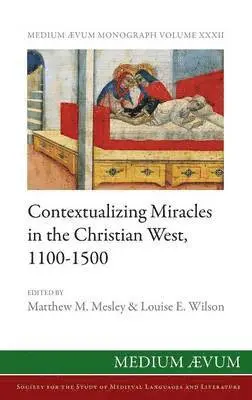
Contextualizing Miracles in the Christian West, 1100-1500
New Historical Approaches
Inbunden, Engelska, 2014
494 kr
Skickas inom 5-8 vardagar
Contextualizing Miracles in the Christian West, 1100-1500
New Historical Approaches
Häftad, Engelska, 2015
334 kr
Skickas inom 5-8 vardagar
2 176 kr
Skickas inom 10-15 vardagar
This volume presents the first substantial exploration of crusading and masculinity, focusing on the varied ways in which the symbiotic relationship between the two was made manifest in a range of medieval settings and sources, and to what ends. Ideas about masculinity formed an inherent part of the mindset of societies in which crusading happened, and of the conceptual framework informing both those who recorded the events and those who participated. Examination and interrogation of these ideas enables a better contextualised analysis of how those events were experienced, comprehended and portrayed. The collection is structured around five themes: sources and models; contrasting masculinities; emasculation and transgression; masculinity and religiosity and kingship and chivalry. By incorporating masculinity within their analysis of the crusades and of crusaders the contributors demonstrate how such approaches greatly enhance our understanding of crusading as an ideal, an institution and an experience. Individual essays consider western campaigns to the Middle East and Islamic responses; events and sources from the Iberian peninsula and Prussia are also interrogated and re-examined, thus enabling cross-cultural comparison of the meanings attached to medieval manhood. The collection also highlights the value of employing gender as a vital means of assessing relationships between different groups of men, whose values and standards of behaviour were socially and culturally constructed in distinct ways.