Matthew Stibbe – författare
Visar alla böcker från författaren Matthew Stibbe. Handla med fri frakt och snabb leverans.
48 produkter
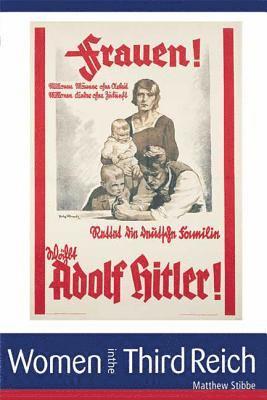
Women in the Third Reich
Häftad, 2003
414 kr
Lägg i varukorg
The importance of gender as a category of analysis is now very widely accepted, but there has been a slowness to bring it to bear in general interpretative surveys of Nazi Germany. This new study aims to remedy the omission, to reintroduce as actors on the historical stage that half of the German …
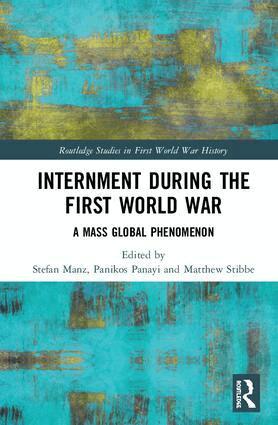
Internment during the First World War
A Mass Global Phenomenon
Av Stefan Manz, Panikos Panayi m. fl.
Häftad, 2020
725 kr
Lägg i varukorg
Although civilian internment has become associated with the Second World War in popular memory, it has a longer history. The turning point in this history occurred during the First World War when, in the interests of ‘security’ in a situation of total war, the internment of ‘enemy aliens’ became …
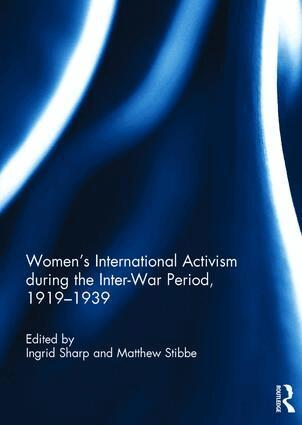
Women's International Activism during the Inter-War Period, 1919–1939
Av Ingrid Sharp, Matthew Stibbe
Häftad, 2019
711 kr
Lägg i varukorg
In historical writing the interwar years are often associated with the rise of extreme forms of nationalism. Yet paradoxically this period also saw significant advances in the development of internationalism and international-mindedness. This collection examines previously under-researched aspects …
Captivity, Forced Labour and Forced Migration in Europe during the First World War
Inbunden, 2009
2581 kr
Lägg i varukorg
The notion of the First World War as 'the great seminal catastrophe' (Urkatastrophe) of the twentieth century is now firmly established in historiography. Yet astonishingly little has been written about the fate of non-combatants in occupied and non-occupied territory, including civilian internees, …
Internment during the First World War
A Mass Global Phenomenon
Av Stefan Manz, Panikos Panayi m. fl.
Inbunden, 2018
2581 kr
Lägg i varukorg
Although civilian internment has become associated with the Second World War in popular memory, it has a longer history. The turning point in this history occurred during the First World War when, in the interests of ‘security’ in a situation of total war, the internment of ‘enemy aliens’ became …
Captivity, Forced Labour and Forced Migration in Europe during the First World War
Häftad, 2013
845 kr
Lägg i varukorg
The notion of the First World War as 'the great seminal catastrophe' (Urkatastrophe) of the twentieth century is now firmly established in historiography. Yet astonishingly little has been written about the fate of non-combatants in occupied and non-occupied territory, including civilian internees, …
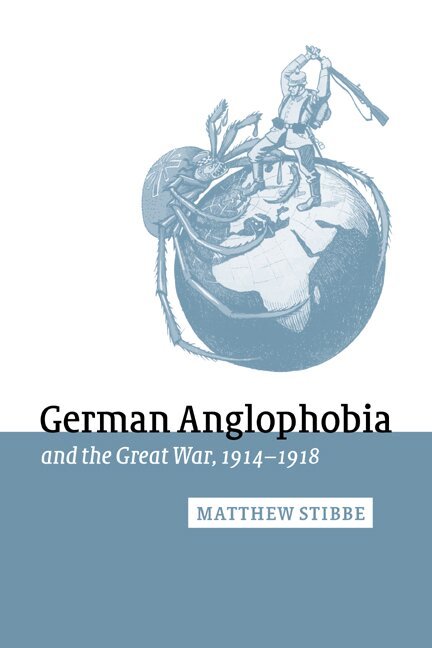
German Anglophobia and the Great War, 1914-1918
Av Matthew Stibbe, Jay Winter m. fl.
Häftad, 2006
921 kr
Lägg i varukorg
This is the first major study of German attitudes towsrds England during the Great War, 1914-18, continuing the story of Anglo-German antagonism where previous studies have ended. In particular it focuses on the extremity of anti-English feeling in Germany in the early years of the war, and on the …
German Anglophobia and the Great War, 1914-1918
Inbunden, 2001
1643 kr
Lägg i varukorg
This is the first major study of German attitudes towsrds England during the Great War, 1914-18, continuing the story of Anglo-German antagonism where previous studies have ended. In particular it focuses on the extremity of anti-English feeling in Germany in the early years of the war, and on the …
British Civilian Internees in Germany
The Ruhleben Camp, 1914–1918
Inbunden, 2008
1263 kr
Lägg i varukorg
This fascinating book tells the forgotten story of four to five thousand British civilians who were interned at the Ruhleben camp near Berlin during the First World War and formed a unique community in the heart of enemy territory. The civilians included academics, musicians, businessmen, seamen …
British civilian internees in Germany
The Ruhleben camp, 1914–1918
Häftad, 2008
382 kr
Lägg i varukorg
This fascinating book tells the forgotten story of four to five thousand British civilians who were interned at the Ruhleben camp near Berlin during the First World War and formed a unique community in the heart of enemy territory. The civilians included academics, musicians, businessmen, seamen …
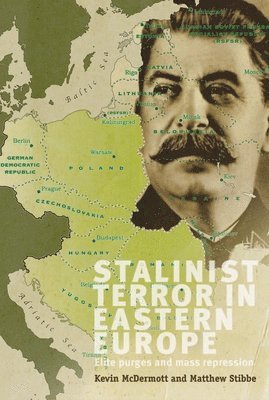
Stalinist Terror in Eastern Europe
Elite Purges and Mass Repression
Av Kevin McDermott, Matthew Stibbe
Inbunden, 2010
1224 kr
Lägg i varukorg
This wide-ranging collection of essays is the first book in English to examine the impact of Stalinist terror on Eastern Europe in the years 1940 to 1956. Covering the Baltic states, Moldavia, East Germany, Poland, Czechoslovakia, Hungary, Romania, Yugoslavia, Bulgaria and Albania, the authors …
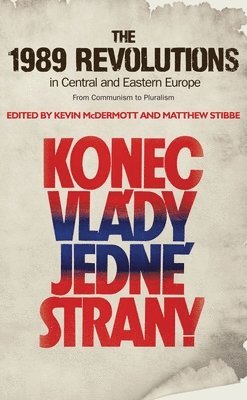
1989 Revolutions in Central and Eastern Europe
From Communism to Pluralism
Av Kevin McDermott, Matthew Stibbe
Inbunden, 2013
1337 kr
Lägg i varukorg
This important book reassesses a defining historical, political and ideological moment in contemporary history: the 1989 revolutions in central and eastern Europe. Adopting a multi-disciplinary approach, the authors reconsider such crucial themes as the broader historical significance of the 1989 …
Stalinist Terror in Eastern Europe
Elite purges and mass repression
Av Kevin McDermott, Matthew Stibbe
Häftad, 2012
371 kr
Lägg i varukorg
This wide-ranging collection of essays, newly available in paperback, is the first book in English to examine the impact of Stalinist terror on Eastern Europe in the years 1940 to 1956. Covering the Baltic states, Moldavia, East Germany, Poland, Czechoslovakia, Hungary, Romania, Yugoslavia, …
1989 Revolutions in Central and Eastern Europe
From Communism to Pluralism
Av Kevin McDermott, Matthew Stibbe
Häftad, 2016
374 kr
Lägg i varukorg
This important book reassesses a defining historical, political and ideological moment in contemporary history: the 1989 revolutions in Central and Eastern Europe. Adopting a multi-disciplinary approach, the authors reconsider such crucial themes as the broader historical significance of the 1989 …
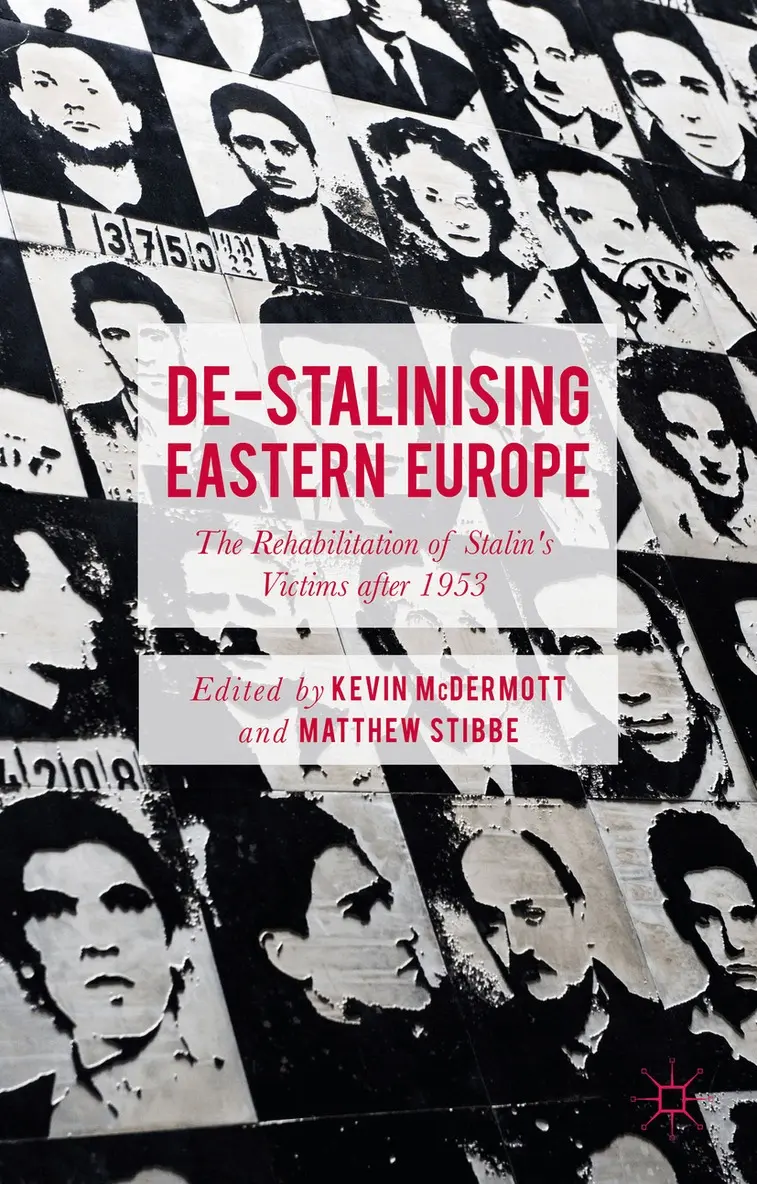
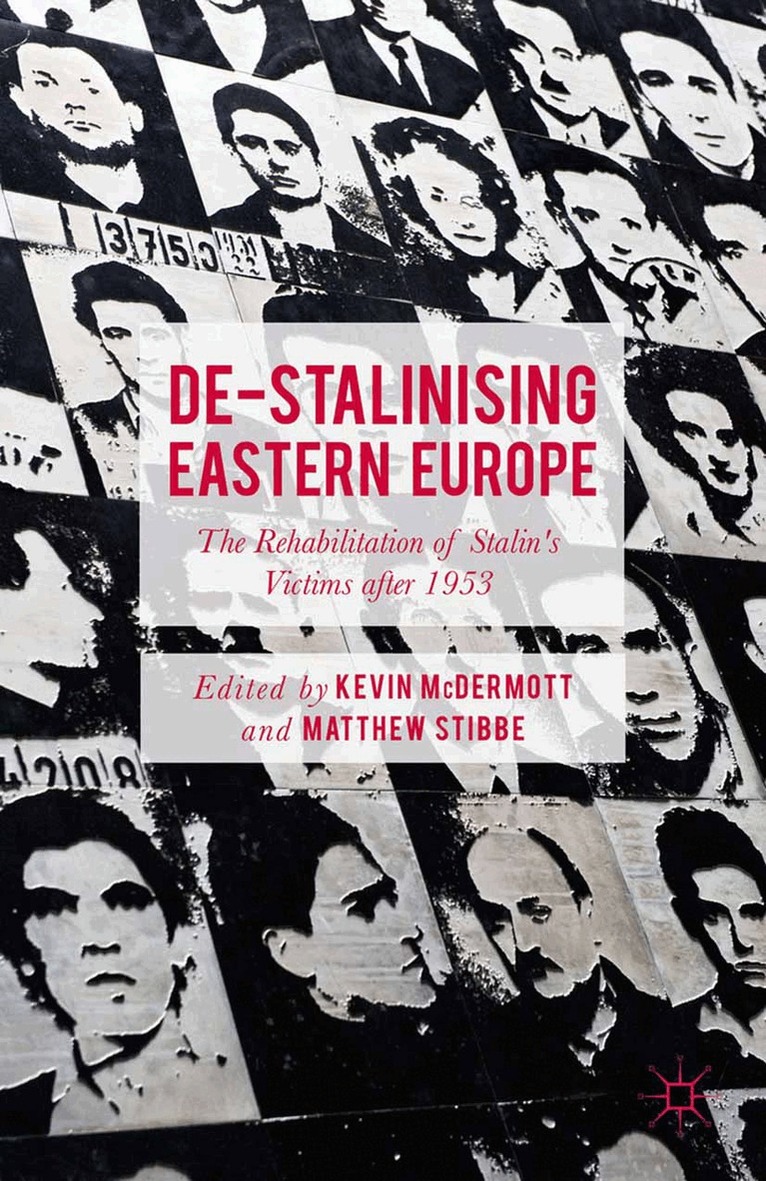
De-Stalinising Eastern Europe
The Rehabilitation of Stalin's Victims after 1953
Av Kevin McDermott, Matthew Stibbe
Inbunden, 2015
568 kr
Lägg i varukorg
This unique volume examines how and to what extent former victims of Stalinist terror from across the Soviet Union and Eastern Europe were received, reintegrated and rehabilitated following the mass releases from prisons and labour camps which came in the wake of Stalin's death in 1953 and …
De-Stalinising Eastern Europe
The Rehabilitation of Stalin''s Victims after 1953
Av Matthew Stibbe, Kevin McDermott
E-bok, 2015
803 kr
Lägg i varukorg
This unique volume examines how and to what extent former victims of Stalinist terror from across the Soviet Union and Eastern Europe were received, reintegrated and rehabilitated following the mass releases from prisons and labour camps which came in the wake of Stalin''s death in 1953 and …
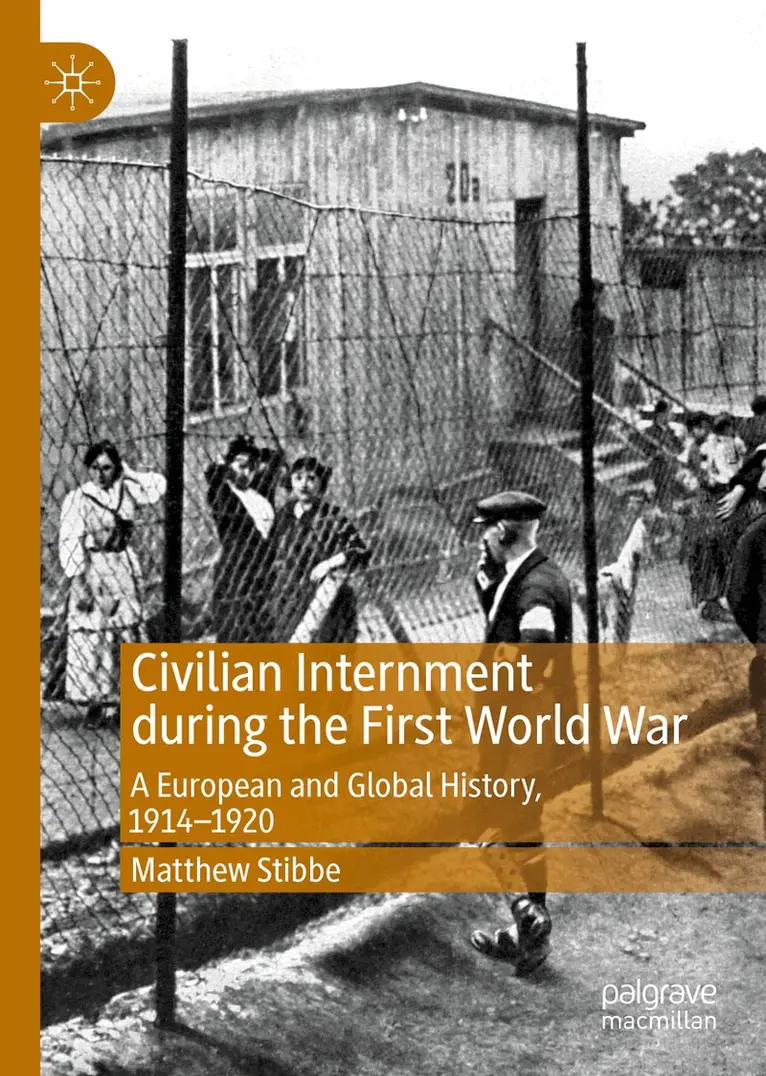
Civilian Internment during the First World War
A European and Global History, 1914—1920
Inbunden, 2019
1577 kr
Lägg i varukorg
This book is the first major study of civilian internment during the First World War as both a European and global phenomenon. Based on research spanning twenty-eight archives in seven countries, this study explores the connections and continuities, as well as ruptures, between different internment …
Civilian Internment during the First World War
A European and Global History, 1914—1920
E-bok, 2019
2131 kr
Lägg i varukorg
This book is the first major study of civilian internment during the First World War as both a European and global phenomenon. Based on research spanning twenty-eight archives in seven countries, this study explores the connections and continuities, as well as ruptures, between different internment …
Women's International Activism during the Inter-War Period, 1919–1939
Av Ingrid Sharp, Matthew Stibbe
Inbunden, 2017
2590 kr
Lägg i varukorg
In historical writing the interwar years are often associated with the rise of extreme forms of nationalism. Yet paradoxically this period also saw significant advances in the development of internationalism and international-mindedness. This collection examines previously under-researched aspects …
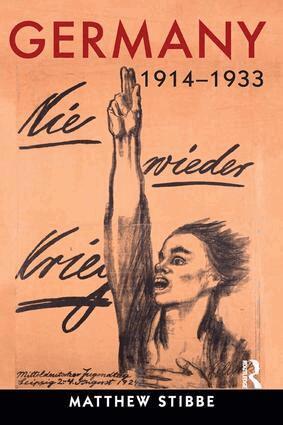
Germany, 1914-1933
Politics, Society and Culture
Inbunden, 2015
2590 kr
Lägg i varukorg
Germany, 1914-1933: Politics, Society and Culture takes a fresh and critical look at a crucial period in German history. Rather than starting with the traditional date of 1918, the book begins with the outbreak of the First World War in 1914, and argues that this was a pivotal turning point in …
Germany, 1914-1933
Politics, Society and Culture
E-bok, 2013
642 kr
Lägg i varukorg
Germany, 1914-1933: Politics, Society and Culture takes a fresh and critical look at a crucial period in German history. Rather than starting with the traditional date of 1918, the book begins with the outbreak of the First World War in 1914, and argues that this was a pivotal turning point in …
Germany, 1914-1933
Politics, Society and Culture
E-bok, 2013
642 kr
Lägg i varukorg
Germany, 1914-1933: Politics, Society and Culture takes a fresh and critical look at a crucial period in German history. Rather than starting with the traditional date of 1918, the book begins with the outbreak of the First World War in 1914, and argues that this was a pivotal turning point in …
Captivity, Forced Labour and Forced Migration in Europe during the First World War
E-bok, 2013
999 kr
Lägg i varukorg
The notion of the First World War as ''the great seminal catastrophe'' ( Urkatastrophe ) of the twentieth century is now firmly established in historiography. Yet astonishingly little has been written about the fate of non-combatants in occupied and non-occupied territory, including civilian …
Captivity, Forced Labour and Forced Migration in Europe during the First World War
E-bok, 2013
999 kr
Lägg i varukorg
The notion of the First World War as ''the great seminal catastrophe'' ( Urkatastrophe ) of the twentieth century is now firmly established in historiography. Yet astonishingly little has been written about the fate of non-combatants in occupied and non-occupied territory, including civilian …
De-Stalinising Eastern Europe
The Rehabilitation of Stalin's Victims after 1953
Av Kevin McDermott, Matthew Stibbe
Häftad, 2020
568 kr
Lägg i varukorg
This unique volume examines how and to what extent former victims of Stalinist terror from across the Soviet Union and Eastern Europe were received, reintegrated and rehabilitated following the mass releases from prisons and labour camps which came in the wake of Stalin's death in 1953 and …
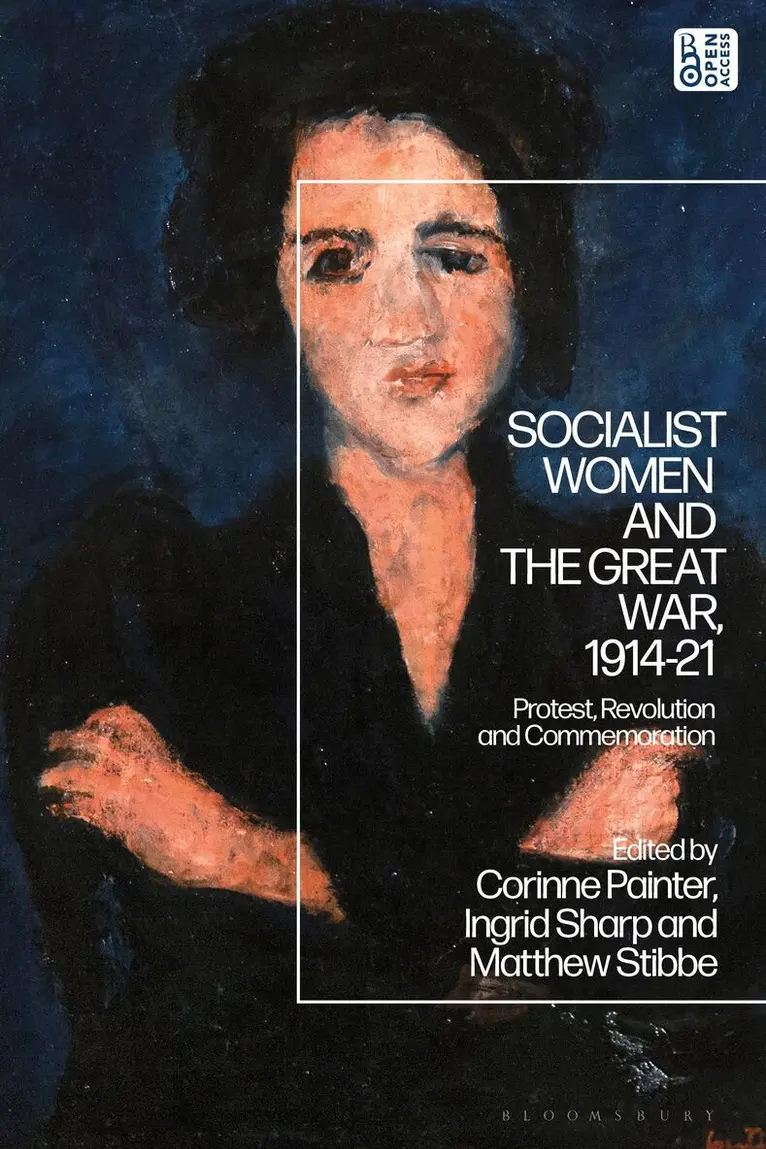
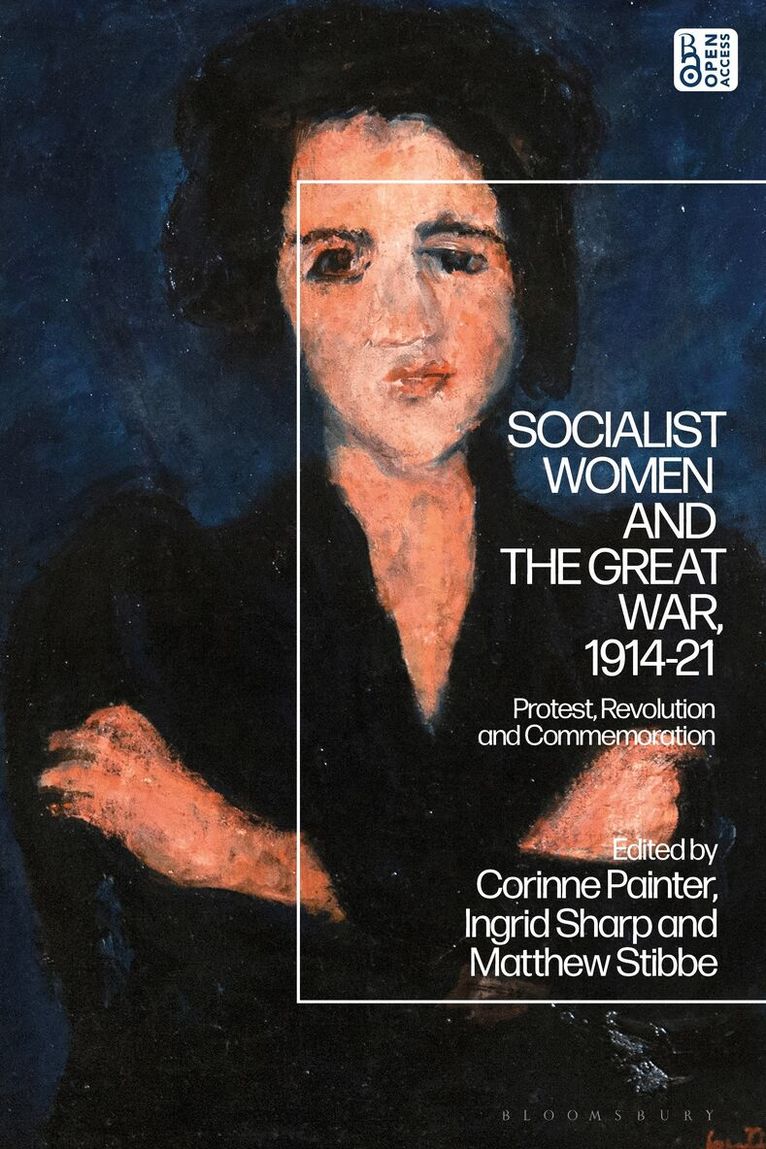
Socialist Women and the Great War, 1914-21
Protest, Revolution and Commemoration
Av Ingrid Sharp, Matthew Stibbe m. fl.
Inbunden, 2022
1319 kr
Lägg i varukorg
Socialist Women and the Great War: Protest, Revolution and Commemoration, an open access book, is the first transnational study of left-wing women and socialist revolution during the First World War and its aftermath. Through a discussion of the key themes related to women and revolution, such as …
Socialist Women and the Great War, 1914-21
Protest, Revolution and Commemoration
Av Ingrid Sharp, Matthew Stibbe m. fl.
Häftad, 2024
444 kr
Lägg i varukorg
Socialist Women and the Great War: Protest, Revolution and Commemoration, an open access book, is the first transnational study of left-wing women and socialist revolution during the First World War and its aftermath. Through a discussion of the key themes related to women and revolution, such as …
Women's International Activism during the Inter-War Period, 1919-1939
Av Matthew Stibbe, Ingrid Sharp
E-bok, 2018
838 kr
Lägg i varukorg
In historical writing the interwar years are often associated with the rise of extreme forms of nationalism. Yet paradoxically this period also saw significant advances in the development of internationalism and international-mindedness. This collection examines previously under-researched aspects …
Women's International Activism during the Inter-War Period, 1919-1939
Av Matthew Stibbe, Ingrid Sharp
E-bok, 2018
814 kr
Lägg i varukorg
In historical writing the interwar years are often associated with the rise of extreme forms of nationalism. Yet paradoxically this period also saw significant advances in the development of internationalism and international-mindedness. This collection examines previously under-researched aspects …
Internment during the First World War
A Mass Global Phenomenon
Av Matthew Stibbe, Panikos Panayi m. fl.
E-bok, 2018
838 kr
Lägg i varukorg
Although civilian internment has become associated with the Second World War in popular memory, it has a longer history. The turning point in this history occurred during the First World War when, in the interests of ‘security’ in a situation of total war, the internment of ‘enemy aliens’ became …