Matthias Röhrig Assunção – Författare
Visar alla böcker från författaren Matthias Röhrig Assunção. Handla med fri frakt och snabb leverans.
4 produkter
4 produkter
2 386 kr
Skickas inom 10-15 vardagar
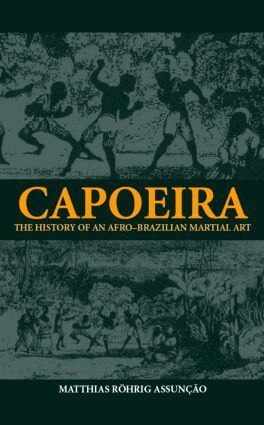
Originally the preserve of Afro-Brazilian slaves, the marginalized and the underclasses in Brazilian society, capoeira is now a mainstream sport, taught in Brazilian schools and practised by a range of social classes around the world. Some advocates now seek Olympic recognition for Capoeira.This apparent change in the meaning and purpose of Capeoira has led to conflicts between traditionalists, who view capoeira as their heritage descended from the maroons, a weapon to be used against the injustice and repression; and reformers, who wish to see Capoeira develop as an international sport.Capoeira: The History of Afro-Brazilian Martial Art explores Capoeira as a field of confrontation where the different struggles that divide Brazilian society are played out. It contains both the first comprehensive English language review of archive and contemporary literature relating to Capoeira, as well as the first scholarly account of Capoeira's history and development.
1 336 kr
Skickas inom 10-15 vardagar
Originally the preserve of Afro-Brazilian slaves, the marginalized and the underclasses in Brazilian society, capoeira is now a mainstream sport, taught in Brazilian schools and practised by a range of social classes around the world. Some advocates now seek Olympic recognition for Capoeira.This apparent change in the meaning and purpose of Capeoira has led to conflicts between traditionalists, who view capoeira as their heritage descended from the maroons, a weapon to be used against the injustice and repression; and reformers, who wish to see Capoeira develop as an international sport.Capoeira: The History of Afro-Brazilian Martial Art explores Capoeira as a field of confrontation where the different struggles that divide Brazilian society are played out. It contains both the first comprehensive English language review of archive and contemporary literature relating to Capoeira, as well as the first scholarly account of Capoeira's history and development.
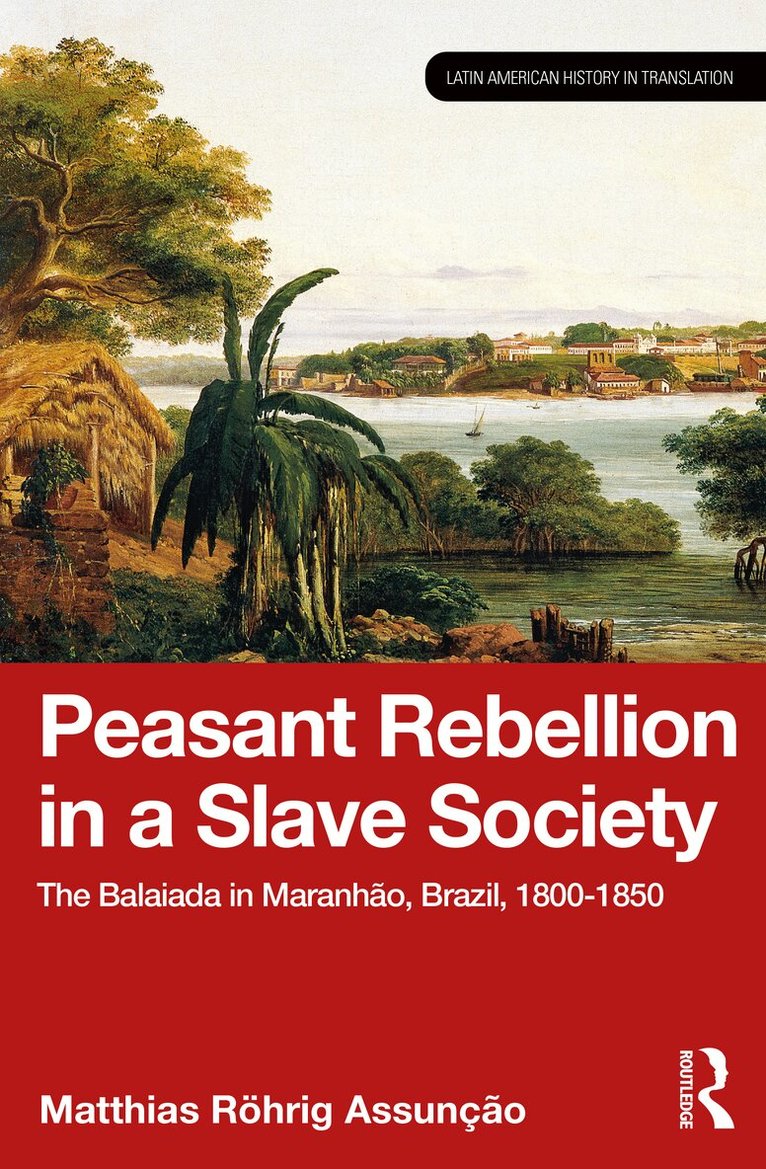
Peasant Rebellion in a Slave Society
The Balaiada in Maranhão, Brazil, 1800–1850
Häftad, Engelska, 2024
581 kr
Skickas inom 10-15 vardagar
Peasant Rebellion in a Slave Society identifies the immediate and remote reasons for the Balaiada revolt in Maranhão, Brazil, analyzing the special characteristics of the region that favored the development of a relatively independent peasantry within and around the cotton, rice, cassava, and cattle estates.The book explores the demography of Maranhão and patterns of land ownership and documents the rapid degradation of the environment by plantation‑based export agriculture. The analysis of various types of coerced and free labor, the oligopolistic structure of the colonial economy, and the key determinants of class and status contextualizes the conflict potential in Maranhão during the first half of the nineteenth century. The “People of Color,” as they called themselves, and enslaved workers from plantations rose against a White and conservative elite, claiming their constitutional rights or their freedom. The central government in Rio de Janeiro had to dispatch considerable amounts of money and troops to defeat the insurrection and subject the province again to imperial rule and enslaved workers and peasants to the plantocracy.This richly illustrated volume will be of interest to students and scholars working on slavery in the Americas and the Atlantic world, as well as Brazilian history.
Peasant Rebellion in a Slave Society
The Balaiada in Maranhão, Brazil, 1800–1850
Inbunden, Engelska, 2024
2 176 kr
Skickas inom 10-15 vardagar
Peasant Rebellion in a Slave Society identifies the immediate and remote reasons for the Balaiada revolt in Maranhão, Brazil, analyzing the special characteristics of the region that favored the development of a relatively independent peasantry within and around the cotton, rice, cassava, and cattle estates.The book explores the demography of Maranhão and patterns of land ownership and documents the rapid degradation of the environment by plantation‑based export agriculture. The analysis of various types of coerced and free labor, the oligopolistic structure of the colonial economy, and the key determinants of class and status contextualizes the conflict potential in Maranhão during the first half of the nineteenth century. The “People of Color,” as they called themselves, and enslaved workers from plantations rose against a White and conservative elite, claiming their constitutional rights or their freedom. The central government in Rio de Janeiro had to dispatch considerable amounts of money and troops to defeat the insurrection and subject the province again to imperial rule and enslaved workers and peasants to the plantocracy.This richly illustrated volume will be of interest to students and scholars working on slavery in the Americas and the Atlantic world, as well as Brazilian history.