Matti Häyry – författare
Visar alla böcker från författaren Matti Häyry. Handla med fri frakt och snabb leverans.
9 produkter
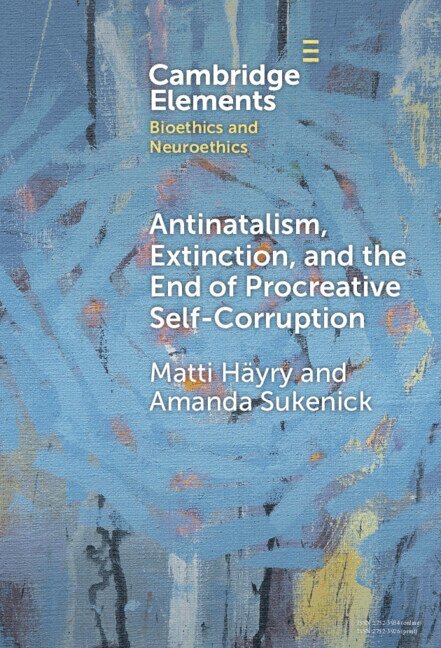
Antinatalism, Extinction, and the End of Procreative Self-Corruption
Av Matti Häyry, Amanda Sukenick
Inbunden, 2024
911 kr
Lägg i varukorg
This Element provides an exploration of antinatalism, the view that assigns a negative value to reproduction. First, the history of Western philosophy as a two-and-a-half millennia reaction to antinatalist sentiments. Human life has no obvious meaning and philosophers have been forced to build …
Rationality and the Genetic Challenge
Making People Better?
Häftad, 2010
673 kr
Lägg i varukorg
Should we make people healthier, smarter, and longer-lived if genetic and medical advances enable us to do so? Matti Häyry asks this question in the context of genetic testing and selection, cloning and stem cell research, gene therapies and enhancements. The ethical questions explored include …
Rationality and the Genetic Challenge
Making People Better?
Inbunden, 2010
1018 kr
Lägg i varukorg
Should we make people healthier, smarter, and longer-lived if genetic and medical advances enable us to do so? Matti Häyry asks this question in the context of genetic testing and selection, cloning and stem cell research, gene therapies and enhancements. The ethical questions explored include …
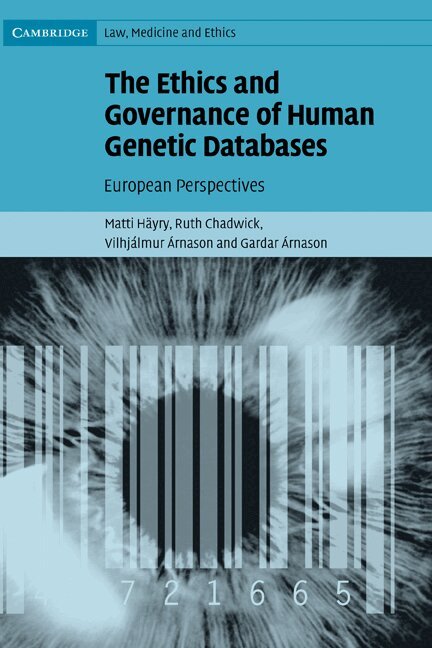
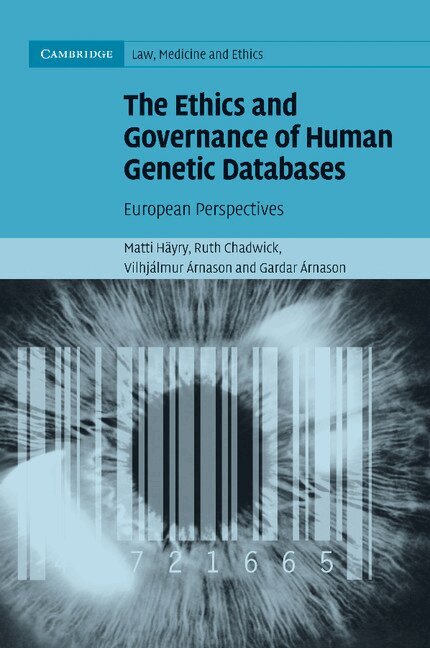
The Ethics and Governance of Human Genetic Databases
European Perspectives
Av Matti Häyry, Ruth Chadwick m. fl.
Inbunden, 2007
1588 kr
Lägg i varukorg
The Medical Biobank of Umeå in Sweden, deCODE's Health Sector Database in Iceland, the Estonian Genome Project and the UK Biobank contain health data and genetic data from large populations. Some include genealogical or lifestyle information. They are resources for research in human genetics and …
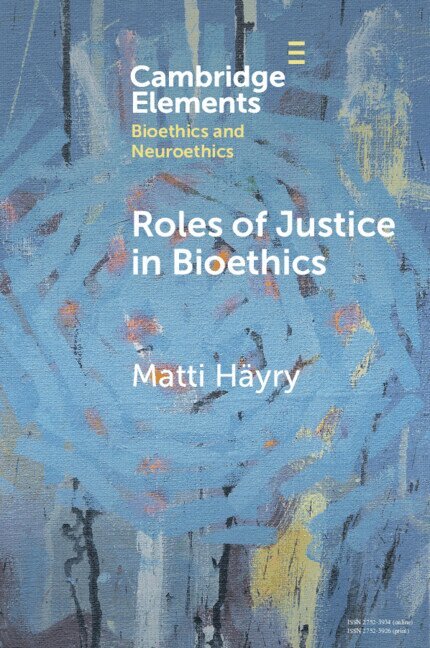
Roles of Justice in Bioethics
Häftad, 2022
308 kr
Lägg i varukorg
This Element traces the origins and development of bioethics, the principles and values involved in the discipline, and the roles of justice among these principles and values. The main tasks given to the concept of justice have since the late 1970s been nondiscrimination in research, prioritization …
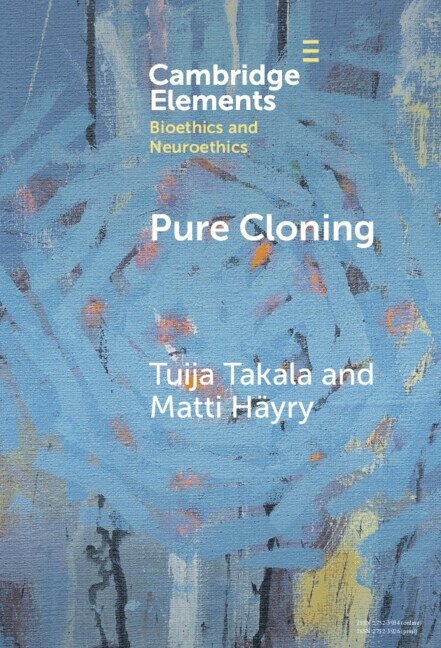
Pure Cloning
Av Tuija Takala, Matti Häyry
Häftad, 2025
317 kr
Lägg i varukorg
This Element explores the rationality and morality of the kind of human reproductive cloning that does not involve genetic enhancements or other biological alterations in the individuals produced. The analysis is needed because, sooner or later, the technique will be safe enough to be tested; yet …
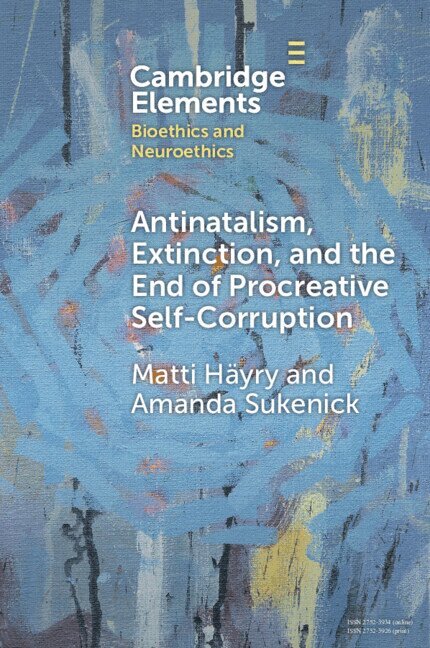
Antinatalism, Extinction, and the End of Procreative Self-Corruption
Av Matti Häyry, Amanda Sukenick
Häftad, 2024
302 kr
Lägg i varukorg
This Element provides an exploration of antinatalism, the view that assigns a negative value to reproduction. First, the history of Western philosophy as a two-and-a-half millennia reaction to antinatalist sentiments. Human life has no obvious meaning and philosophers have been forced to build …
Pure Cloning
Av Tuija Takala, Matti Häyry
Inbunden, 2025
938 kr
Lägg i varukorg
This Element explores the rationality and morality of the kind of human reproductive cloning that does not involve genetic enhancements or other biological alterations in the individuals produced. The analysis is needed because, sooner or later, the technique will be safe enough to be tested; yet …
The Ethics and Governance of Human Genetic Databases
European Perspectives
Av Matti Häyry, Ruth Chadwick m. fl.
Häftad, 2013
527 kr
Lägg i varukorg
The Medical Biobank of Umeå in Sweden, deCODE's Health Sector Database in Iceland, the Estonian Genome Project and the UK Biobank contain health data and genetic data from large populations. Some include genealogical or lifestyle information. They are resources for research in human genetics and …