Maureen L. Condic – författare
Visar alla böcker från författaren Maureen L. Condic. Handla med fri frakt och snabb leverans.
4 produkter
4 produkter
Inbunden, Engelska, 2020
451 kr
Skickas inom 3-6 vardagar
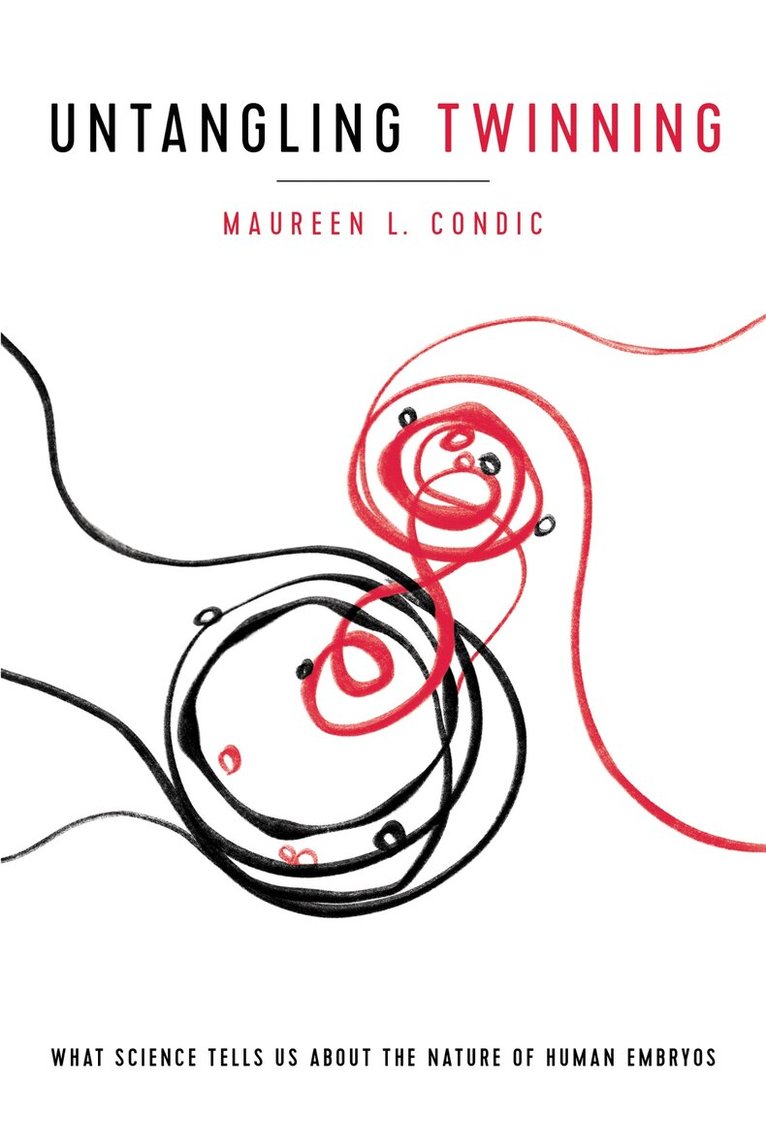
Scientists and philosophers have long struggled to answer the questions of when human life begins and when human life has inherent value. The phenomenon of identical (monozygotic) twinning presents a significant challenge to the view that human life and human personhood begin at conception. The fact that a single embryo can split to generate two (or more) genetically identical embryos seems to defy the notion that prior to splitting an embryo can be a single human individual. In Untangling Twinning, Maureen Condic looks at the questions raised by human twinning based on a unique synthesis of molecular developmental biology and Aristotelian philosophy. She begins with a brief historical analysis of the current scientific perspective on the embryo and proceeds to address the major philosophic and scientific concerns regarding human twinning and embryo fusion: Is the embryo one human or two (or even more)? Does the original embryo die, and if not, which of the twins is the original? Who are the parents of the twins? What do twins, chimeras, cloning, and asexual reproduction in humans mean? And what does the science of human embryology say about human ensoulment, human individuality, and human value? Condic's original approach makes a unique contribution to the discussion of human value and human individuality, and offers a clear, evidence-based resolution to questions raised by human twinning. The book is written for students and scholars of bioethics, scientists, theologians, and attorneys who are involved in questions surrounding the human embryo.
Häftad, Engelska, 2018
324 kr
Skickas inom 10-15 vardagar
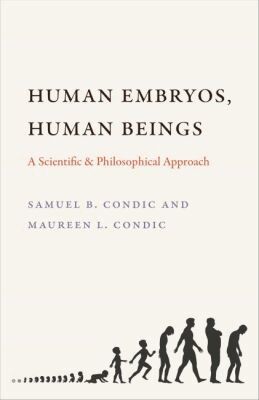
The overall purpose of Human Embryos, Human Beings is to establish the ontological status of the human embryo, in light of the most recent biological evidence. The thesis of the book is that sound philosophical reasoning and the available scientific evidence support the claim that a human being is present from the moment of fertilization onward (the “immediate hominization” view) and does not support the contrary claim that a human being appears only after a time following fertilization (the “delayed hominization” view).Included in the scope of this argument is an examination of several long-standing philosophical arguments claiming that immediate hominization is false; a detailed examination of several arguments claiming that though immediate hominization is possible, both evidence and argument best support the delayed hominization view or some alternate view; and an examination of several cases where natural defect or scientific manipulation make determining the ontological status of the embryo more difficult. The book also includes a presentation of hylomorphism, as this is the philosophical viewpoint employed by the authors to analyze the question.Human Embryos, Human Beings is based on the premise that philosophical and scientific approaches are not in conflict, with the most comprehensive understanding of human embryos being achieved by application of a rigorous hylomorphic philosophy to the best available scientific data. Often, one finds either a thorough and well-reasoned philosophical account or a detailed scientific account. This book makes a welcome addition to the field by integrating both of these needed elements into a single text.
E-bok
PDF, Spanska, 202272 kr
Läs direkt efter köp
¿Qué es exactamente el embrión humano? A primera vista, parece extraño que esta pregunta no sea más que un asunto aislado para los especialistas en biología o filosofía. Puede que se trate de una duda razonable y, además, interesante, pero tal vez solo debería preocupar a quienes trabajan reflexionando sobre estas cuestiones. Sin embargo, el embrión se encuentra en el centro mismo de los consejos presidenciales, las campañas políticas y las guerras culturales; es un hecho que buena parte del discurso público gira en torno a este diminuto eje y, por tanto, responder a la pregunta ¿qué es un embrión? tiene una importancia fundamental para todos nosotros y para nuestra cultura.¿Cómo ha llegado algo tan pequeño y en apariencia insignificante como un embrión (más pequeño que el punto al final de una frase, como se suele decir) a desempeñar un papel tan importante en la sociedad moderna?Esta investigación se une a la de sus predecesoras para dar luz a cuestiones tan importantes como las aquí planteadas.
E-bok
Spanska, 202272 kr
Läs direkt efter köp
¿Qué es exactamente el embrión humano? A primera vista, parece extraño que esta pregunta no sea más que un asunto aislado para los especialistas en biología o filosofía. Puede que se trate de una duda razonable y, además, interesante, pero tal vez solo debería preocupar a quienes trabajan reflexionando sobre estas cuestiones. Sin embargo, el embrión se encuentra en el centro mismo de los consejos presidenciales, las campañas políticas y las guerras culturales; es un hecho que buena parte del discurso público gira en torno a este diminuto eje y, por tanto, responder a la pregunta ¿qué es un embrión? tiene una importancia fundamental para todos nosotros y para nuestra cultura.¿Cómo ha llegado algo tan pequeño y en apariencia insignificante como un embrión (más pequeño que el punto al final de una frase, como se suele decir) a desempeñar un papel tan importante en la sociedad moderna?Esta investigación se une a la de sus predecesoras para dar luz a cuestiones tan importantes como las aquí planteadas.