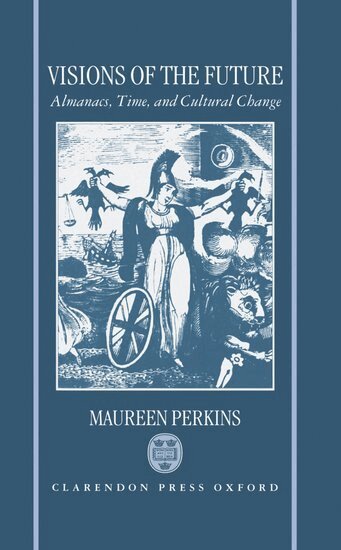
Historians have long puzzled over the `death' of astrology at the end of the seventeenth century. Visions of the Future demonstrates that astrology was alive and well for much of the nineteenth century, finding expression in one of the best-selling items of popular literature, the almanac. It examines the contents of the most notorious almanacs, such as Moore's and Poor Robin, publications which provide a colourful entry into popular culture and which suggest that a belief in the possibility of seeing the future was widespread. The book goes on to discuss why all claims to predict the future, including those of astrology, became categorized as `superstition'. It argues that this development was linked to two major cultural changes: the rise of statistical discourse and the dominance of Newtonian time. Statistical forecasting achieved the status of a `science' at the same time as `visions' of the future were being marginalized. Examining the historical context of the substitution of one type of knowledge for another makes an important contribution to current discussion about interaction between the different levels of culture.
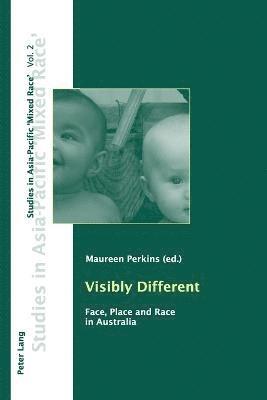
What does an Australian look like? Many Australians assume that there is such a thing as an ‘ethnic’ face, and that it indicates recent arrival or refugee status. This volume contains nine life narratives by Australians who reflect on the experience of being categorised on the basis of their facial appearance.The problem of who is ‘us’ and who is ‘them’ is at the heart of some of the most important challenges facing the contemporary world. Assuming that facial appearance and identity are inextricably linked makes this challenge even harder.The introduction by the editor provides the theoretical framework to these narratives. It discusses the relevance to notions of belonging and identity of the term ‘mixed race’, and concludes that we are all mixed race, whether we look white, black or ‘ethnic’.
Historians have long puzzled over the `death' of astrology at the end of the seventeenth century. Visions of the Future demonstrates that astrology was alive and well for much of the nineteenth century, finding expression in one of the best-selling items of popular literature, the almanac. It examines the contents of the most notorious almanacs, such as Moore's and Poor Robin, publications which provide a colourful entry into popular culture and which suggest that a belief in the possibility of seeing the future was widespread. The book goes on to discuss why all claims to predict the future, including those of astrology, became categorized as `superstition'. It argues that this development was linked to two major cultural changes: the rise of statistical discourse and the dominance of Newtonian time. Statistical forecasting achieved the status of a `science' at the same time as `visions' of the future were being marginalized. Examining the historical context of the substitution of one type of knowledge for another makes an important contribution to current discussion about interaction between the different levels of culture.
What does an Australian look like? Many Australians assume that there is such a thing as an ‘ethnic’ face, and that it indicates recent arrival or refugee status. This volume contains nine life narratives by Australians who reflect on the experience of being categorised on the basis of their facial appearance.The problem of who is ‘us’ and who is ‘them’ is at the heart of some of the most important challenges facing the contemporary world. Assuming that facial appearance and identity are inextricably linked makes this challenge even harder.The introduction by the editor provides the theoretical framework to these narratives. It discusses the relevance to notions of belonging and identity of the term ‘mixed race’, and concludes that we are all mixed race, whether we look white, black or ‘ethnic’.