Maureen Trudelle Schwarz - Böcker
Visar alla böcker från författaren Maureen Trudelle Schwarz. Handla med fri frakt och snabb leverans.
5 produkter
5 produkter
280 kr
Skickas inom 10-15 vardagar
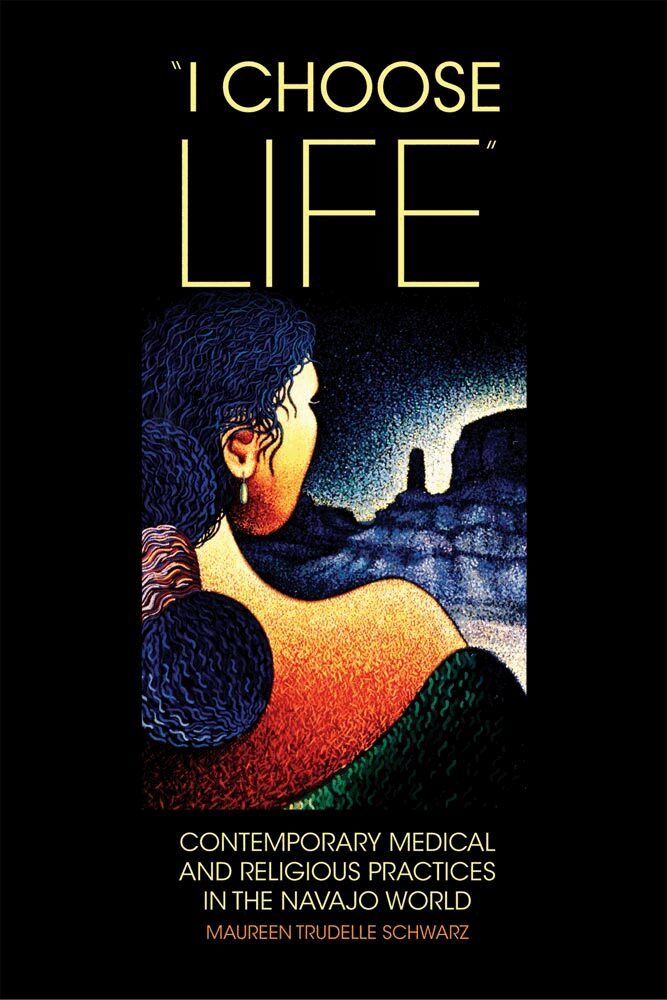
How Navajos navigate the complex world of medicineSurgery, blood transfusions, CPR, and organ transplantation are common biomedical procedures for treating trauma and disease. But for Navajo Indians, these treatments can conflict with their traditional understanding of health and well-being. This book investigates how Navajos navigate their medically and religiously pluralistic world while coping with illness. Focusing on Navajo attitudes toward invasive procedures, Maureen Trudelle Schwarz reveals the ideological conflicts experienced by Navajo patients and the reasons behind the choices they make to promote their own health and healing.Schwarz has conducted extensive interviews with patients, traditional herbalists and ceremonial practitioners, and members of Native American Church and Christian denominations to reveal the variety of perspectives toward biomedicine that prevail on the reservation and to show how each group within the tribe copes with health-related issues. She describes how Navajos interpret numerous health issues in terms of local understanding, drawing on both their own and biomedical or Christian traditions. She also provides insight into how Navajos use ceremonial practice and prayer to deal with the consequences of amputation or transplantation.
232 kr
Skickas inom 10-15 vardagar
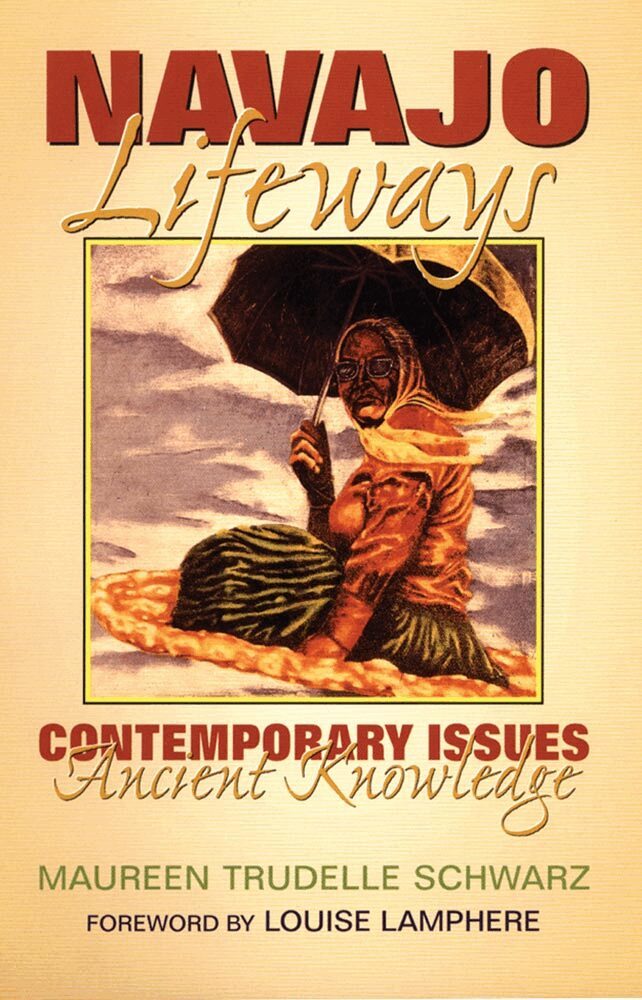
During the final decade of the twentieth century, Navajo people had to confront a number of challenges, from unexplained illness, the effects of uranium mining, and problem drinking to threats to their land rights and spirituality. Yet no matter how alarming these issues, Navajo people made sense of them by drawing guidance from what they regarded as their charter for life, their origin stories.Through extensive interviews, Maureen Trudelle Schwarz allows Navajo to speak for themselves on the ways they find to respond to crises and chronic issues. In capturing what Navajo say and think about themselves, Schwarz presents this southwestern people's perceptions, values, and sense of place in the world.
535 kr
Skickas inom 3-6 vardagar
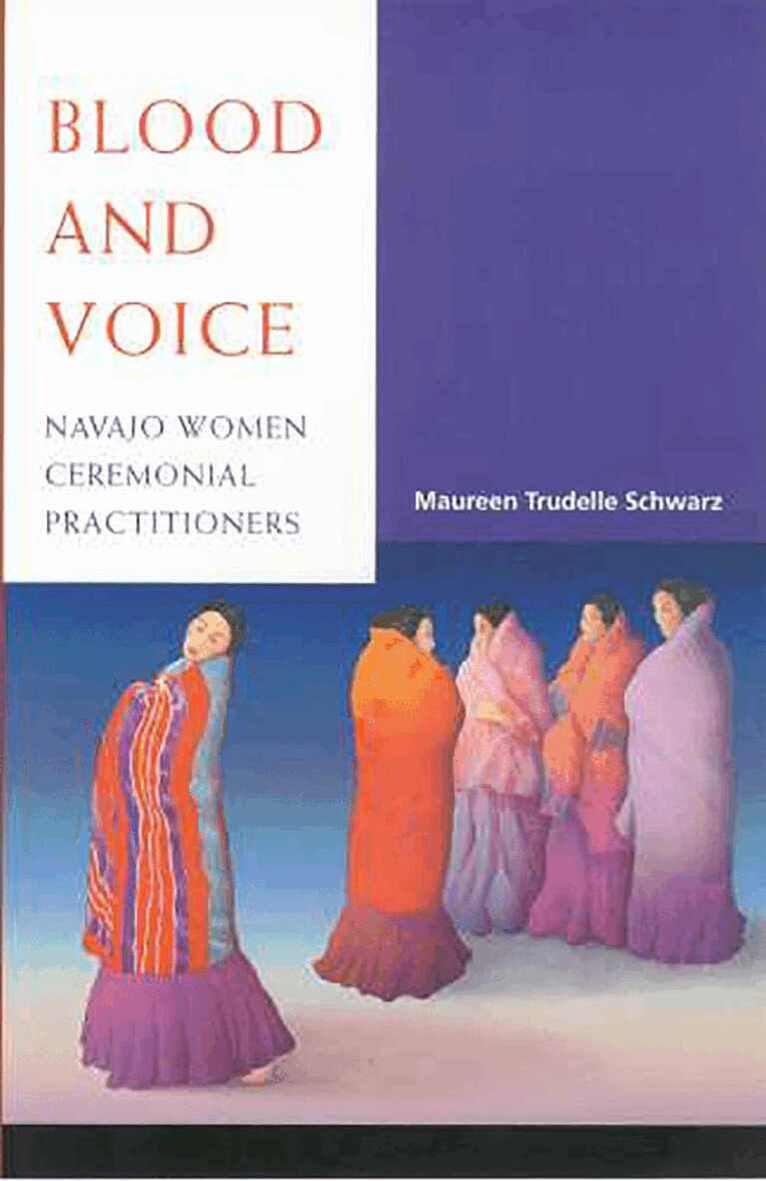
Adulthood in the Navajo world is marked by the onset of menstruation in females and by the deepening of the voice in males. Accordingly, young adults must accept responsibility over the powers manifest in blood and voice: for women, the forces that control reproduction and growth; for men, the powers of protection and restoration of order that come through maintaining Navajo oral tradition. The maintenance of the latter tradition has long been held to be the function of the Navajo singer, a role usually viewed as male. But despite this longstanding assumption, women can and do fill this role. Drawing on interviews with seventeen Navajo women practitioners and five apprentices, Maureen Trudelle Schwarz explicates women's role as ceremonial practitioners and shows that it is more complex than has previously been thought. She examines gender differences dictated by the Navajo origin story, details how women came to be practitioners, and reveals their experiences and the strategies they use to negotiate being both woman and singer. Women who choose careers as singers face complex challenges, since some rules prohibit menstruating women from conducting ceremonies and others regarding sexual continence can strain marital relationships. Additionally, oral history places men in charge of all ceremonial matters. Schwarz focuses on how the reproductive life courses of Navajo women influence their apprenticeships and practices to demonstrate how they navigate these issues to preserve time-honored traditions. Through the words of actual practitioners, she shows how each woman brings her own unique life experience to the role. While differing among individuals, these experiences represent a commitment to shared cultural symbols and result in a consensus that sustains social cohesion. By showing the differences and similarities between the apprenticeship, initiation, and practice of men and women singers, Blood and Voice offers a better understanding of the role of Navajo women in a profession usually viewed as a male activity and of the symbolic construction of the self in Navajo culture. It also addresses classic questions concerning the sexual division of labor, menstrual taboos, gender stereotypes, and the tension between tradition and change that will enlighten students of other cultures.
Fighting Colonialism with Hegemonic Culture
Native American Appropriation of Indian Stereotypes
Häftad, Engelska, 2014
564 kr
Skickas inom 5-8 vardagar
Explores how American Indian businesses and organizations are taking on images that were designed to oppress them.How and why do American Indians appropriate images of Indianness for their own purposes? How do these representatives promote and sometimes challenge sovereignty for indigenous people locally and nationally? American Indians have recently taken on a new relationship with the hegemonic culture designed to oppress them. Rather than protesting it, they are currently earmarking images from it and using them for their own ends. This provocative book adds and interesting twist and nuance to our understanding of the five-hundred year interchange between American Indians and others. A host of examples of how American Indians use the so-called "White Man's Indian" reveal the key images and issues selected most frequently by the representatives of Native organizations or Native-owned businesses in the late twentieth century and the opening years of the twenty-first century to appropriate Indianness.
Fighting Colonialism with Hegemonic Culture
Native American Appropriation of Indian Stereotypes
Inbunden, Engelska, 2013
1 383 kr
Skickas inom 3-6 vardagar
Explores how American Indian businesses and organizations are taking on images that were designed to oppress them.How and why do American Indians appropriate images of Indianness for their own purposes? How do these representatives promote and sometimes challenge sovereignty for indigenous people locally and nationally? American Indians have recently taken on a new relationship with the hegemonic culture designed to oppress them. Rather than protesting it, they are currently earmarking images from it and using them for their own ends. This provocative book adds and interesting twist and nuance to our understanding of the five-hundred year interchange between American Indians and others. A host of examples of how American Indians use the so-called "White Man's Indian" reveal the key images and issues selected most frequently by the representatives of Native organizations or Native-owned businesses in the late twentieth century and the opening years of the twenty-first century to appropriate Indianness.