Mauricio Espinoza – författare
Visar alla böcker från författaren Mauricio Espinoza. Handla med fri frakt och snabb leverans.
3 produkter
3 produkter
363 kr
Skickas inom 7-10 vardagar
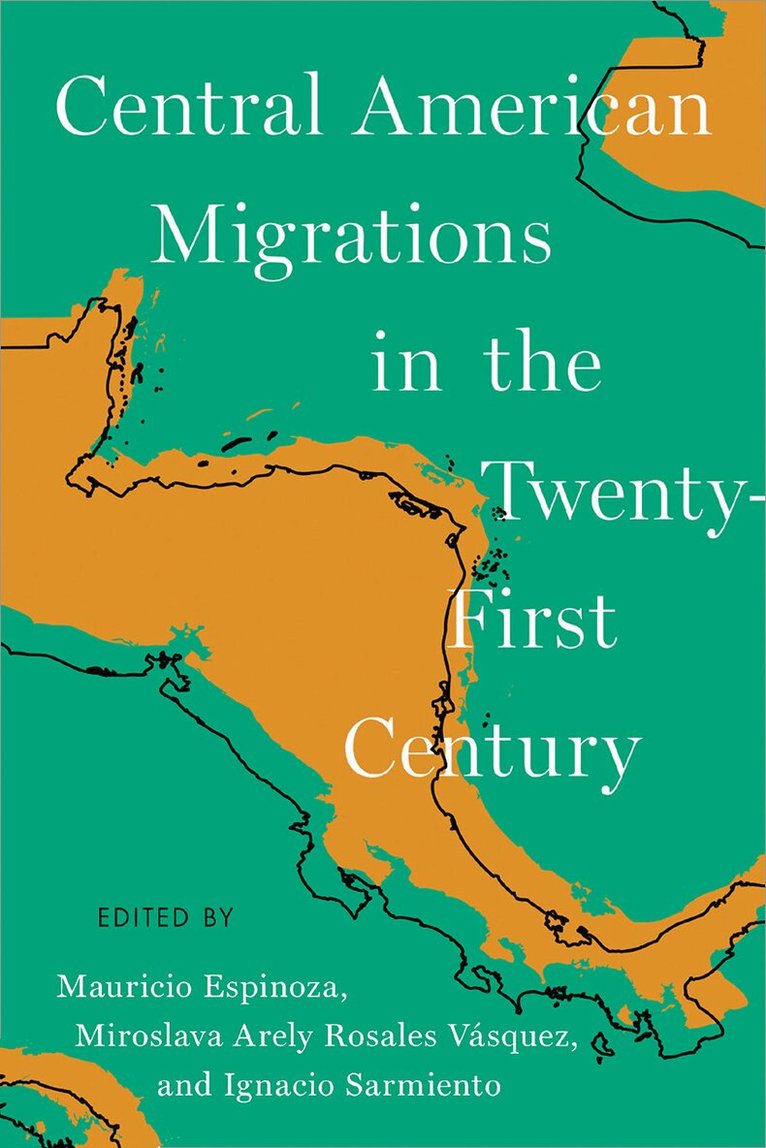
The reality of Central American migrations is broad, diverse, multidirectional, and uncertain. It also offers hope, resistance, affection, solidarity, and a sense of community for a region that has one of the highest rates of human displacement in the world.Central American Migrations in the Twenty-First Century tackles head-on the way Central America has been portrayed as a region profoundly marked by the migration of its people. Through an intersectional approach, this volume demonstrates how the migration experience is complex and affected by gender, age, language, ethnicity, social class, migratory status, and other variables. Contributors carefully examine a broad range of topics, including forced migration, deportation and outsourcing, intraregional displacements, the role of social media, and the representations of human mobility in performance, film, and literature. The volume establishes a productive dialogue between humanities and social sciences scholars, and it paves the way for fruitful future discussions on the region’s complex migratory processes.ContributorsGuillermo Acuña Andrew BentleyFiore Bran-AragónTiffanie ClarkMauricio EspinozaHilary Catherine GoodfriendLeda Carolina LozierJudith MartínezAlicia V. NuñezMiroslava Arely Rosales VásquezManuel Sánchez CabreraIgnacio SarmientoGracia SilvaCarolina Simbaña GonzálezMaría Victoria Véliz
999 kr
Skickas inom 10-15 vardagar
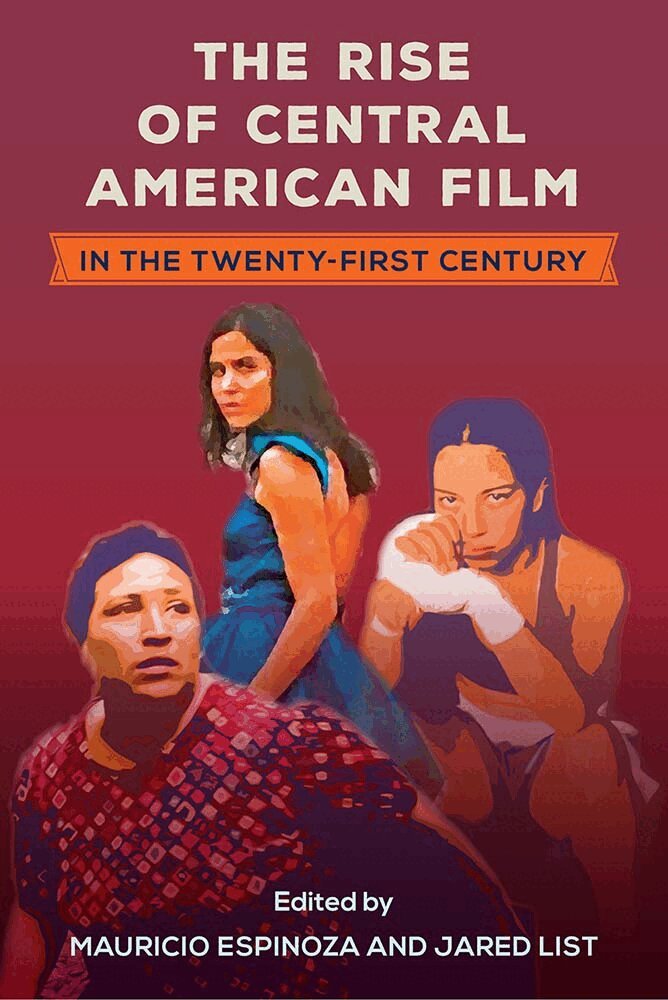
How an overlooked film industry became a cinematic forceThe first book in English dedicated to the study of Central American film, this volume explores the main trends, genres, and themes that define this emerging industry. The seven nations of the region have seen an unprecedented growth in film production during the twenty-first century with the creation of over 200 feature-length films compared with just one in the 1990s. This volume provides a needed overview of one of the least explored cinemas in the world. In these essays, various scholars of film and cultural studies from around the world provide insights into the continuities and discontinuities between twentieth- and twenty-first-century cinematic production on the isthmus. They discuss how political, social, and environmental factors, along with new production modes and aesthetics, have led to a corpus of films that delve into issues of the past and present such as postwar memory, failed revolutions, trauma, migration, popular culture, minority populations, and gender disparities. From Salvadoran documentaries to Costa Rican comedies and Panamanian sports films, the movies analyzed here demonstrate the region’s flourishing film industry and the diversity of approaches found within it. The Rise of Central American Film in the Twenty-First Centurypays homage to an overlooked cultural phenomenon and shows the importance of regional cinema studies. A volume in the series Reframing Media, Technology, and Culture in Latin/o America, edited by Héctor Fernández L’Hoeste and Juan Carlos Rodríguez. Publication of this work made possible by a Sustaining the Humanities through the American Rescue Plan grant from the National Endowment for the Humanities.
379 kr
Skickas inom 10-15 vardagar
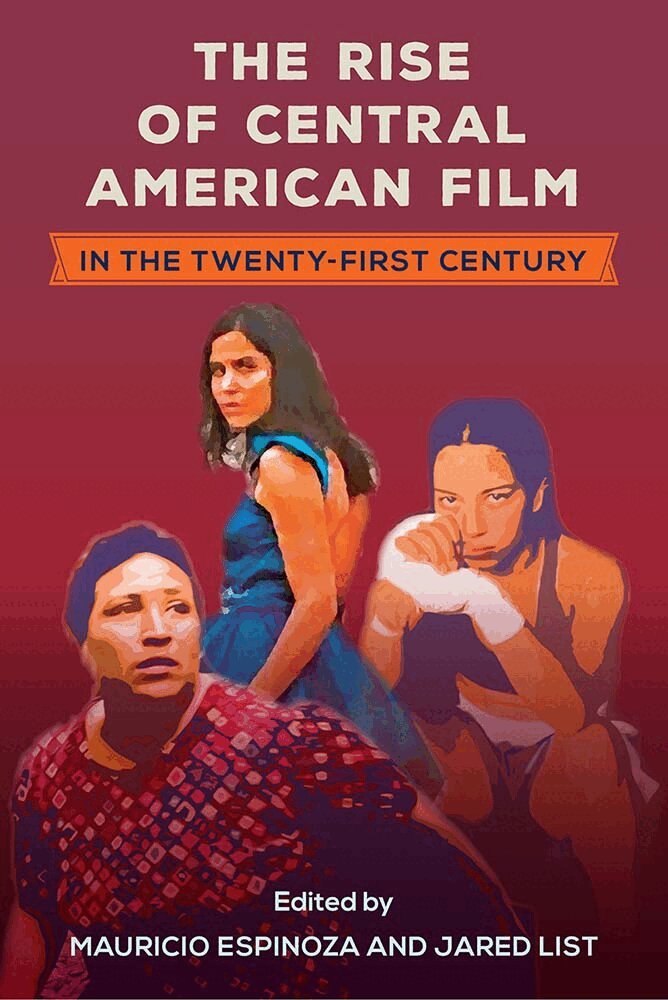
How an overlooked film industry became a cinematic forceThe first book in English dedicated to the study of Central American film, this volume explores the main trends, genres, and themes that define this emerging industry. The seven nations of the region have seen an unprecedented growth in film production during the twenty-first century with the creation of over 200 feature-length films compared with just one in the 1990s. This volume provides a needed overview of one of the least explored cinemas in the world. In these essays, various scholars of film and cultural studies from around the world provide insights into the continuities and discontinuities between twentieth- and twenty-first-century cinematic production on the isthmus. They discuss how political, social, and environmental factors, along with new production modes and aesthetics, have led to a corpus of films that delve into issues of the past and present such as postwar memory, failed revolutions, trauma, migration, popular culture, minority populations, and gender disparities. From Salvadoran documentaries to Costa Rican comedies and Panamanian sports films, the movies analyzed here demonstrate the region’s flourishing film industry and the diversity of approaches found within it. The Rise of Central American Film in the Twenty-First Centurypays homage to an overlooked cultural phenomenon and shows the importance of regional cinema studies. A volume in the series Reframing Media, Technology, and Culture in Latin/o America, edited by Héctor Fernández L’Hoeste and Juan Carlos Rodríguez. Publication of this work made possible by a Sustaining the Humanities through the American Rescue Plan grant from the National Endowment for the Humanities.