Mauro L. Baranzini – författare
Visar alla böcker från författaren Mauro L. Baranzini. Handla med fri frakt och snabb leverans.
5 produkter
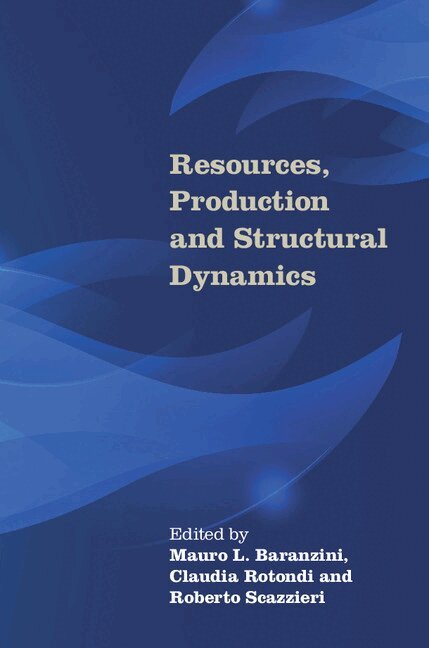
Resources, Production and Structural Dynamics
Av Mauro L. Baranzini, Claudia Rotondi m. fl.
Inbunden, 2015
1263 kr
Lägg i varukorg
Economists since the First Industrial Revolution have been interested in the links between economic growth and resources, often pointing to resource scarcities as a hindrance to growth. Offering a counter perspective, this volume highlights the positive role that scarcities can play in inducing …
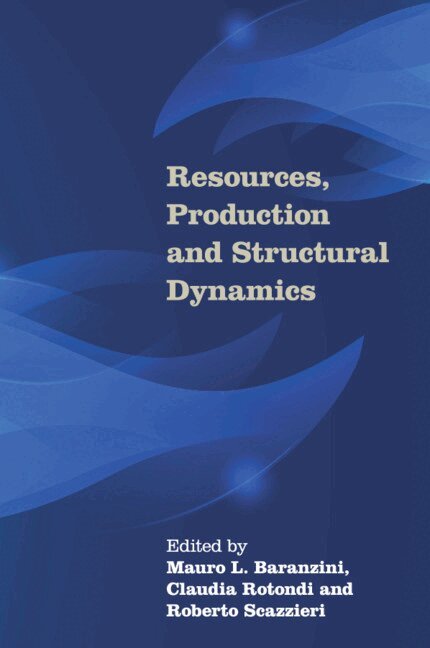
Resources, Production and Structural Dynamics
Av Mauro L. Baranzini, Claudia Rotondi m. fl.
Häftad, 2020
787 kr
Lägg i varukorg
Economists since the First Industrial Revolution have been interested in the links between economic growth and resources, often pointing to resource scarcities as a hindrance to growth. Offering a counter perspective, this volume highlights the positive role that scarcities can play in inducing …
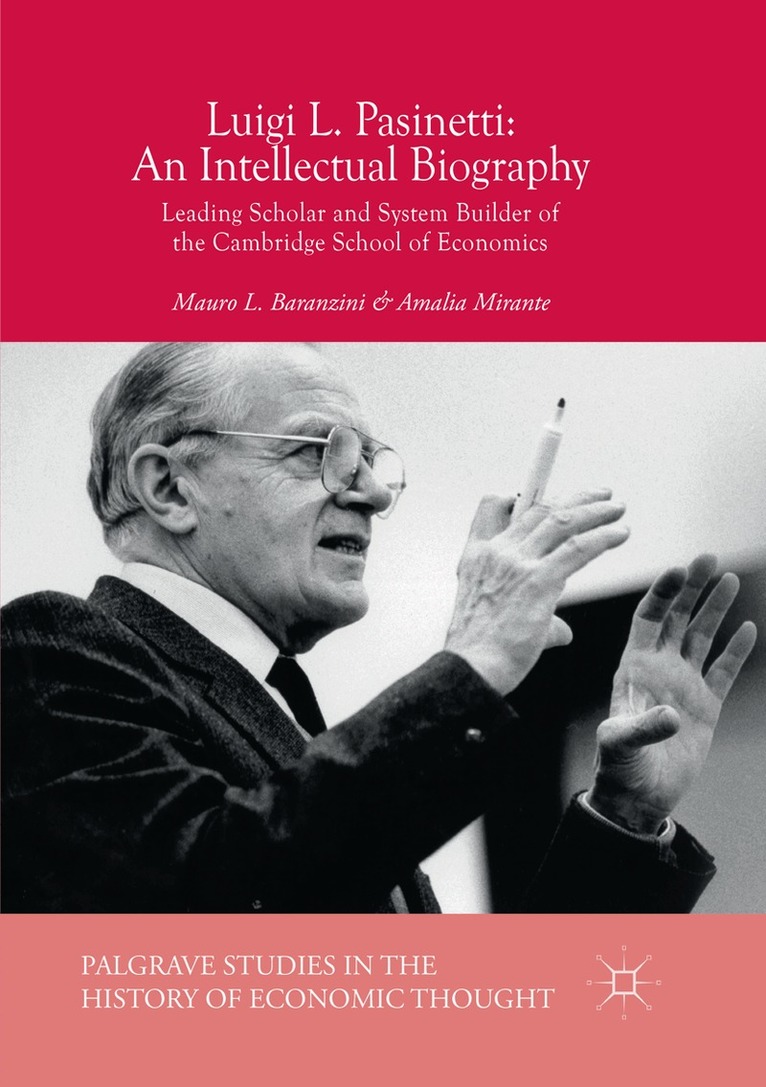
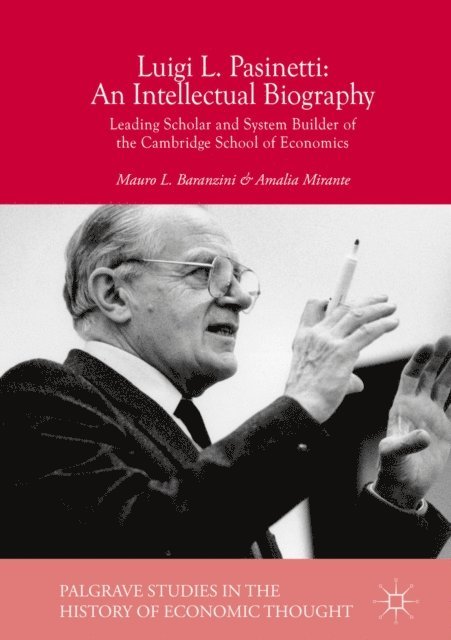
Luigi L. Pasinetti: An Intellectual Biography
Leading Scholar and System Builder of the Cambridge School of Economics
Av Mauro L. Baranzini, Amalia Mirante
Häftad, 2018
1343 kr
Lägg i varukorg
Luigi L. Pasinetti (born 1930) is arguably the most influential of the second generation of the Cambridge Keynesian School of Economics, both because of his achievements and his early involvement with the direct pupils of John Maynard Keynes. This comprehensive intellectual biography traces his …
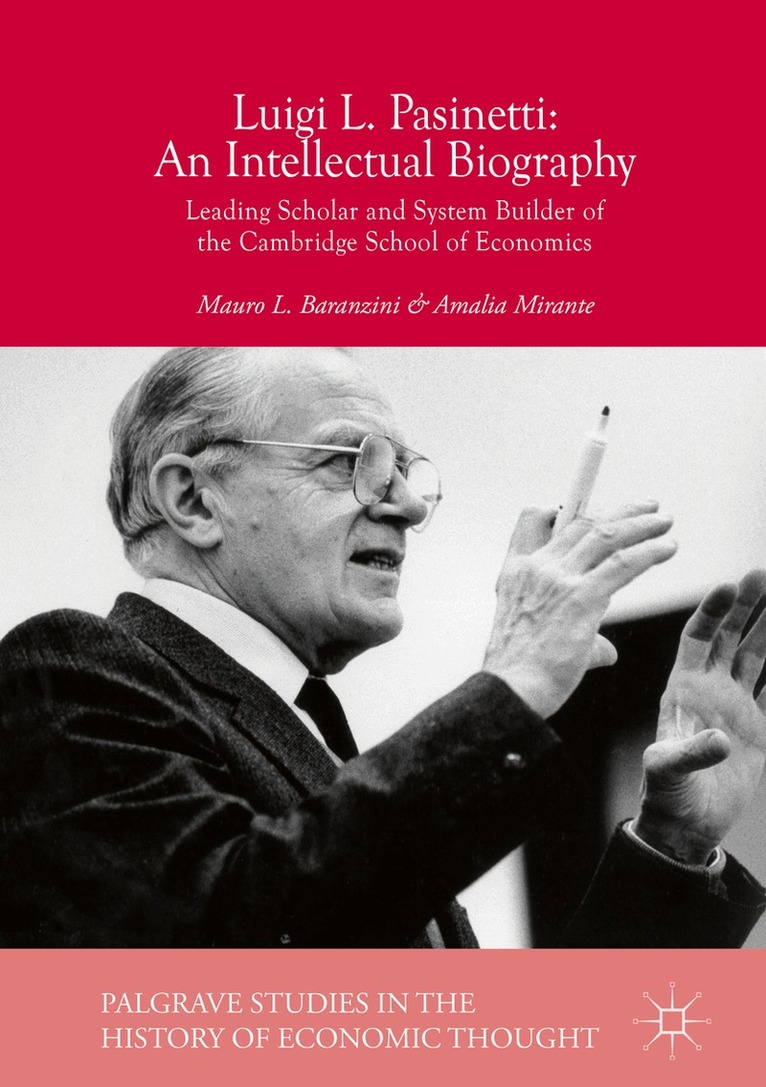
Luigi L. Pasinetti: An Intellectual Biography
Leading Scholar and System Builder of the Cambridge School of Economics
Av Mauro L. Baranzini, Amalia Mirante
Inbunden, 2018
2125 kr
Lägg i varukorg
Luigi L. Pasinetti (born 1930) is arguably the most influential of the second generation of the Cambridge Keynesian School of Economics, both because of his achievements and his early involvement with the direct pupils of John Maynard Keynes. This comprehensive intellectual biography traces his …
Luigi L. Pasinetti: An Intellectual Biography
Leading Scholar and System Builder of the Cambridge School of Economics
Av Amalia Mirante, Mauro L. Baranzini
E-bok, 2018
1838 kr
Lägg i varukorg
Luigi L. Pasinetti (born 1930) is arguably the most influential of the second generation of the Cambridge Keynesian School of Economics, both because of his achievements and his early involvement with the direct pupils of John Maynard Keynes. This comprehensive intellectual biography traces his …