Mayke de Jong – författare
Visar alla böcker från författaren Mayke de Jong. Handla med fri frakt och snabb leverans.
6 produkter
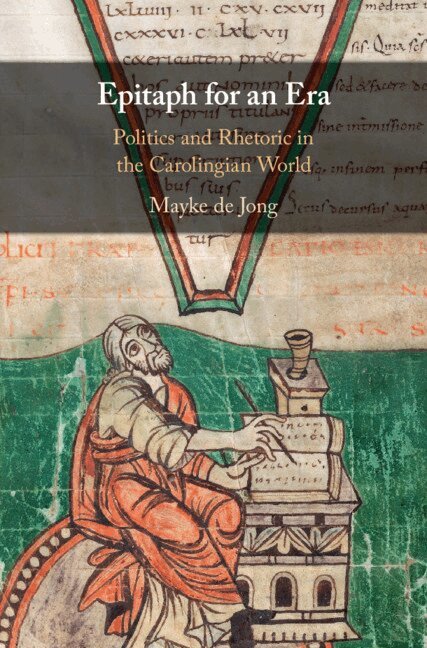
Epitaph for an Era
Politics and Rhetoric in the Carolingian World
Inbunden, 2019
1641 kr
Lägg i varukorg
Wala, abbot of Corbie, played a major role in the rebellions against Emperor Louis the Pious, especially in 830, for which he was exiled. Radbert defended his beloved abbot, known to his monks as Arsenius, against accusations of infidelity in an 'epitaph' (funeral oration), composed as a two-book …
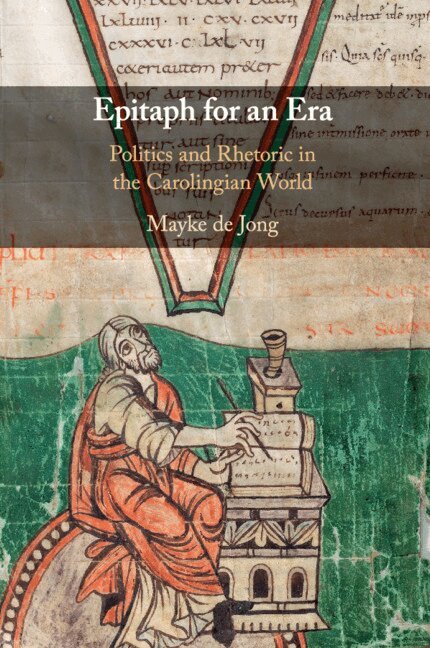
Epitaph for an Era
Politics and Rhetoric in the Carolingian World
Häftad, 2020
574 kr
Lägg i varukorg
Wala, abbot of Corbie, played a major role in the rebellions against Emperor Louis the Pious, especially in 830, for which he was exiled. Radbert defended his beloved abbot, known to his monks as Arsenius, against accusations of infidelity in an 'epitaph' (funeral oration), composed as a two-book …
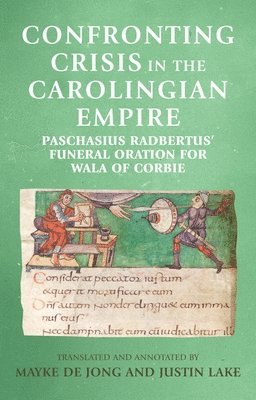
Confronting Crisis in the Carolingian Empire
Paschasius Radbertus' Funeral Oration for Wala of Corbie
Inbunden, 2020
1298 kr
Lägg i varukorg
This book presents a new and accessible translation of a well-known yet enigmatic text: the ‘Epitaph for Arsenius’ by the monk and scholar Paschasius Radbertus (Radbert) of Corbie. This monastic dialogue, with the author in the role of narrator, plunges the reader directly into the turmoil of …
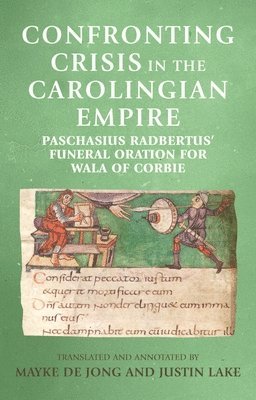
Confronting Crisis in the Carolingian Empire
Paschasius Radbertus' Funeral Oration for Wala of Corbie
Häftad, 2020
382 kr
Lägg i varukorg
This book presents a new and accessible translation of a well-known yet enigmatic text: the ‘Epitaph for Arsenius’ by the monk and scholar Paschasius Radbertus (Radbert) of Corbie. This monastic dialogue, with the author in the role of narrator, plunges the reader directly into the turmoil of …
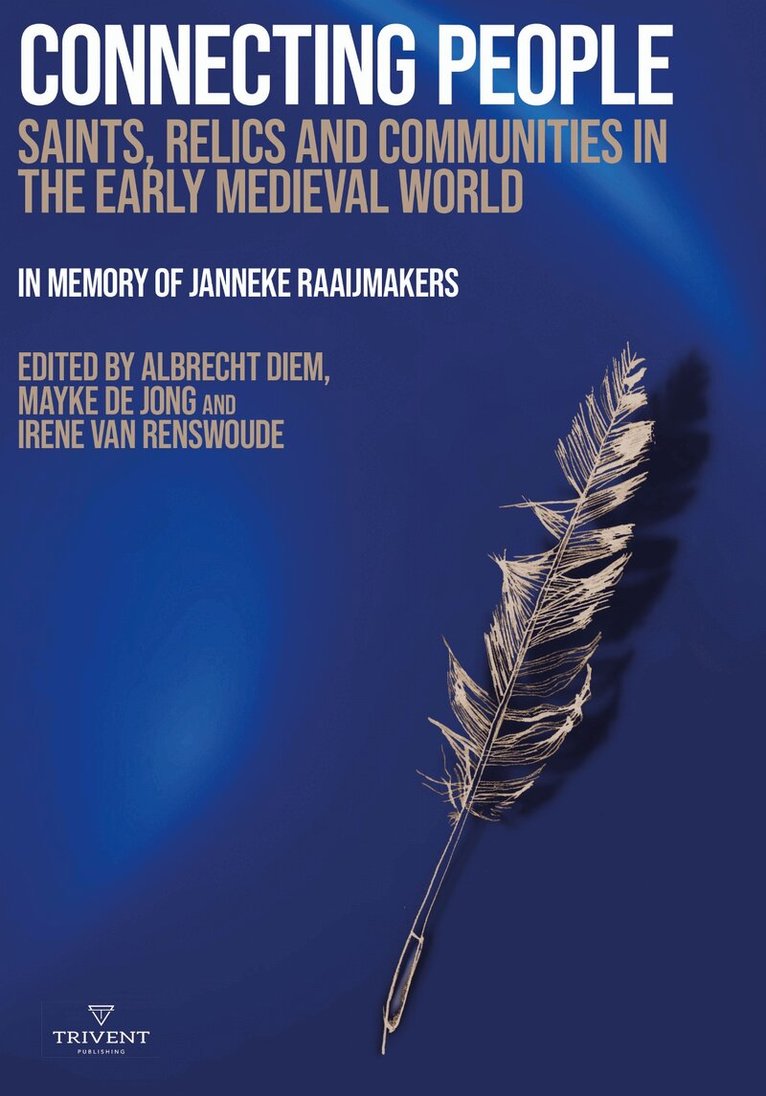
Connecting People
Saints, Relics and Communities in the Early Medieval World - in Memory of Janneke Raaijmakers
Av Albrecht Diem, Mayke de Jong m. fl.
Inbunden, 2024
1182 kr
Lägg i varukorg
This volume brings together contributions of teachers, peers, friends and students of Janneke Raaijmakers, who died in 2021 at age 48, to honour her life and academic accomplishments. Janneke Raaijmakers was an eminent early medieval scholar who studied the history of religious communities, the …
In Samuel’s Image
Child Oblation in the Early Medieval West
Inbunden, 1995
2234 kr
Lägg i varukorg
Early medieval religious communities were filled with monks and nuns who spent almost their entire lives within the monastic confines. Many had arrived in childhood, through an irrevocable act of parental sacrifice (oblatio). According to Benedict's Rule, parents were to donate their sons “to God …