2 464 kr
Skickas inom 10-15 vardagar
2 464 kr
Skickas inom 10-15 vardagar
678 kr
Skickas inom 10-15 vardagar
788 kr
Läs direkt efter köp
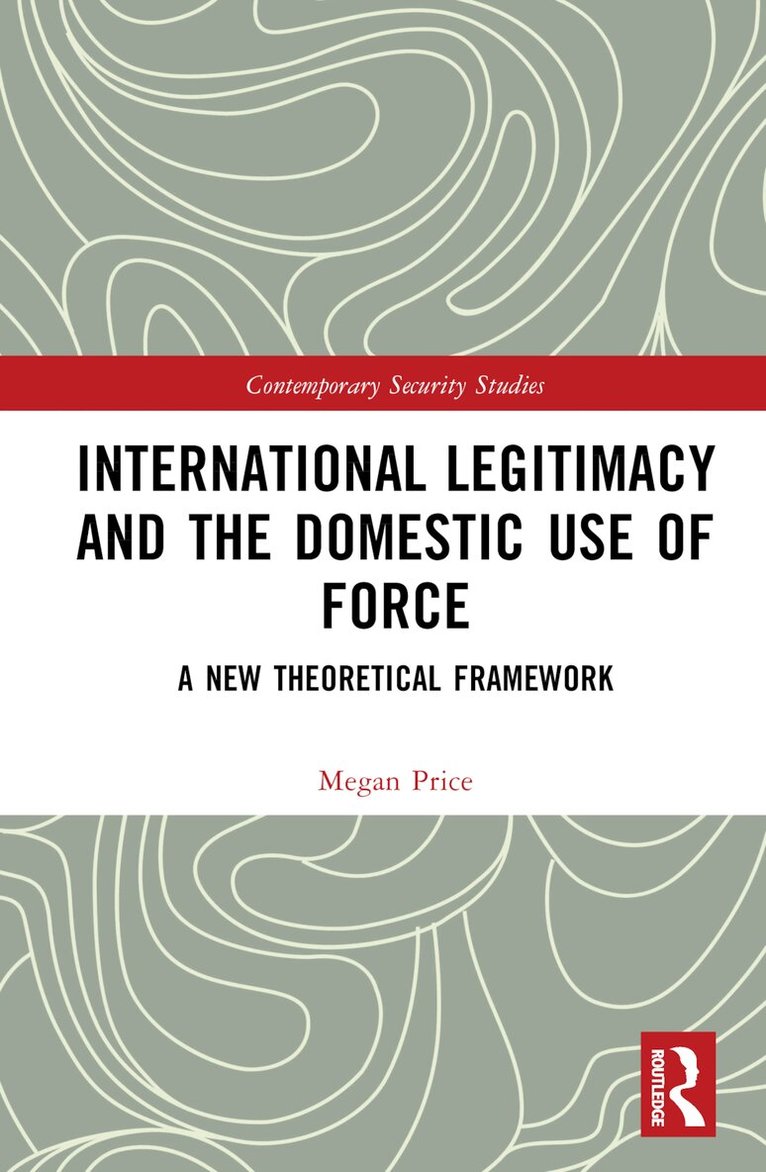
This book examines how states justify the domestic use of military force to foreign audiences.
By deploying a sociological approach to legitimacy and drawing on conceptual tools which deal directly with the dynamics of justification, it offers a novel framework for understanding the politics of international legitimacy and domestic armed action. The framework is grounded in detailed qualitative analyses of civil wars in Sri Lanka (2006–2009), and Aceh, Indonesia (2003–2005). The book shows that the meaning of legitimacy in a particular context does not flow directly from a menu of relevant rules, norms and ideas. Rather, legitimacy is always politically contested. When states justify fighting at home, the success of their claims is determined by their capacity to appeal to rules and norms but also to frame their action in ways that their audiences find compelling. Therefore, the framework offered in this book draws attention to the crucial but largely neglected role of audiences in the constitution of legitimacy.
This book will be of interest to students of security studies, law, human rights and international relations.
788 kr
Läs direkt efter köp
This book examines how states justify the domestic use of military force to foreign audiences.
By deploying a sociological approach to legitimacy and drawing on conceptual tools which deal directly with the dynamics of justification, it offers a novel framework for understanding the politics of international legitimacy and domestic armed action. The framework is grounded in detailed qualitative analyses of civil wars in Sri Lanka (2006–2009), and Aceh, Indonesia (2003–2005). The book shows that the meaning of legitimacy in a particular context does not flow directly from a menu of relevant rules, norms and ideas. Rather, legitimacy is always politically contested. When states justify fighting at home, the success of their claims is determined by their capacity to appeal to rules and norms but also to frame their action in ways that their audiences find compelling. Therefore, the framework offered in this book draws attention to the crucial but largely neglected role of audiences in the constitution of legitimacy.
This book will be of interest to students of security studies, law, human rights and international relations.
105 kr
Läs direkt efter köp
105 kr
Läs direkt efter köp
101 kr
Läs direkt efter köp
103 kr
Läs direkt efter köp
332 kr
Skickas inom 5-8 vardagar
33 kr
Läs direkt efter köp
1 023 kr
Tillfälligt slut
2 464 kr
Skickas inom 10-15 vardagar
678 kr
Skickas inom 10-15 vardagar
788 kr
Läs direkt efter köp
This book examines how states justify the domestic use of military force to foreign audiences.
By deploying a sociological approach to legitimacy and drawing on conceptual tools which deal directly with the dynamics of justification, it offers a novel framework for understanding the politics of international legitimacy and domestic armed action. The framework is grounded in detailed qualitative analyses of civil wars in Sri Lanka (2006–2009), and Aceh, Indonesia (2003–2005). The book shows that the meaning of legitimacy in a particular context does not flow directly from a menu of relevant rules, norms and ideas. Rather, legitimacy is always politically contested. When states justify fighting at home, the success of their claims is determined by their capacity to appeal to rules and norms but also to frame their action in ways that their audiences find compelling. Therefore, the framework offered in this book draws attention to the crucial but largely neglected role of audiences in the constitution of legitimacy.
This book will be of interest to students of security studies, law, human rights and international relations.
788 kr
Läs direkt efter köp
This book examines how states justify the domestic use of military force to foreign audiences.
By deploying a sociological approach to legitimacy and drawing on conceptual tools which deal directly with the dynamics of justification, it offers a novel framework for understanding the politics of international legitimacy and domestic armed action. The framework is grounded in detailed qualitative analyses of civil wars in Sri Lanka (2006–2009), and Aceh, Indonesia (2003–2005). The book shows that the meaning of legitimacy in a particular context does not flow directly from a menu of relevant rules, norms and ideas. Rather, legitimacy is always politically contested. When states justify fighting at home, the success of their claims is determined by their capacity to appeal to rules and norms but also to frame their action in ways that their audiences find compelling. Therefore, the framework offered in this book draws attention to the crucial but largely neglected role of audiences in the constitution of legitimacy.
This book will be of interest to students of security studies, law, human rights and international relations.
105 kr
Läs direkt efter köp
105 kr
Läs direkt efter köp
101 kr
Läs direkt efter köp
103 kr
Läs direkt efter köp
332 kr
Skickas inom 5-8 vardagar
33 kr
Läs direkt efter köp
1 023 kr
Tillfälligt slut