Meic Pearse - Böcker
Visar alla böcker från författaren Meic Pearse. Handla med fri frakt och snabb leverans.
3 produkter
3 produkter
309 kr
Skickas inom 3-6 vardagar
165 kr
Skickas inom 7-10 vardagar
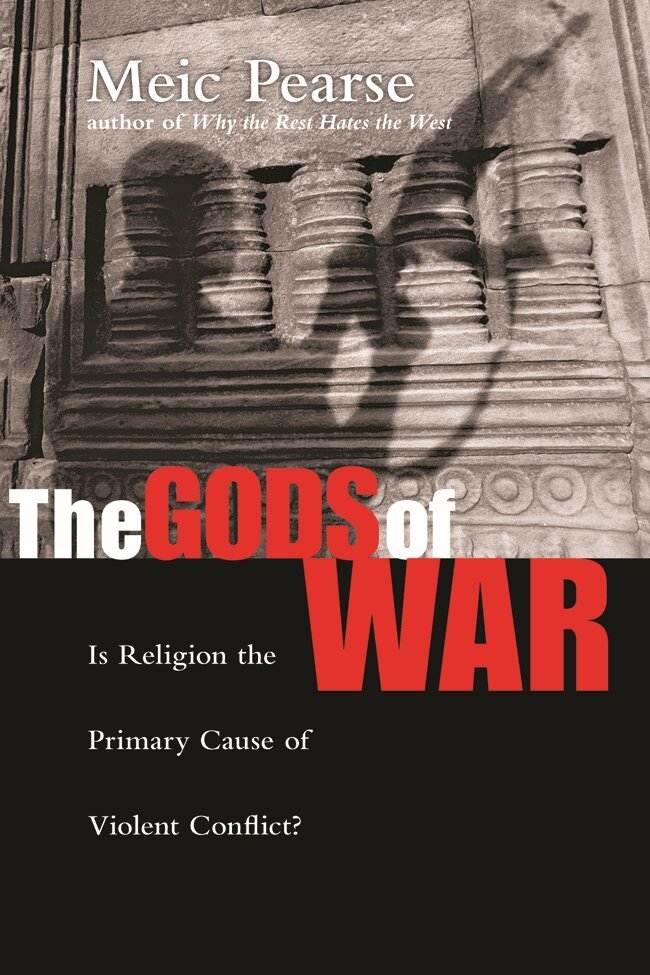
Does religion cause war? It is often claimed that religion is responsible for more wars, more global conflicts and more deaths than any other factor. After all, the world has seen its share of crusades, inquisitions and jihads. Enlightened, modern people assume that if we could only discard primitive religious belief, the world would be a better place. Alas, the picture is not quite so simple. "Indeed," writes Meic Pearse, "there is only one thing that bears a heavier responsibility than religion as a principal cause of war. And that is, of course, irreligion."In this provocative book, historian Meic Pearse debunks the common misconception that religion causes war. He argues that while religion is often a significant generator of armed conflict both in the past and in the present, the two principal causes of human warfare are in fact culture and greed for territory, resources or power. Since culture and greed often clothe themselves in religion, wars fought for culture often appear to be fought for religion. With keen analysis of global history and current events, Pearse shows how irreligion has produced far bloodier wars than religion, and how global secularism itself does violence to religion and traditional cultures. Ultimately, throughout history warfare has been waged over the shape of society itself. A crisis in meaning leads people to fight for what they fear may be lost. For a world weary of war, Pearse points beyond both cultural and secular metanarratives to an alternative hope.
Del 3 - Monarch History of the Church
Age of Reason
From the Wars of Religion to the French Revolution, 1570-1789
Häftad, Engelska, 2007
210 kr
Skickas inom 7-10 vardagar
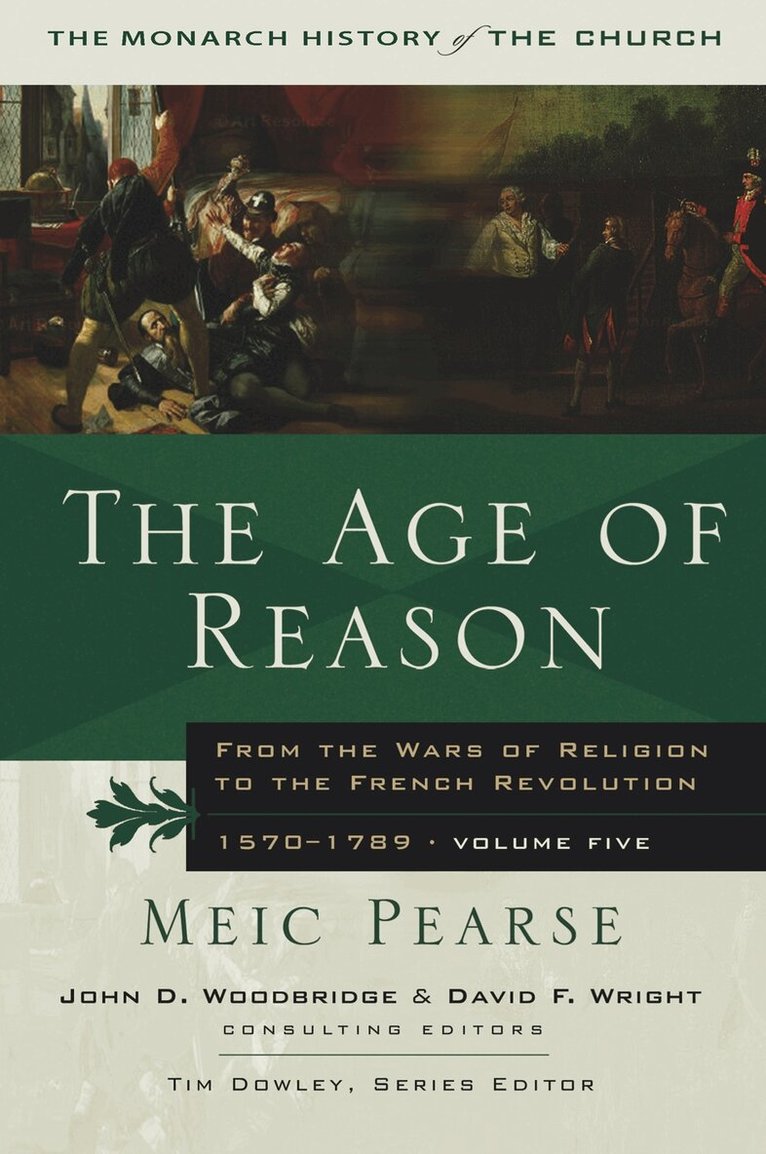
The Age of Reason covers 1570-1789, an era in which events such as the French Revolution and movements such as the Enlightenment spawned religious, cultural and political upheavals that have not ceased to reverberate.The text explores the conflicts between Catholic, Protestant, and Orthodox Christianity, as well as schisms within those groups.The rise of sectarianism and Pietism, the spread of the faith to various regions of the globe, and the impact of the Great Awakening all played a large role in shaping the context for today's global church and its quest for relevance in a rapidly changing world.