Melanie J. Zimmer-Gembeck – författare
Visar alla böcker från författaren Melanie J. Zimmer-Gembeck. Handla med fri frakt och snabb leverans.
7 produkter
7 produkter
Inbunden, Engelska, 2023
1 643 kr
Skickas inom 7-10 vardagar
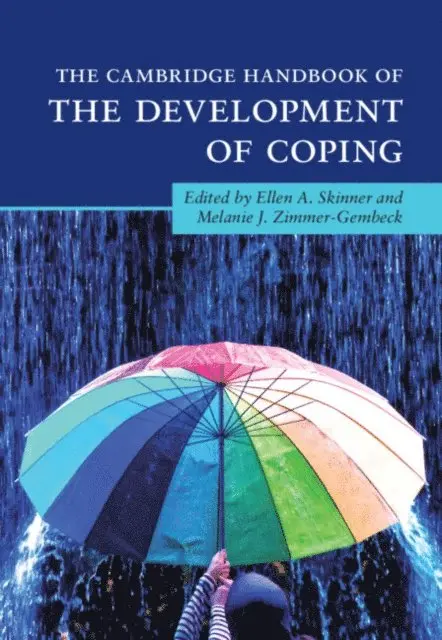
Despite broad interest in how children and youth cope with stress and how others can support their coping, this is the first Handbook to consolidate the many theories and large bodies of research that contribute to the study of the development of coping. The Handbook's goal is field building - it brings together theory and research from across the spectrum of psychological, developmental, and related sciences to inform our understanding of coping and its development across the lifespan. Hence, it is of interest not only to psychologists, but also to neuroscientists, sociologists, and public health experts. Moreover, work on stress and coping touches many areas of applied social science, including prevention and intervention science, education, clinical practice, and youth development, making this Handbook a vital interdisciplinary resource for parents, teachers, clinical practitioners, social workers, and anyone interested in improving the lives of children.
E-bok
Engelska, 2023811 kr
Läs direkt efter köp
E-bok
PDF, Engelska, 2023811 kr
Läs direkt efter köp
Häftad, Engelska, 2025
615 kr
Skickas inom 7-10 vardagar
Despite broad interest in how children and youth cope with stress and how others can support their coping, this is the first Handbook to consolidate the many theories and large bodies of research that contribute to the study of the development of coping. The Handbook's goal is field building - it brings together theory and research from across the spectrum of psychological, developmental, and related sciences to inform our understanding of coping and its development across the lifespan. Hence, it is of interest not only to psychologists, but also to neuroscientists, sociologists, and public health experts. Moreover, work on stress and coping touches many areas of applied social science, including prevention and intervention science, education, clinical practice, and youth development, making this Handbook a vital interdisciplinary resource for parents, teachers, clinical practitioners, social workers, and anyone interested in improving the lives of children.
Inbunden, Engelska, 2016
1 457 kr
Skickas inom 10-15 vardagar
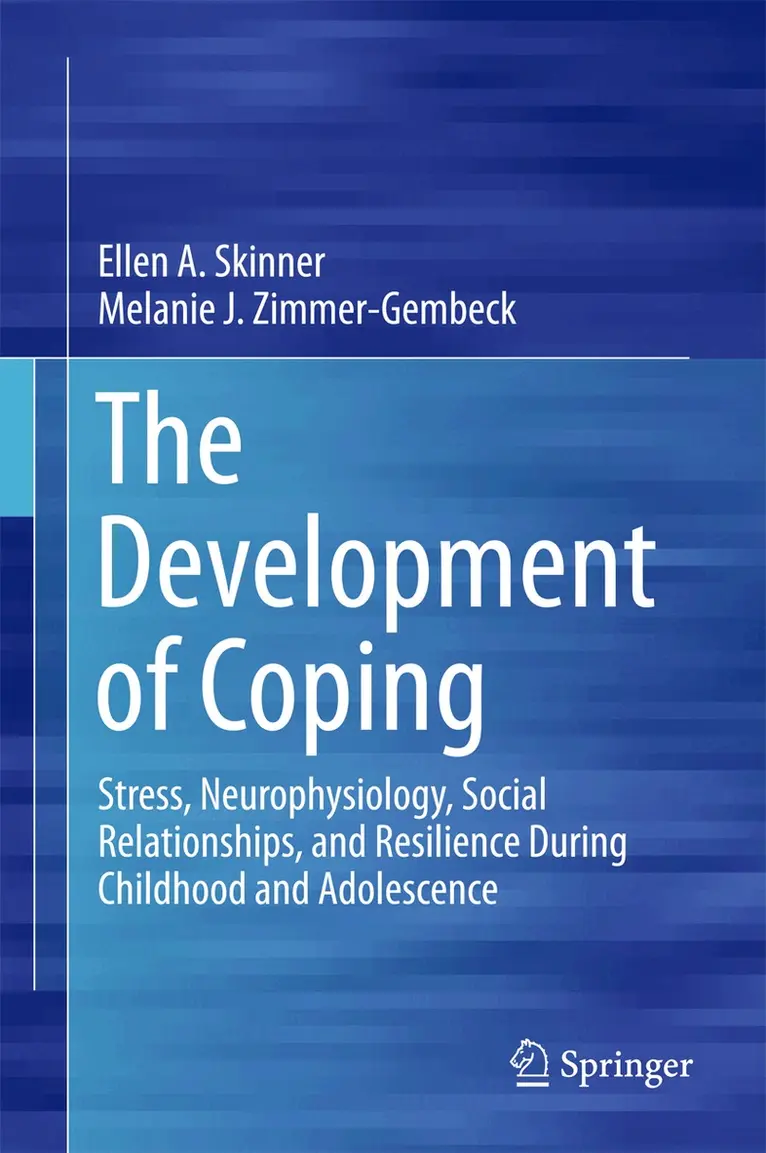
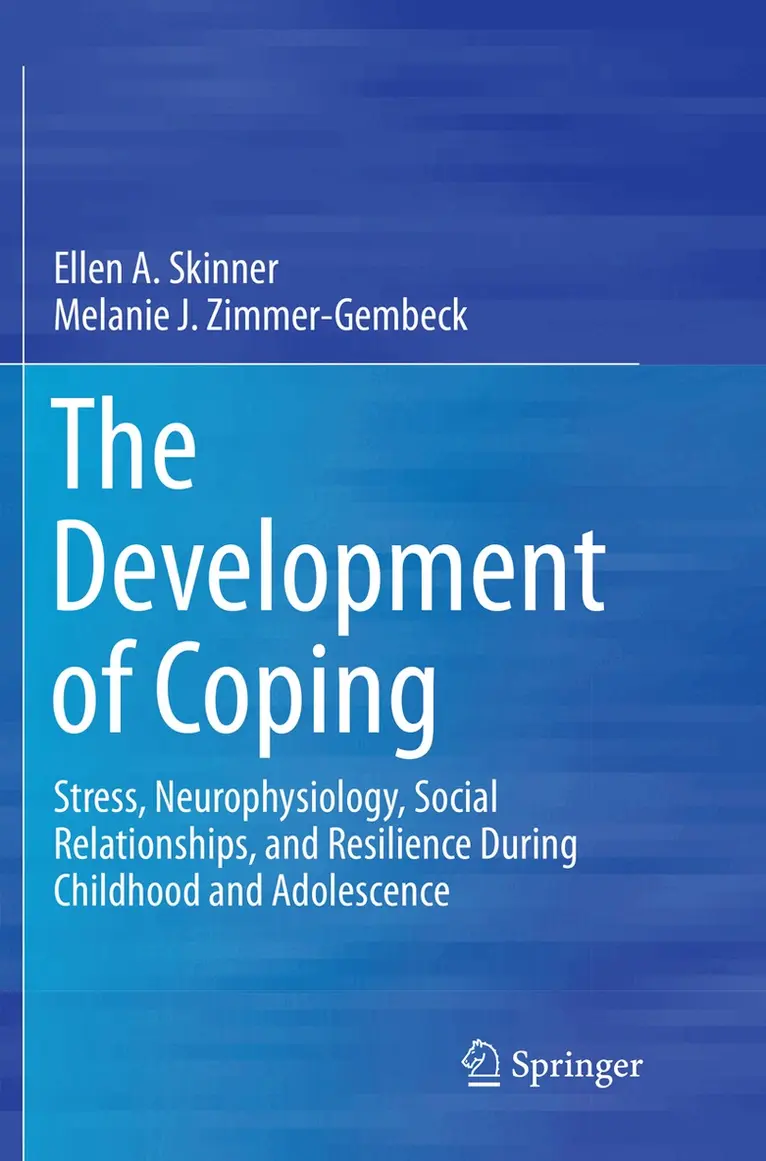
This book traces the development of coping from birth to emerging adulthood by building a conceptual and empirical bridge between coping and the development of regulation and resilience. It offers a comprehensive overview of the challenges facing the developmental study of coping, including the history of the concept, critiques of current coping theories and research, and reviews of age differences and changes in coping during childhood and adolescence. It integrates multiple strands of cutting-edge theory and research, including work on the development of stress neurophysiology, attachment, emotion regulation, and executive functions.In addition, chapters track how coping develops, starting from birth and following its progress across multiple qualitative shifts during childhood and adolescence. The book identifies factors that shape the development of coping, focusing on the effects of underlying neurobiological changes, social relationships, and stressful experiences. Qualitative shifts are emphasized and explanatory factors highlight multiple entry points for the diagnosis of problems and implementation of remedial and preventive interventions.Topics featured in this text include:Developmental conceptualizations of coping, such as action regulation under stress.Neurophysiological developments that underlie age-related shifts in coping.How coping is shaped by early adversity, temperament, and attachment.How parenting and family factors affect the development of coping. The role of coping in the development of psychopathology and resilience.The Development of Coping is a must-have resource for researchers, professors, and graduate students as well as clinicians and related professionals in developmental, clinical child, and school psychology, public health, counseling, personality and social psychology, and neurophysiological psychology as well as prevention and intervention science.
E-bok
PDF, Engelska, 20161 737 kr
Läs direkt efter köp
This book traces the development of coping from birth to emerging adulthood by building a conceptual and empirical bridge between coping and the development of regulation and resilience. It offers a comprehensive overview of the challenges facing the developmental study of coping, including the history of the concept, critiques of current coping theories and research, and reviews of age differences and changes in coping during childhood and adolescence. It integrates multiple strands of cutting-edge theory and research, including work on the development of stress neurophysiology, attachment, emotion regulation, and executive functions.In addition, chapters track how coping develops, starting from birth and following its progress across multiple qualitative shifts during childhood and adolescence. The book identifies factors that shape the development of coping, focusing on the effects of underlying neurobiological changes, social relationships, and stressful experiences. Qualitative shifts are emphasized and explanatory factors highlight multiple entry points for the diagnosis of problems and implementation of remedial and preventive interventions.Topics featured in this text include:Developmental conceptualizations of coping, such as action regulation under stress.Neurophysiological developments that underlie age-related shifts in coping.How coping is shaped by early adversity, temperament, and attachment.How parenting and family factors affect the development of coping. The role of coping in the development of psychopathology and resilience.The Development of Coping is a must-have resource for researchers, professors, and graduate students as well as clinicians and related professionals in developmental, clinical child, and school psychology, public health, counseling, personality and social psychology, and neurophysiological psychology as well as prevention and intervention science.
Häftad, Engelska, 2018
1 457 kr
Skickas inom 10-15 vardagar
This book traces the development of coping from birth to emerging adulthood by building a conceptual and empirical bridge between coping and the development of regulation and resilience. It offers a comprehensive overview of the challenges facing the developmental study of coping, including the history of the concept, critiques of current coping theories and research, and reviews of age differences and changes in coping during childhood and adolescence. It integrates multiple strands of cutting-edge theory and research, including work on the development of stress neurophysiology, attachment, emotion regulation, and executive functions.In addition, chapters track how coping develops, starting from birth and following its progress across multiple qualitative shifts during childhood and adolescence. The book identifies factors that shape the development of coping, focusing on the effects of underlying neurobiological changes, social relationships, and stressful experiences. Qualitative shifts are emphasized and explanatory factors highlight multiple entry points for the diagnosis of problems and implementation of remedial and preventive interventions.Topics featured in this text include:Developmental conceptualizations of coping, such as action regulation under stress.Neurophysiological developments that underlie age-related shifts in coping.How coping is shaped by early adversity, temperament, and attachment.How parenting and family factors affect the development of coping. The role of coping in the development of psychopathology and resilience.The Development of Coping is a must-have resource for researchers, professors, and graduate students as well as clinicians and related professionals in developmental, clinical child, and school psychology, public health, counseling, personality and social psychology, and neurophysiological psychology as well as prevention and intervention science.