Melia Belli Bose - Böcker
Visar alla böcker från författaren Melia Belli Bose. Handla med fri frakt och snabb leverans.
6 produkter
6 produkter
702 kr
Skickas inom 10-15 vardagar
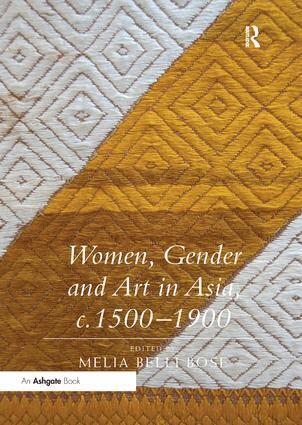
Women, Gender and Art in Asia, c. 1500–1900 brings women's engagements with art into a pan-Asian dialogue with essays that examine women as artists, commissioners, collectors, and subjects from India, Southeast Asia, Tibet, China, Korea, and Japan, from the sixteenth to the early twentieth century. The artistic media includes painting, sculpture, architecture, textiles, and photography. The book is broadly concerned with four salient questions: How unusual was it for women to engage directly with art? What factors precluded more women from doing so? In what ways did women's artwork or commissions differ from those of men? And, what were the range of meanings for woman as subject matter? The chapters deal with historic individuals about whom there is considerable biographical information. Beyond locating these uncommon women within their socio-cultural milieux, contributors consider the multiple strands that twined to comprise their complex identities, and how these impacted their works of art. In many cases, the woman's status-as wife, mother, widow, ruler, or concubine (and multiple combinations thereof), as well as her religion and lineage-determined the media, style, and content of her art. Women, Gender and Art in Asia, c. 1500–1900 adds to our understanding of works of art, their meanings, and functions.
2 301 kr
Skickas inom 10-15 vardagar
Women, Gender and Art in Asia, c. 1500–1900 brings women's engagements with art into a pan-Asian dialogue with essays that examine women as artists, commissioners, collectors, and subjects from India, Southeast Asia, Tibet, China, Korea, and Japan, from the sixteenth to the early twentieth century. The artistic media includes painting, sculpture, architecture, textiles, and photography. The book is broadly concerned with four salient questions: How unusual was it for women to engage directly with art? What factors precluded more women from doing so? In what ways did women's artwork or commissions differ from those of men? And, what were the range of meanings for woman as subject matter? The chapters deal with historic individuals about whom there is considerable biographical information. Beyond locating these uncommon women within their socio-cultural milieux, contributors consider the multiple strands that twined to comprise their complex identities, and how these impacted their works of art. In many cases, the woman's status-as wife, mother, widow, ruler, or concubine (and multiple combinations thereof), as well as her religion and lineage-determined the media, style, and content of her art. Women, Gender and Art in Asia, c. 1500–1900 adds to our understanding of works of art, their meanings, and functions.
Threads of Globalization
Fashion, Textiles, and Gender in Asia in the Long Twentieth Century
Inbunden, Engelska, 2024
1 271 kr
Skickas inom 5-8 vardagar
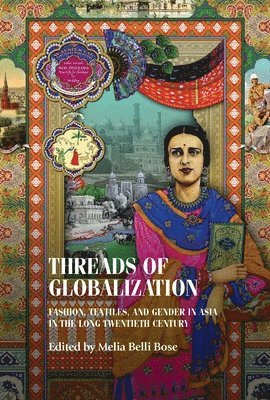
Threads of globalization is an interdisciplinary volume that brings fashion-specific garments, motifs, materials, and methods of production into dialogue with gender and identity in various cultures throughout Asia during the long twentieth century. It examines how the shift from artisanal production to 'fast fashion' over the past 150 years has devalued women’s textile labour and how skilled textile/ garment makers and the organizations that support them are preserving and reviving heritage traditions. It also offers examples of how socially engaged artists in Asia and the diaspora use their work to criticize labour and environmental abuses in the global fashion industry.
Threads of Globalization
Fashion, Textiles, and Gender in Asia in the Long Twentieth Century
Häftad, Engelska, 2026
434 kr
Skickas inom 5-8 vardagar
Threads of globalization is an interdisciplinary volume that brings fashion-specific garments, motifs, materials, and methods of production into dialogue with gender and identity in various cultures throughout Asia during the long twentieth century. It examines how the shift from artisanal production to 'fast fashion' over the past 150 years has devalued women’s textile labour and how skilled textile/ garment makers and the organizations that support them are preserving and reviving heritage traditions. It also offers examples of how socially engaged artists in Asia and the diaspora use their work to criticize labour and environmental abuses in the global fashion industry.
688 kr
Skickas inom 7-10 vardagar
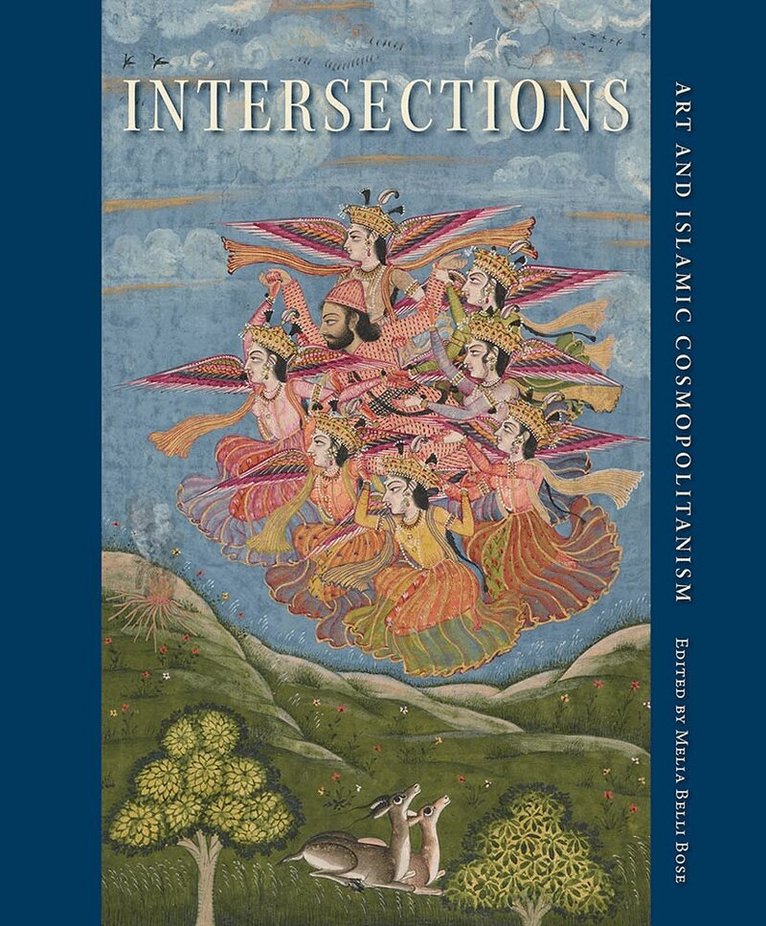
This richly illustrated volume highlights the history of Islamic cosmopolitanism as documented through works of art from the eighth century to the present; from the Mediterranean, North Africa, South Asia, and the United States; and including painting, architecture, textiles, calligraphy, photography, and animation. These essays examine Muslim artists, patrons, and collectors' engagement with global influences, as well as artistic exchange between Muslim and non-Muslim societies.Drawing on Kwame Anthony Appiah's view of cosmopolitanism as respect for the differences among people and acknowledgment of a shared community across those differences, leading scholars offer case studies of art objects that illustrate such dynamics in the Islamic cultural sphere. In doing so, they bring Islamic art history into dialogue with Western European medieval art, Byzantine art, African art, global modern art, and American art and architecture. This timely volume demonstrates the importance of cultivating coexistence, becoming citizens of the world, and recognizing the possibilities of cultural intersections. It offers historical examples of such intersections, for which works of art provide a visual testament.
Del 48 - Brill's Indological Library
Royal Umbrellas of Stone: Memory, Politics, and Public Identity in Rajput Funerary Art
Inbunden, Engelska, 2015
2 223 kr
Skickas inom 5-8 vardagar
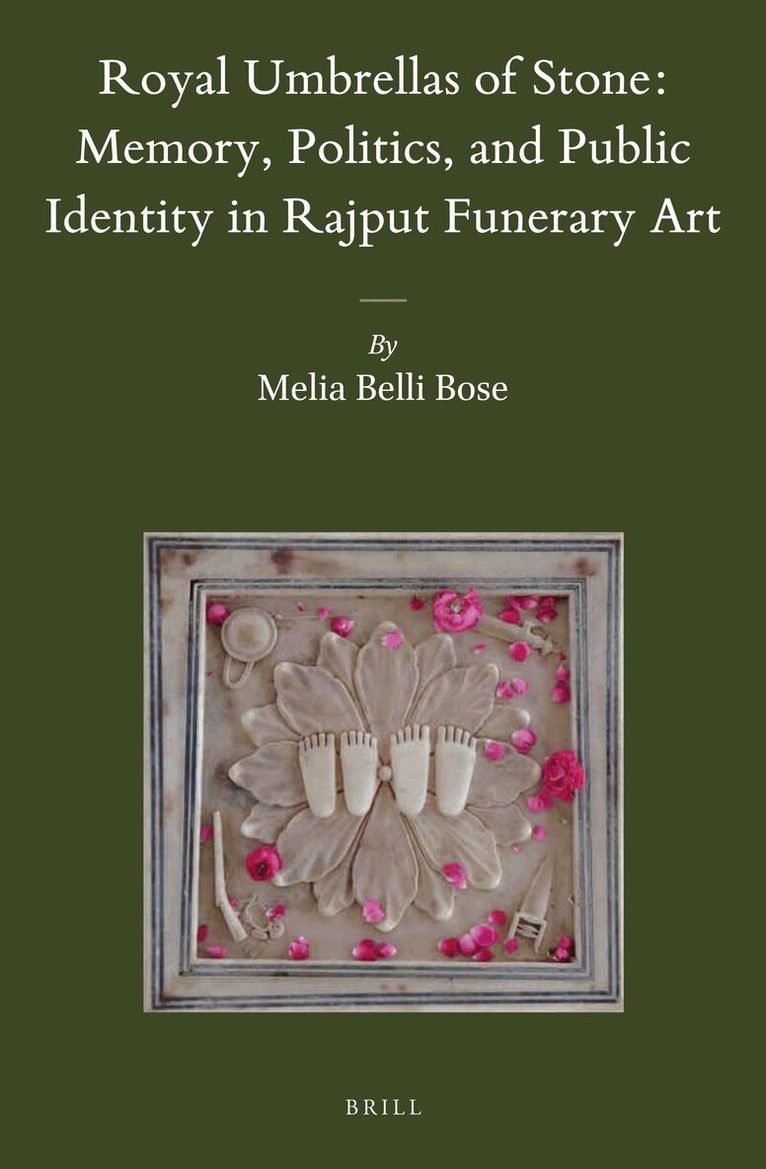
In Royal Umbrellas of Stone: Memory, Politics, and Public Identity in Rajput Funerary Art, Melia Belli Bose provides the first analysis of Rajput chatrīs ("umbrellas"; cenotaphs) built between the sixteenth to early-twentieth centuries. New kings constructed chatrīs for their late fathers as statements of legitimacy. During periods of political upheaval patrons introduced new forms and decorations to respond to current events and evoke a particular past. Offering detailed analyses of individual cenotaphs and engaging with art historical and epigraphic evidence, as well as ethnography and ritual, this book locates the chatrīs within their original social, political, and religious milieux. It also compares the chatrīs to other Rajput arts to understand how arts of different media targeted specific audiences.