Melissa Bailes – Författare
Visar alla böcker från författaren Melissa Bailes. Handla med fri frakt och snabb leverans.
5 produkter
5 produkter
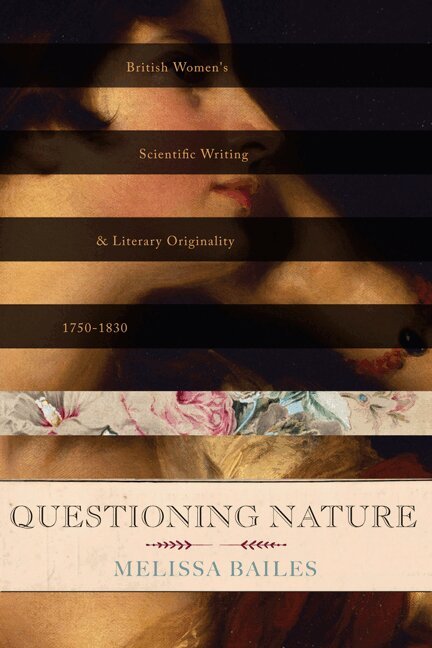
Questioning Nature
British Women's Scientific Writing and Literary Originality, 1750-1830
Inbunden, Engelska, 2017
645 kr
Skickas inom 7-10 vardagar
In the mid-eighteenth century, many British authors and literary criticsanxiously claimed that poetry was in crisis. These writers complained that modern poets plagiarized classical authors as well as one another, asserted that no new subjects for verse remained, and feared poetry's complete exhaustion. Questioning Nature explores how major women writers of the era- including Mary Shelley, Anna Barbauld, and Charlotte Smith- turned in response to developing disciplines of natural history such as botany, zoology, and geology.Recognizing the sociological implications of inquiries in the natural sciences, these authors renovated notions of originality through natural history while engaging with questions of the day. Classifications, hierarchies, and definitions inherent in natural history were appropriated into discussions of gender, race, and nation. Further, their concerns with authorship, authority, and novelty led them to experiment with textual hybridities and collaborative modes of originality that competed with conventional ideas of solitary genius.Exploring these authors and their work, QuestioningNature explains how these women writers' imaginative scientific writing unveiled a new genealogy for Romantic originality, both shaping the literary canon and ultimately leading to their exclusion from it.
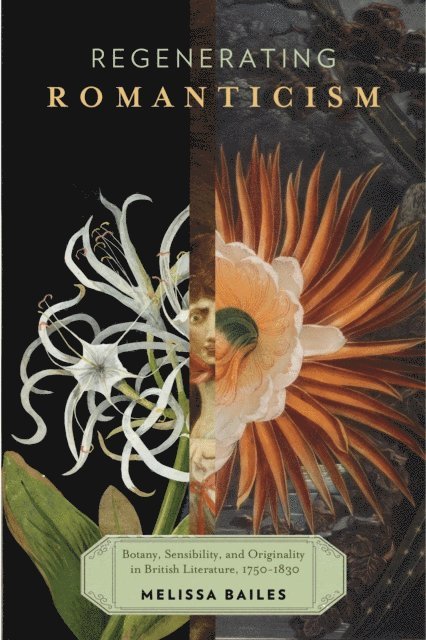
Regenerating Romanticism
Botany, Sensibility, and Originality in British Literature, 1750–1830
Inbunden, Engelska, 2023
1 423 kr
Skickas inom 10-15 vardagar
Within key texts of Romanticic-era aesthetics, William Wordsworth, S. T. Coleridge, and other writers and theorists pointed to the poet, naturalist, and physician Erasmus Darwin as exemplifying a lack of originality and sensibility in the period’s scientific literature--the very qualities that such literature had actually sought to achieve. The success of this strawman tactic in establishing Romantic-era principles resulted in the historical devaluation of numerous other, especially female, imaginative authors, creating misunderstandings about the aesthetic intentions of the period’s scientific literature that continue to hinder and mislead scholars even today.Regenerating Romanticism demonstrates that such strategies enabled some literary critics and arbiters of Romantic-era aesthetics to portray literature and science as locked in competition with one another while also establishing standards for the literary canon that mirrored developing ideas of scientific or biological sexism and racism. With this groundbreaking study, Melissa Bailes renovates understandings of sensibility and its importance to the late eighteenth- and early nineteenth-century movement of scientific literature within genres such as poetry, novels, travel writing, children’s literature that obviously and technically engage with the natural sciences.
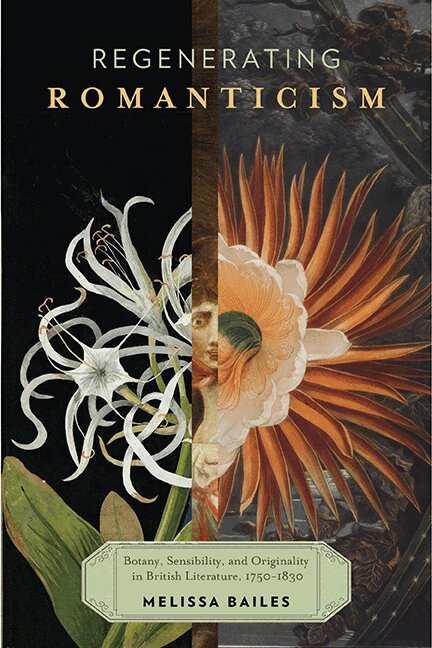
Regenerating Romanticism
Botany, Sensibility, and Originality in British Literature, 1750–1830
Häftad, Engelska, 2023
392 kr
Skickas inom 10-15 vardagar
Within key texts of Romanticic-era aesthetics, William Wordsworth, S. T. Coleridge, and other writers and theorists pointed to the poet, naturalist, and physician Erasmus Darwin as exemplifying a lack of originality and sensibility in the period’s scientific literature--the very qualities that such literature had actually sought to achieve. The success of this strawman tactic in establishing Romantic-era principles resulted in the historical devaluation of numerous other, especially female, imaginative authors, creating misunderstandings about the aesthetic intentions of the period’s scientific literature that continue to hinder and mislead scholars even today.Regenerating Romanticism demonstrates that such strategies enabled some literary critics and arbiters of Romantic-era aesthetics to portray literature and science as locked in competition with one another while also establishing standards for the literary canon that mirrored developing ideas of scientific or biological sexism and racism. With this groundbreaking study, Melissa Bailes renovates understandings of sensibility and its importance to the late eighteenth- and early nineteenth-century movement of scientific literature within genres such as poetry, novels, travel writing, children’s literature that obviously and technically engage with the natural sciences.
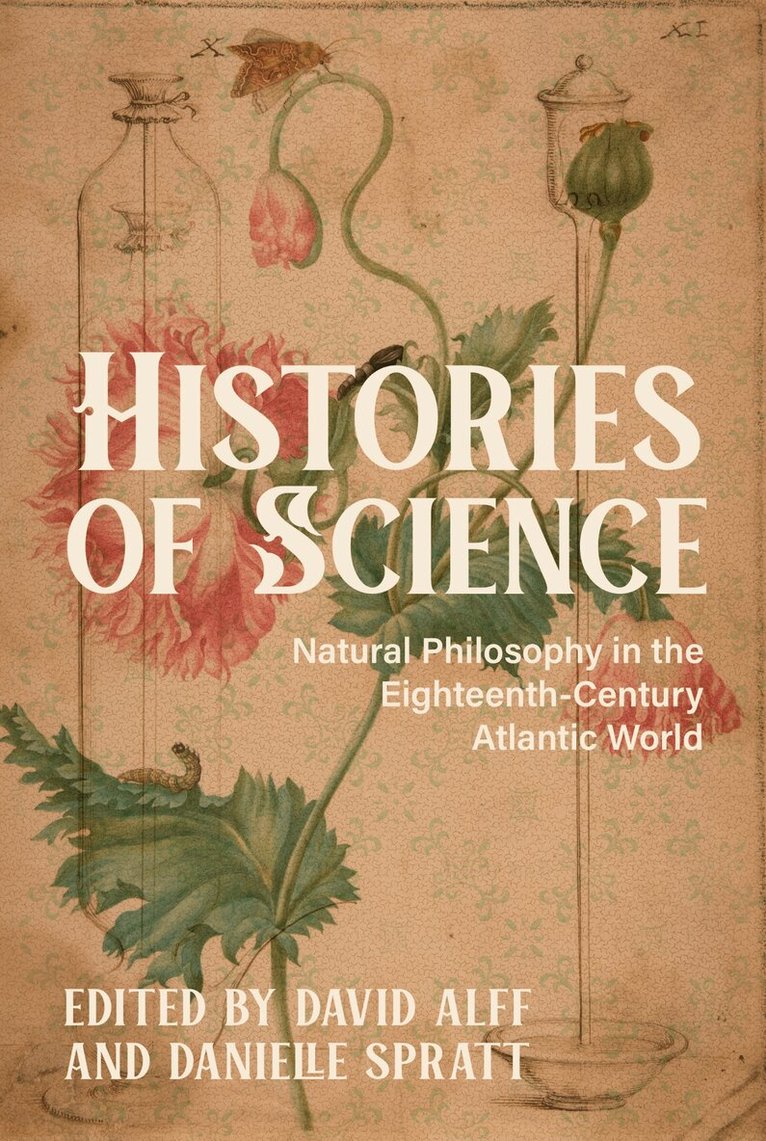
Histories of Science
Natural Philosophy in the Eighteenth-Century Atlantic World
Inbunden, Engelska, 2025
1 484 kr
Skickas inom 10-15 vardagar
Spreading the news of scientific breakthroughs in the eighteenth centuryHistories of Science shows how different forms of media communicated scientific breakthroughs during the long eighteenth century, bringing together eighteen humanities scholars to discuss the representation, reception, and application of natural philosophy in the Atlantic world. In particular, the authors focus on descriptions of scientific discoveries in popular print, with essays on topics as varied as placebo pills, irrigation systems, and navigational technology. And while each contributor advances a discrete argument, the collection coheres in its shared questions of methodology, historicity, and ethics. Histories of Science expands our record of the past, our understanding of the present, and our ability to imagine the future.
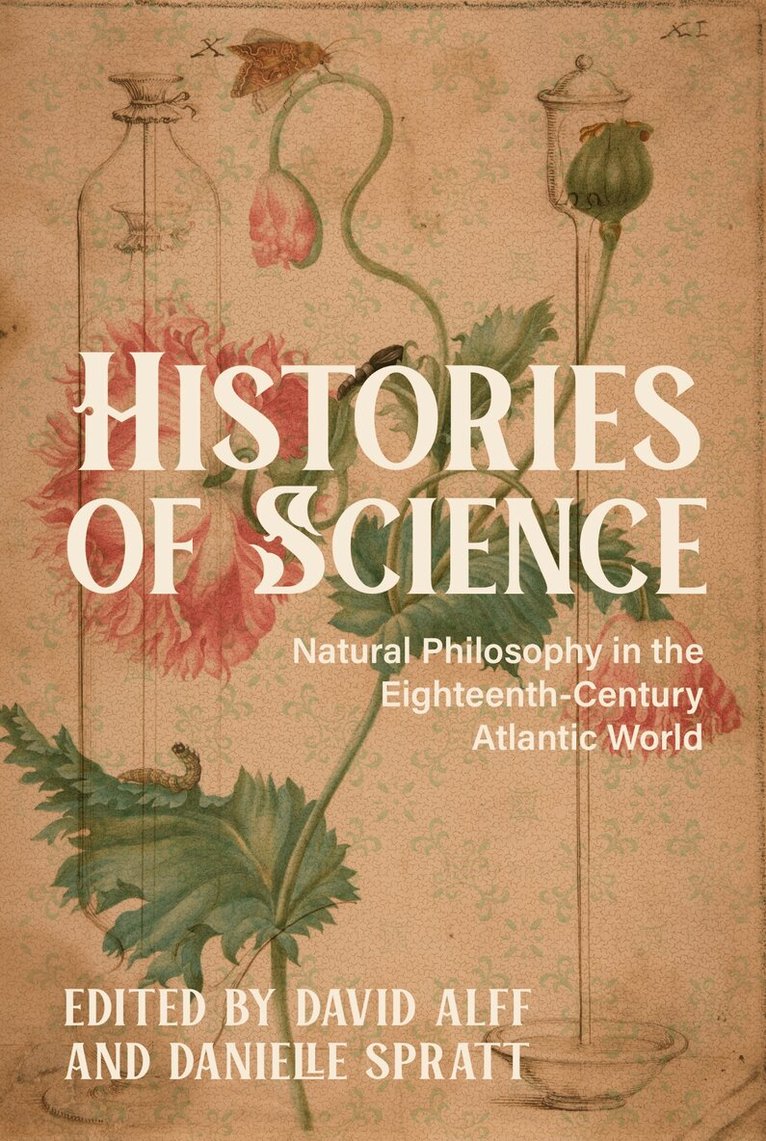
Histories of Science
Natural Philosophy in the Eighteenth-Century Atlantic World
Häftad, Engelska, 2025
469 kr
Skickas inom 10-15 vardagar
Spreading the news of scientific breakthroughs in the eighteenth centuryHistories of Science shows how different forms of media communicated scientific breakthroughs during the long eighteenth century, bringing together eighteen humanities scholars to discuss the representation, reception, and application of natural philosophy in the Atlantic world. In particular, the authors focus on descriptions of scientific discoveries in popular print, with essays on topics as varied as placebo pills, irrigation systems, and navigational technology. And while each contributor advances a discrete argument, the collection coheres in its shared questions of methodology, historicity, and ethics. Histories of Science expands our record of the past, our understanding of the present, and our ability to imagine the future.