Melissa De Fino - Böcker
Visar alla böcker från författaren Melissa De Fino. Handla med fri frakt och snabb leverans.
4 produkter
4 produkter
994 kr
Skickas inom 10-15 vardagar
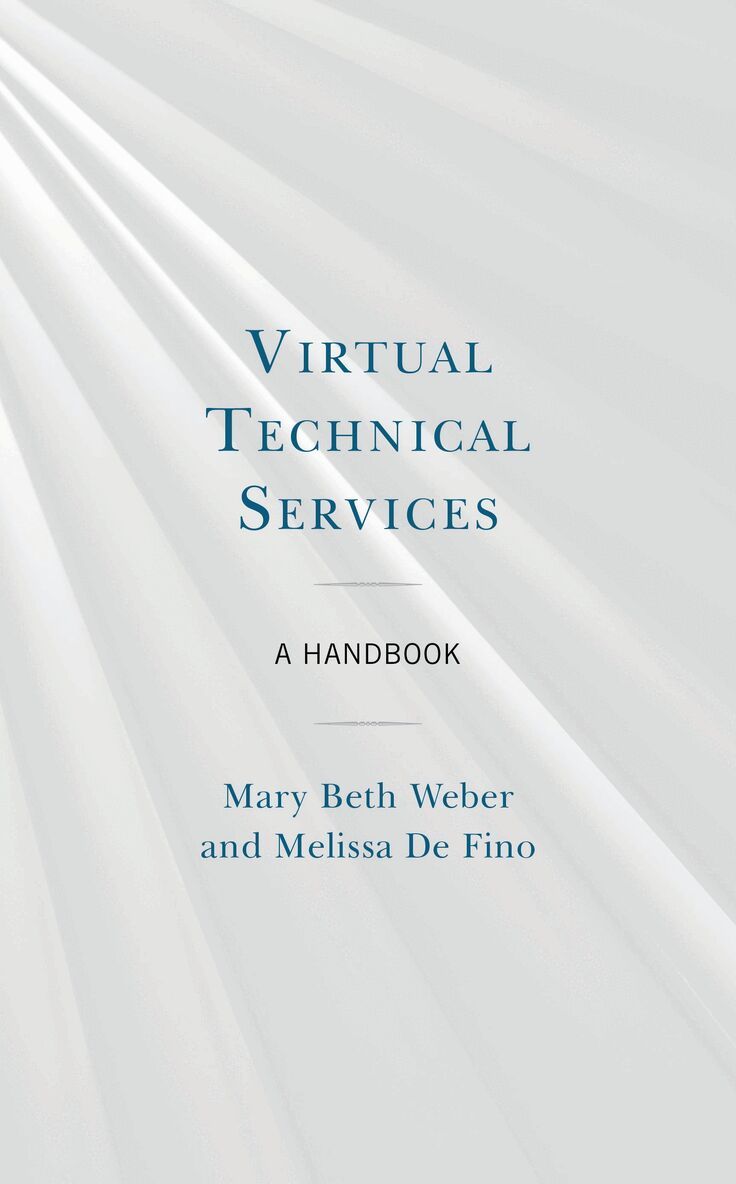
Prior to the COVID pandemic, there was little published information to guide technical services operations on how to deal with crises and emergencies. Viewed as a backroom operation by administration, little thought historically has been given to how these employees might protect equipment and resources and continue to provide services that seamlessly support the rest of the library. Virtual Technical Services: A Handbook is the first to address emergency and crisis planning specifically for technical services. The authors address how to create an emergency plan and how to prepare for an uncertain future that will undoubtedly include other threats to our health and safety. We discuss how the pivot to remote work can revolutionize technical services librarianship and allow us to better serve the needs of a 21st Century library.As the WFH period extended longer than anticipated, libraries and other organizations realized both the challenges and benefits of working remotely. WFH is about more than just doing one’s job, and we focus on employees as individuals with needs that include work/life balance, self-care, and the flexibility to meet life circumstances including childcare, eldercare, and appointments. A unique feature of our book is the focus on employee well-being, including burnout and self-care. Prior to COVID-19, employee well-being was typically not emphasized as part of personnel management. The risks to our health and safety and being removed from the physical workplace provided the opportunity to re-examine priorities and reframe them to forge a stronger and more collaborative relationship between employers and employees. Technical services personnel, in particular, are subject to burnout as their operations are frequently understaffed and they face competing demands of serving both libraries’ physical needs and supporting electronic and digital resources. Management in a remote work environment has challenges that are not present in an on-site operation. Communication, setting expectations, and documentation and training take on added significance when WFH, as does accountability. Our book addresses these aspects of management through a WFH lens. The book also covers the return to work after a shift to remote, whether it is completely on-site, hybrid, or some combination. Normalization, determining staffing levels, employee accommodations, and an adjustment period are discussed. Since most technical services personnel have not previously had to pivot to remote on short notice and for an extended period, the book addresses these issues for libraries as they make decisions about repopulating their workplaces.
507 kr
Skickas inom 10-15 vardagar
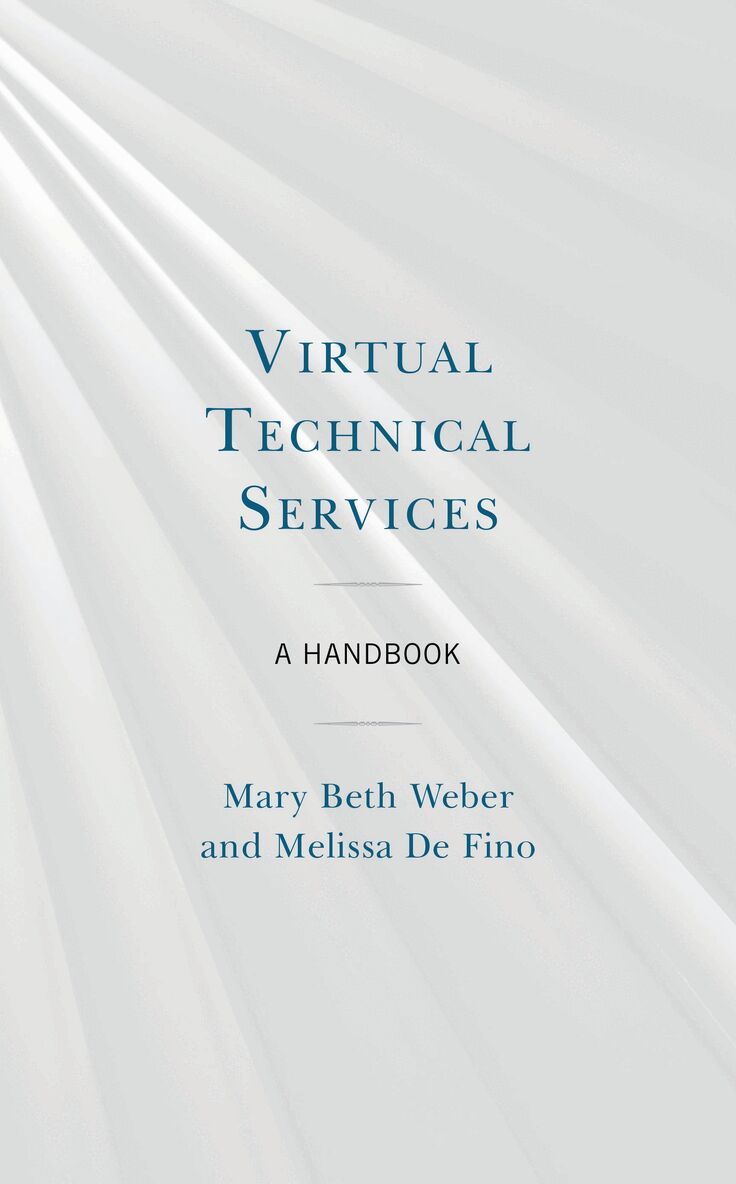
Prior to the COVID pandemic, there was little published information to guide technical services operations on how to deal with crises and emergencies. Viewed as a backroom operation by administration, little thought historically has been given to how these employees might protect equipment and resources and continue to provide services that seamlessly support the rest of the library. Virtual Technical Services: A Handbook is the first to address emergency and crisis planning specifically for technical services. The authors address how to create an emergency plan and how to prepare for an uncertain future that will undoubtedly include other threats to our health and safety. We discuss how the pivot to remote work can revolutionize technical services librarianship and allow us to better serve the needs of a 21st Century library.As the WFH period extended longer than anticipated, libraries and other organizations realized both the challenges and benefits of working remotely. WFH is about more than just doing one’s job, and we focus on employees as individuals with needs that include work/life balance, self-care, and the flexibility to meet life circumstances including childcare, eldercare, and appointments. A unique feature of our book is the focus on employee well-being, including burnout and self-care. Prior to COVID-19, employee well-being was typically not emphasized as part of personnel management. The risks to our health and safety and being removed from the physical workplace provided the opportunity to re-examine priorities and reframe them to forge a stronger and more collaborative relationship between employers and employees. Technical services personnel, in particular, are subject to burnout as their operations are frequently understaffed and they face competing demands of serving both libraries’ physical needs and supporting electronic and digital resources. Management in a remote work environment has challenges that are not present in an on-site operation. Communication, setting expectations, and documentation and training take on added significance when WFH, as does accountability. Our book addresses these aspects of management through a WFH lens. The book also covers the return to work after a shift to remote, whether it is completely on-site, hybrid, or some combination. Normalization, determining staffing levels, employee accommodations, and an adjustment period are discussed. Since most technical services personnel have not previously had to pivot to remote on short notice and for an extended period, the book addresses these issues for libraries as they make decisions about repopulating their workplaces.
929 kr
Skickas inom 10-15 vardagar
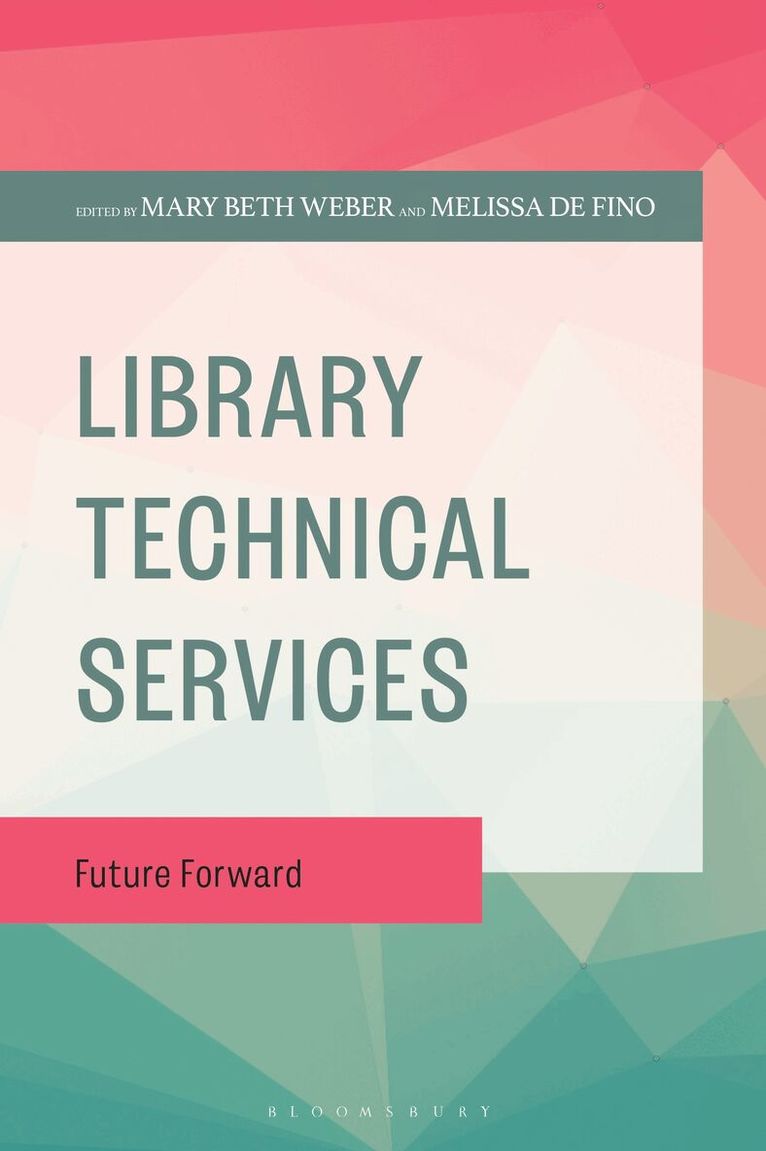
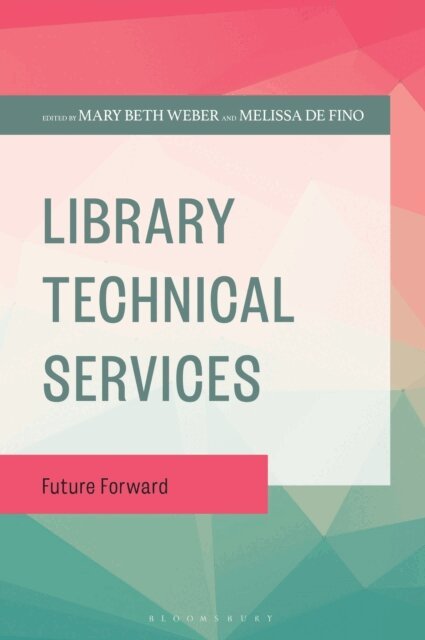
This book takes a look at the future of technical services post-pandemic and at the brink of technological disruptions through a diversity, equity, inclusion, and accessibility lens.Libraries have undergone a tremendous transformation that has been driven by multiple factors that include technological developments, and societal impacts such as declining college enrollment and the aftermath of the COVID-19 pandemic, which has introduced changes to how technical services professionals work and provide services. Whereas the library is often perceived by users as a building to house print books and journals, the reality is that the library encompasses both physical and virtual spaces. For many users, the library’s online catalog and website are their first (and perhaps only) experience with the library. Our user community is global, and technical services work has evolved to serve users with a growing array of electronic resources, including e-books, databases, and e-journals. These resources differ from their print counterparts in that they cost more, require licenses and contracts that must continually need to be renegotiated and renewed, must comply with accessibility standrards, and require different skill sets to catalog. The virtual spaces and services libraries provide are built on the foundation provided by technical services librarians. Assessment is an important, yet often overlooked, aspect of technical services work, and is addressed in this book. It is critical for collection development and acquisition of electronic resources. It is also an important component of the work of electronic resources librarians, who monitor usage and trends. Developing an appropriate skill set for technical services work is essential for success. This includes knowing the standards for the work performed, awareness of emerging standards, and remaining relevant.
304 kr
Skickas inom 7-10 vardagar
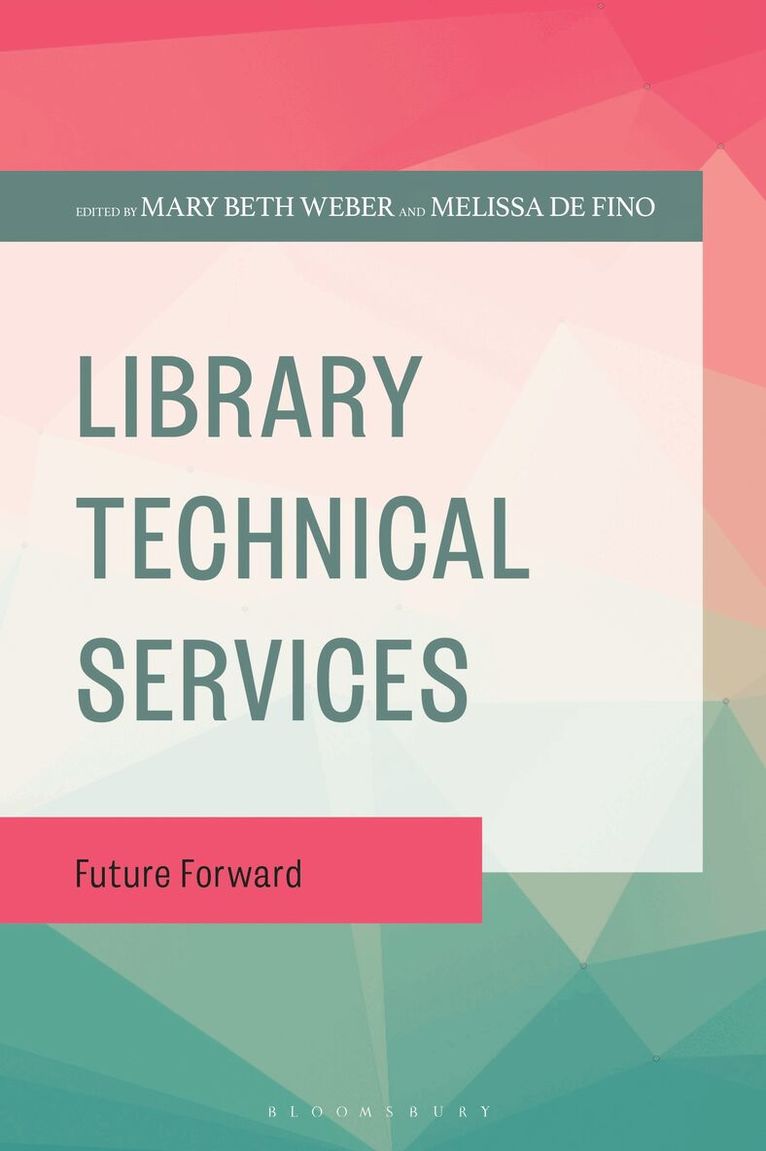
This book takes a look at the future of technical services post-pandemic and at the brink of technological disruptions through a diversity, equity, inclusion, and accessibility lens.Libraries have undergone a tremendous transformation that has been driven by multiple factors that include technological developments, and societal impacts such as declining college enrollment and the aftermath of the COVID-19 pandemic, which has introduced changes to how technical services professionals work and provide services. Whereas the library is often perceived by users as a building to house print books and journals, the reality is that the library encompasses both physical and virtual spaces. For many users, the library’s online catalog and website are their first (and perhaps only) experience with the library. Our user community is global, and technical services work has evolved to serve users with a growing array of electronic resources, including e-books, databases, and e-journals. These resources differ from their print counterparts in that they cost more, require licenses and contracts that must continually need to be renegotiated and renewed, must comply with accessibility standrards, and require different skill sets to catalog. The virtual spaces and services libraries provide are built on the foundation provided by technical services librarians. Assessment is an important, yet often overlooked, aspect of technical services work, and is addressed in this book. It is critical for collection development and acquisition of electronic resources. It is also an important component of the work of electronic resources librarians, who monitor usage and trends. Developing an appropriate skill set for technical services work is essential for success. This includes knowing the standards for the work performed, awareness of emerging standards, and remaining relevant.