Menachem Lorberbaum – författare
Visar alla böcker från författaren Menachem Lorberbaum. Handla med fri frakt och snabb leverans.
4 produkter
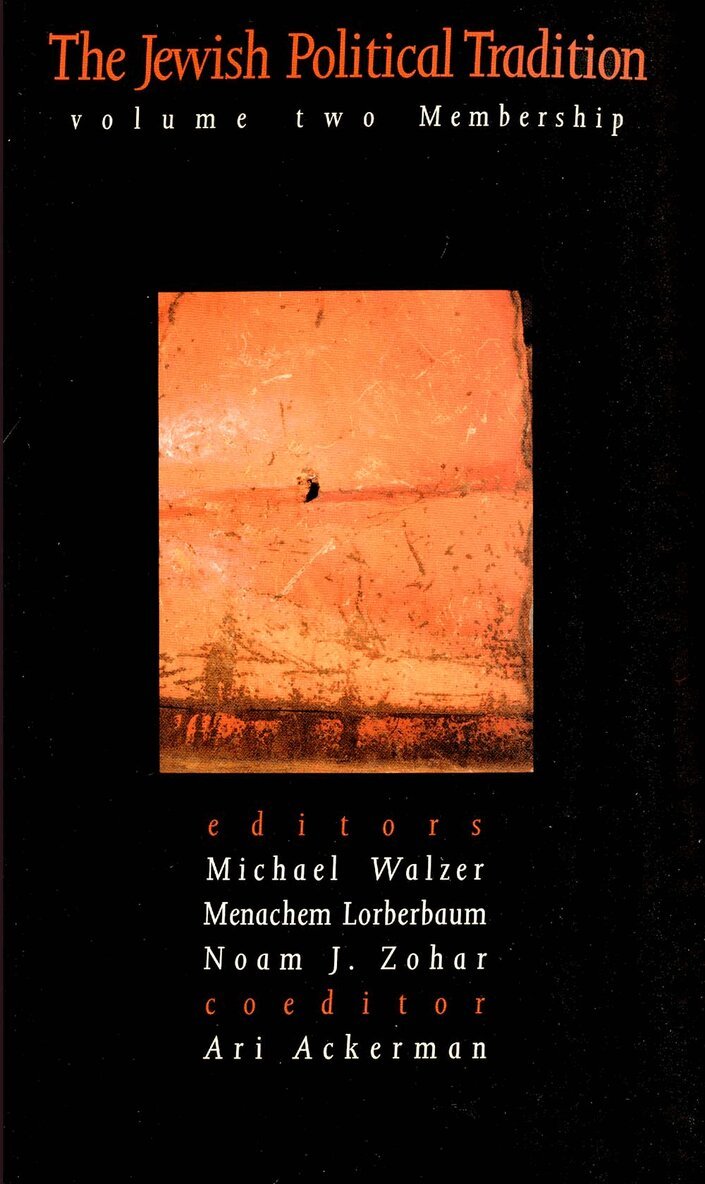
Jewish Political Tradition
Volume II: Membership
Av Michael Walzer, Menachem Lorberbaum m. fl.
Häftad, 2006
895 kr
Lägg i varukorg
“The series to which this book belongs is unprecedented. . . . Every one of the chapters enacts a debate that should have a living resonance, not just for Jews, although obviously for them, but for everyone with a historical sense and a political conscience.”—Hilary Putnam, Boston Review“A vast and …
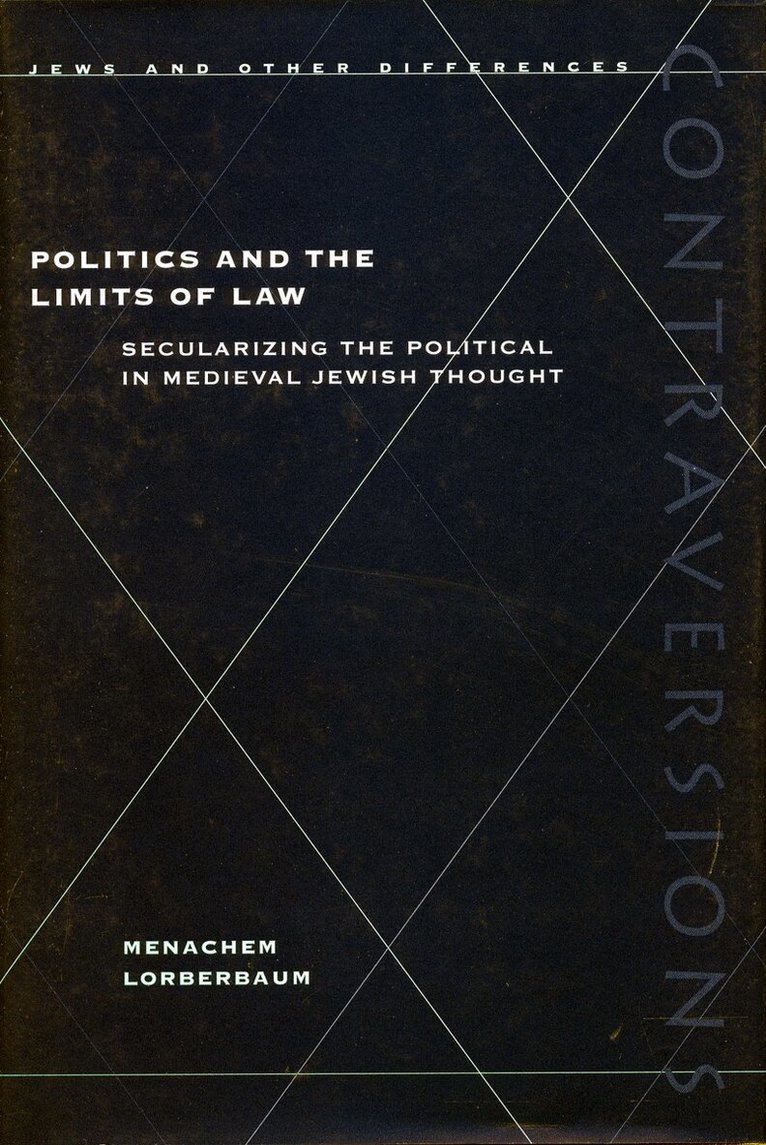
Politics and the Limits of Law
Secularizing the Political in Medieval Jewish Thought
Inbunden, 2002
854 kr
Lägg i varukorg
This book explores the emergence of the fundamental political concepts of medieval Jewish thought, arguing that alongside the well known theocratic elements of the Bible there exists a vital tradition that conceives of politics as a necessary and legitimate domain of worldly activity that preceded …
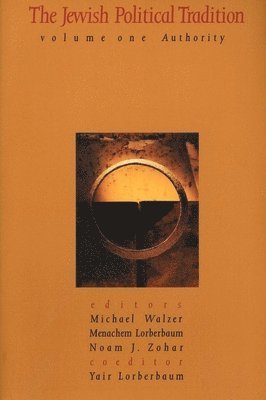
Jewish Political Tradition
Volume I: Authority
Av Michael Walzer, Menachem Lorberbaum m. fl.
Häftad, 2003
450 kr
Tillfälligt slut
This book launches a landmark four-volume collaborative work exploring the political thought of the Jewish people from biblical times to the present. Each volume includes a selection of texts—from the Bible and Talmud, midrashic literature, legal responsa, treatises, and pamphlets—annotated for …
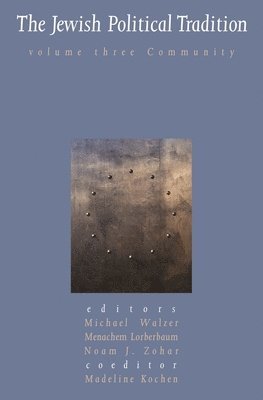
Jewish Political Tradition
Volume III: Community
Av Michael Walzer, Menachem Lorberbaum m. fl.
Inbunden, 2018
594 kr
Tillfälligt slut
The third of four volumes in a distinguished series, this volume includes chapters on the nature of the communal bond, marriage and family, welfare, taxation, government, and criminal justiceThe four-volume series on the Jewish political tradition that includes this volume seeks to connect the …